
Areas we serve · Tarzana, CA
Rehab for the San Fernando Valley and the Westside.
Lumora sits on a quiet residential street in Tarzana, in the southwest San Fernando Valley. For families in Encino, Woodland Hills, Sherman Oaks, Calabasas and across the 405 on the Westside, help is a short drive from home.
Areas We Serve
Lumora Recovery is a small residential detox and treatment house at 6130 Wilbur Ave in Tarzana. Without traffic it is about seven minutes by car from Woodland Hills, eight from Encino, ten from Sherman Oaks, eleven from Calabasas, and 22 to 26 minutes from the Westside over the 405.
Where Lumora is, and who it is close to
Lumora is in Tarzana, in the southwest corner of the San Fernando Valley. The house is on Wilbur Avenue, between Erwin Street and Oxnard Street, north of the 101 and Ventura Boulevard. That puts it a few minutes from the rest of the West Valley and within half an hour of the Westside on a clear road.
The care is the same wherever someone is coming from: medical detox when it is needed, leading into residential treatment in the same house, without a transfer. What changes from one neighborhood to the next is the drive, and the people and places the plan for afterward has to fit around. The distances are real routes, measured from the front door.
At a glance
- Woodland Hills
- About 7 min 4.2 miles, by the 101
- Encino
- About 8 min 4.5 miles, by the 101
- Sherman Oaks
- About 10 min 6.1 miles, by the 101
- Calabasas
- About 11 min 6.9 miles, by the 101
- Westwood
- About 22 min 13.9 miles, by the 405
- Santa Monica
- About 26 min 18.7 miles, by the 10 and the 405
Drive times
How long is the drive to Lumora from each area?
The drive to Lumora takes under 15 minutes from most of the West Valley without traffic, and about 22 to 26 minutes from the Westside. Each figure is a free-flow estimate from a public routing service, measured from a central point in each area to the front door at 6130 Wilbur Avenue.
| Starting point | Distance | Time without traffic | Usual route |
|---|---|---|---|
| Tarzana, Ventura Blvd at Reseda Blvd | 1.3 miles | About 3 minutes | Surface streets north to Wilbur Avenue |
| Woodland Hills, Ventura Blvd at Topanga Canyon Blvd | 4.2 miles | About 7 minutes | The 101 east, off at Tampa Avenue |
| Encino, Ventura Blvd near Balboa Blvd | 4.5 miles | About 8 minutes | Burbank Blvd to the 101 west, then Oxnard Street |
| Northridge, near CSUN | 4.6 miles | About 10 minutes | South on Reseda Blvd, west on Roscoe Blvd, then Wilbur Avenue |
| Sherman Oaks, Ventura Blvd at Sepulveda Blvd | 6.1 miles | About 10 minutes | The 101 west, then Oxnard Street |
| Van Nuys, civic center | 6.0 miles | About 12 minutes | West along Victory Blvd |
| Calabasas, near Calabasas Road and the 101 | 6.9 miles | About 11 minutes | The 101 east through Woodland Hills, off at Tampa Avenue |
| Studio City, Ventura Blvd | 10.3 miles | About 15 minutes | Laurel Canyon Blvd to the 101 west |
| North Hollywood, Lankershim Blvd | 11.5 miles | About 16 minutes | Tujunga Avenue to the 101 west |
| Brentwood, San Vicente Blvd | 13.6 miles | About 22 minutes | Sunset Blvd to the 405 north over the Sepulveda Pass, then the 101 west |
| Westwood, near UCLA | 13.9 miles | About 22 minutes | Sunset Blvd to the 405 north, then the 101 west |
| Beverly Hills, civic center | 16.6 miles | About 26 minutes | Wilshire Blvd to the 405 north, then the 101 west |
| Santa Monica, Main Street | 18.7 miles | About 26 minutes | The 10 east to the 405 north, then the 101 west |
Measured in October 2026 with the OpenStreetMap-based OSRM router from points geocoded by the US Census Bureau. The router assumes free-flowing traffic. Weekday rush hours on the 405 and the 101 can lengthen these drives considerably, so check a live map before you set out.
Two roads do most of the work. The 101, the Ventura Freeway, runs east to west along the southern edge of the Valley, and every West Valley neighborhood from Calabasas to Sherman Oaks sits within a few minutes of it. Ventura Boulevard runs alongside it, through Studio City, Sherman Oaks, Encino, Tarzana and Woodland Hills, and is the slower, surface-street way to make the same trip. From the Westside, the 405 climbs north through the Sepulveda Pass and meets the 101 at the Sherman Oaks interchange, about six miles east of the house.
Area by area
What does getting to Lumora look like from your neighborhood?
From most of the San Fernando Valley, getting to Lumora means a short run on the 101 or along Ventura Boulevard; from the Westside, it means the 405 north over the hill. Here is what each trip involves.
Tarzana
For a family already in Tarzana, the house is a few minutes away on local streets, and Ventura Boulevard is about a mile to the south. Help this close means treatment can begin without leaving the part of town a family knows.
Encino
Encino is the next neighborhood east. From Ventura Boulevard near Balboa, the 101 west reaches Tarzana in a few minutes, and Burbank Boulevard runs parallel to it, north of the freeway. Encino and Tarzana share the same stretch of the Valley, so the doctors, pharmacies and meetings a person already knows usually stay within easy reach after the stay.
Woodland Hills
Woodland Hills lies just west, along the 101 and Ventura Boulevard toward Topanga Canyon Boulevard. It is one of the shortest drives to the house, about seven minutes without traffic. Families in Warner Center, north of the freeway, can come east along Victory Boulevard instead.
Sherman Oaks
From Sherman Oaks the trip runs west on the 101 past Encino, about six miles from Ventura and Sepulveda. It is also the point where the 405 meets the 101, so Sherman Oaks traffic sets the pace for anyone driving in from the Westside.
Calabasas
Calabasas is its own city, west of Woodland Hills at the edge of the Santa Monica Mountains. The 101 runs straight through it to Tarzana in about eleven minutes on a clear road. For a family in Calabasas, Lumora is close to home and still a step away from the streets someone uses every day.
The wider San Fernando Valley
North and east of Tarzana, the drive grows only a little. Northridge is about ten minutes up Reseda Boulevard, Van Nuys about twelve along Victory Boulevard, and Studio City and North Hollywood fifteen or sixteen minutes west on the 101 without traffic.
The Westside
Brentwood, Westwood, Santa Monica and Beverly Hills sit on the other side of the Santa Monica Mountains. On a clear road the 405 brings each of them to Tarzana in 22 to 26 minutes, which places treatment within reach but outside the neighborhood where life usually happens. For some families, that small distance is exactly what they want.
Privacy
How private is treatment so close to home?
Treatment at Lumora is private: the house sits on a quiet residential street, the call to admissions is confidential, and visits happen only by arrangement.
Many families worry about being seen by neighbors, colleagues or the parents at school. Lumora feels like a private home rather than a clinic, and it is a small household. You can call on behalf of someone you love, and the conversation stays confidential.
If privacy is the main reason a family is thinking about treatment far away, it is worth asking each program the same questions: who will know, what is shared and with whom, and how visits are handled. Those answers matter more than the mileage.
At Lumora
Rehab in the San Fernando Valley: the house in Tarzana
Lumora is a small, private house where someone can get through withdrawal and then begin treatment under the same roof. Our overview of medical detox, and when a hospital should come first, explains the first stage, and the next is set out in what a residential stay at Lumora involves.
Every admission starts with a confidential call and an assessment, which decides whether residential care at Lumora fits or another setting would serve the person better. You can read how the first call and the assessment work, or find the address, phone and email in one place.
Where we are
On a quiet residential street in Tarzana.
Lumora Recovery6130 Wilbur Ave
Tarzana, CA 91335
(818) 422-7772 · info@lumorarecovery.com
Tarzana sits in the southwest San Fernando Valley, close to the 101 and Ventura Boulevard. Please call before visiting so we can protect the privacy of the people in our care.
Get directions (opens Google Maps in a new tab)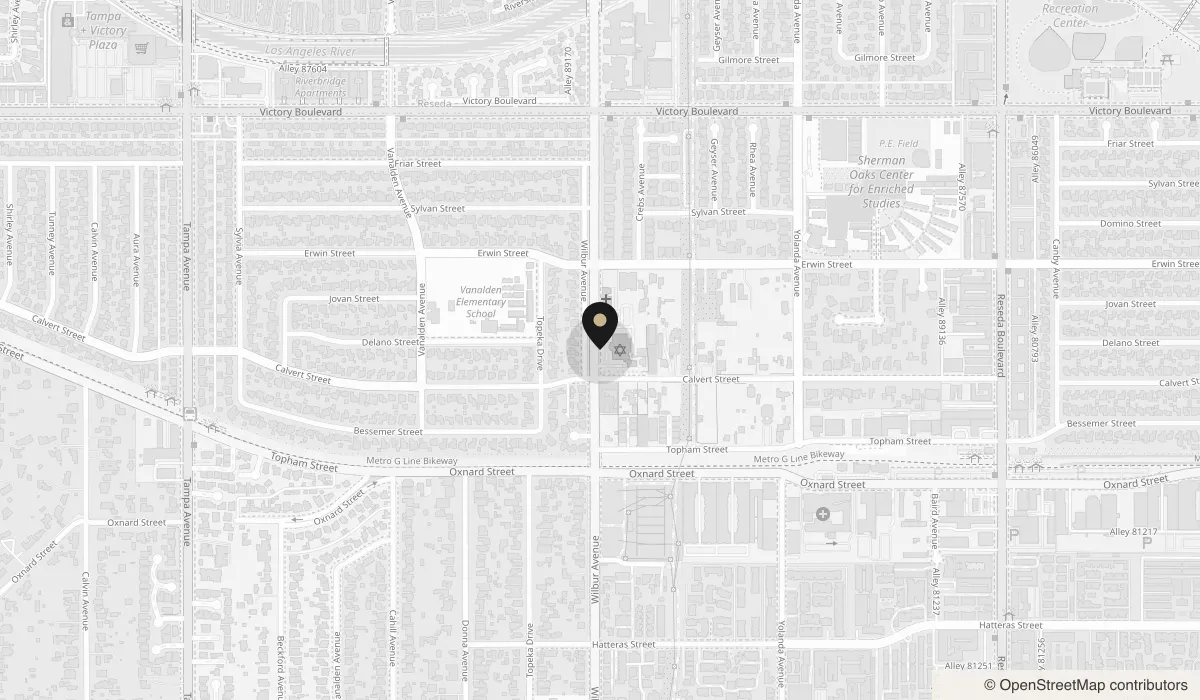
Local help, day or night
What crisis and treatment lines does Los Angeles County offer?
Los Angeles County has its own lines for a mental health crisis and for finding substance use treatment, and both work alongside 988. Each number comes from a county or federal agency.
- 988 Suicide and Crisis LifelineCall or text 988, or chat online, for a suicidal, mental health or substance use crisis. It is free, confidential and open at all hours. The county Department of Mental Health says 988 calls here are answered by a local crisis center that coordinates with the department’s Help Line.
- LA County Department of Mental Health Help Line, (800) 854-7771The county’s mental health line, listed by the department for help 24 hours a day.
- Substance Abuse Service Helpline, 1-844-804-7500Run by the county Department of Public Health for screening and referral to treatment, toll-free and available at any time.
- SAMHSA National Helpline, 1-800-662-4357A free, confidential federal referral line, open every day around the clock, in English and Spanish. Family members can call too.
- 911For immediate danger: someone who cannot be woken, is breathing slowly or not at all, is having a seizure or chest pain, or may harm themselves or someone else.
Safety first
Wherever you are in Los Angeles: 911 for danger, 988 for a crisis.
If someone cannot be woken, is breathing slowly or not at all, has a seizure, has chest pain, or may hurt themselves or someone else, call 911 now. For thoughts of suicide or a mental health or substance use crisis, call or text 988 at any hour, and stay with the person while you wait for help.
Stopping alcohol or a benzodiazepine suddenly after heavy, regular use can be dangerous, and can bring seizures. Call before anyone stops, so the risks can be weighed first.
Go deeper
The detail, if you want it
Is it better to get treatment close to home or a little farther away?
Neither is better for everyone. Treatment close to home makes it easier for family to stay involved and to build the plan for afterward around real places, while a little distance can help someone step back from the people and routines tied to their use.
The research gives three reasons to take a nearby option seriously. Treatment needs to be readily available, because people unsure about treatment can be lost if it is not easy to reach at the moment they are ready. Family and friends can play critical roles in getting someone into treatment and keeping them there, and involving a family member or partner can strengthen and extend the benefits. And recovery rests partly on home, a stable and safe place to live, and on community, relationships that offer support. A plan built near home can be tested against the real versions of both.
Distance has its own case. Leaving a familiar neighborhood can make it easier to break with the friends, places and habits that kept the use going. Tarzana offers a middle path for much of Los Angeles: near enough for family, yet for someone from the Westside or the East Valley, far enough to feel like a fresh setting.
Being close to home also helps with the questions about care after the stay. Whether residential care is the right level at all is a separate matter, covered in how to tell whether living in or going home each night suits someone.
Close to home or a little away: what should a family weigh?
These questions help a family decide how much distance makes sense. There is no score; the answers simply show which way things lean.
- Who at home will stay involved during the stay? Family involvement is linked with stronger, longer-lasting benefits. Ask any program how family takes part.
- Are the people tied to the use mostly in the same neighborhood? If so, a setting a few miles away can matter more than one just around the corner.
- Where will the person live after the stay? A stable, safe home is among the foundations of recovery. A plan made nearby can be built around that address.
- Which doctors, therapists and meetings will they keep seeing? Care that continues after a stay is easier to arrange when the people providing it are close by.
- Is privacy the main worry? Ask any program how it protects privacy, such as visits by arrangement. Distance is not the only answer.
- Is the person ready now? People can be lost when treatment is not readily available. A nearby option takes travel off the list of reasons to wait.
- Would a long trip become a reason to delay? Travel plans, flights and time off work can become reasons to put the decision off.
- What does the assessment recommend? The level of care should follow the person’s needs and safety, not the map.
What should a family ask about visits?
Visits to Lumora are by arrangement. Please call before coming to the house, so that the privacy and quiet of everyone staying there are protected.
How family stays in touch during a stay is worth settling on the first call, before anyone packs a bag. Ask any residential program, including us: when in the stay visits are possible, how long they last, who can come, and how family will be included in the plan for afterward. Our guide for relatives covers how a family nearby can help without taking over.
FAQ
Questions families ask
How far is Lumora from Encino?
About four and a half miles from Ventura Boulevard in Encino, or roughly eight minutes by car without traffic. The usual route is the 101 west to Tarzana, then a few blocks along Oxnard Street to Wilbur Avenue.
How long is the drive to Lumora from Santa Monica or Brentwood?
Without traffic, about 22 minutes from Brentwood and about 26 from Santa Monica, north on the 405 over the Sepulveda Pass and then west on the 101. Rush hour on the 405 can add a great deal to that, so allow extra time.
Is rehab close to home a good idea, or should we look farther away?
Either can be right. Being nearby makes it easier for family to stay involved, which NIDA says can strengthen treatment, and lets the plan for life afterward be built around real places and people. Some people do better with a little distance from the friends and places tied to their use. The assessment and an honest talk about home can help you decide.
Will people in our neighborhood know someone is in treatment?
Lumora is a house on a quiet residential street, and visits are by arrangement so the privacy of everyone staying there is protected. The call to admissions is confidential, and you can ask about privacy before anyone commits to anything.
Does it matter which part of Los Angeles we live in?
Not for whether Lumora fits. That is decided by the clinical assessment, which looks at what is being used, the person’s health and safety, and whether a residential setting is right. Where you live mainly shapes the drive and the plan for care after the stay.
Who answers 988 in Los Angeles County?
According to the county Department of Mental Health, 988 calls in Los Angeles County are answered by a local crisis center that works with the department’s own Help Line. You can call or text 988, or chat online, at no cost, at any hour, for a mental health, suicidal or substance use crisis.
Is there a county helpline for substance use treatment in Los Angeles?
Yes. The Los Angeles County Department of Public Health runs the Substance Abuse Service Helpline, 1-844-804-7500, a toll-free line for screening and referral to treatment that you can call at any time. SAMHSA’s National Helpline, 1-800-662-4357, is another free, confidential option.
Is Tarzana part of the City of Los Angeles?
Yes. Tarzana is a neighborhood of the City of Los Angeles in the southwest San Fernando Valley, between Encino to the east and Woodland Hills to the west. Calabasas, farther west along the 101, is its own city in Los Angeles County.
Other ways we help
Care at Lumora
-
Medical detox
Medically supervised withdrawal in the residence, leading straight into residential treatment.
-
Residential treatment
Living at Lumora for the length of the program, rather than going home each night.
-
Dual diagnosis care
Mental health conditions that occur with substance use, treated together with it.
-
Eating disorder support
Coordinated planning for eating disorders alongside substance use, including referral when that is safer.
-
Aftercare planning
A plan for life after Lumora, pointing to step-down care, sober living or therapy near home.
-
Tour the residence
Bedrooms, lounges, the wellness room and the garden.
Admissions, 24 hours a day
From the Valley or the Westside, one call starts it.
Admissions answers day and night. Tell us where you are and what is happening, and we will talk through the assessment, the drive and what comes next.
Last updated
Sources
- Los Angeles County Department of Mental Health, 988 information
- Los Angeles County Department of Public Health, Substance Abuse Prevention and Control: contact us
- SAMHSA, National Helpline
- National Institute on Drug Abuse, Principles of Drug Addiction Treatment
- SAMHSA, About recovery
- 988 Suicide and Crisis Lifeline
- MedlinePlus, Alcohol withdrawal
- FDA, Boxed warning updated to improve safe use of benzodiazepines (2020)
- US Census Bureau, Geocoder (address coordinates)
- OSRM routing on OpenStreetMap data (drive distances and free-flow times)
This page is for information and is not a substitute for medical, legal or insurance advice. Sources checked October 11, 2026.