
Heroin rehab · Tarzana, CA
Heroin rehab in Los Angeles, for the person and the health heroin left behind.
Heroin rehab in Los Angeles at Lumora Recovery is residential treatment for heroin use disorder, once withdrawal is over, in a Tarzana house licensed by the state for six residents. NIDA describes effective treatment as behavioral therapy, combined with medicine for many people. A stay is also the time to check and repair health after injecting.
What is heroin rehab, and how is it different from heroin detox?
Heroin rehab is the treatment that begins once withdrawal is over, aimed at the heroin use disorder itself rather than at the sickness of stopping. Detox clears the drug and carries a person through the hardest physical days. NIDA’s research report on heroin is direct about the limit of that: detox does not treat addiction by itself, and it is a useful first step only when evidence-based treatment follows.
At Lumora the two stages share one address. The state license covers residential treatment with detoxification in the same house, so when withdrawal care is needed first, it leads into residential treatment without a transfer to another program. Someone who finished withdrawal elsewhere starts with a phone call and an assessment. If heroin is still being used, begin with heroin detox, the stage before rehab.
This page is about what comes after that point: what treatment for heroin use disorder involves, the health checks that injecting calls for, how daily life is rebuilt, what families can do, and the questions worth asking any program before choosing it.
Last updated
The treatment
What does treatment for heroin use disorder involve?
Treatment for heroin use disorder combines behavioral therapy with, for many people, medicine. NIDA reports that this combination is the most effective route for many people, and that matching the approach to the individual matters as much as the approach itself.
What is behavioral therapy for heroin addiction?
Behavioral therapy is structured work on the thoughts, habits and rewards that keep drug use going. NIDA names two approaches with research behind them for heroin: contingency management, which rewards drug-free test results, and cognitive behavioral therapy, which works on the expectations and behaviors around drug use and builds practical skills for stress and triggers. How contingency management runs day to day is explained on our page about cocaine rehab, where reward-based therapy is the main tool.
Both can be delivered in residential or outpatient settings, and the choice between them is weighed in what a live-in program offers that outpatient care does not. Which therapies a program uses is a fair question to ask it directly; it appears in the checklist further down this page.
Where do medicines fit in heroin addiction treatment?
Medicines are one of the two main parts of treatment, not a substitute for it. The FDA has approved three for opioid use disorder, heroin included: methadone, buprenorphine and naltrexone. They act in different ways, and whether one is used, and which, is a medical decision for the person and their prescriber. The CDC describes that choice as a personal medical decision and notes that pairing medicine with behavioral therapy is common.
How the three medicines differ, and what California requires of licensed residential programs, is set out on our page covering the approved opioid medicines and the state rules on them in rehab. When the addiction began with a pain prescription rather than heroin, see rehab for addiction that began with a prescription.
What if a mental health condition comes with the heroin use?
Then both conditions need treatment at the same time, which is the federal standard. NIDA reports that about 35% of adults with a mental disorder also had a substance use disorder in 2023, and says anyone seeking care for one should be screened for the other; nationally, NIDA lists anxiety, depression and PTSD among the common pairings. NIMH describes integrated care, in which mental health and substance use treatment are coordinated in one place. NIDA’s heroin report adds that drug use, infectious disease, mental illness and stigma often occur together, which is why plans need to be built around the individual.
Lumora treats mental health conditions that occur with substance use. For any one person, the assessment decides whether both can be treated together at Lumora or need another setting first. More on that is in dual diagnosis care when mental health and substance use overlap.
Is heroin addiction a moral failing?
No. The CDC calls opioid use disorder a long-term medical condition that can affect anyone, one that is treatable and that people recover from. It also observes that stigma keeps people from seeking care, and it encourages families to change the words they use. Talking about heroin use as a health problem, not a character flaw, keeps the door open for the next conversation about treatment.
Health repair
Hepatitis C, HIV and vaccines: which health checks should follow injecting heroin?
Anyone who has injected heroin should be tested for hepatitis C and HIV and should ask about hepatitis A and B vaccines, and PrEP where equipment was shared. Each of these comes from a CDC recommendation. Treatment is a sensible time to raise them, because the person is stable and starting to think about health again.
| Check | What it is | Who the CDC says it is for | Why it matters | A question to ask |
|---|---|---|---|---|
| Hepatitis C test | An antibody blood test, followed by an RNA test if positive to show whether the virus is still present | Every adult at least once; anyone who has ever injected drugs; repeat tests while equipment is still shared | NIDA reports that people who inject drugs are the group at highest risk for hepatitis C | Has a test been done, and was the RNA test ordered after a positive result? |
| Hepatitis C treatment | A course of direct-acting antiviral pills | Anyone diagnosed with a current infection | Cures more than 95% of people, usually in 8 to 12 weeks; the CDC warns that delay risks severe liver damage | Who starts treatment, and how does it continue after discharge? |
| HIV test | A lab or rapid test for HIV | Everyone aged 13 to 64 at least once; at least yearly after sharing needles, syringes or cookers | NIDA names shared injection equipment as the main route of infection among people who use heroin | When was the last HIV test, and when is the next one due? |
| PrEP | Medicine that greatly reduces the chance of getting HIV | People without HIV who share injection equipment or have an injection partner with HIV | The CDC says it greatly reduces HIV risk from injecting; an HIV test is required first | Would PrEP make sense, and who would prescribe and follow it? |
| Hepatitis A vaccine | A vaccine against hepatitis A, a liver infection | People who use or inject drugs are named as a priority group | The CDC lists drug use among the reasons to put this vaccine first | Is the person already vaccinated, or is there a record to check? |
| Hepatitis B vaccine | A vaccine against hepatitis B, a liver virus NIDA links to shared equipment and unprotected sex | All adults aged 19 to 59, and older adults with risk factors | NIDA reported hepatitis B in as many as 25% of people who inject drugs in 2014 | Can the series begin during treatment, or with a doctor near home? |
From CDC testing, treatment and vaccination guidance and NIDA’s heroin research report. General information, not medical advice; a doctor decides which tests and treatments apply to one person.
How does hepatitis C testing work?
Hepatitis C testing happens in two steps, according to the CDC. An antibody test comes first; it can be done in a lab, as a rapid test with a result in about 30 minutes, or at home. A positive antibody result shows that the virus has been in the body at some point, so an RNA test follows to show whether the infection is current. The RNA result is the one that tells a doctor whether treatment is needed.
NIDA’s heroin report puts the scale in context: most of the 30,500 new hepatitis C infections estimated in 2014 were among people who inject drugs. A vaccine exists for hepatitis B but none protects against hepatitis C, so for hepatitis C, testing and treatment are the whole of the response. Smoking or snorting does not rule out infection either; the reasons are on our page about whether smoking or snorting heroin avoids the risks of injecting.
Can a residential program arrange these checks?
Ask, because programs differ, Lumora included. In California, the incidental medical services approval that some licensed residences hold covers medical care tied to detox and substance use treatment, delivered or overseen by a licensed practitioner. It excludes general primary care. Testing, hepatitis treatment and vaccines may therefore be arranged with an outside doctor or clinic rather than in the house itself.
What matters is that someone owns the plan, that results reach the person, and that treatment started during a stay carries on after it. NIDA adds that substance use treatment combined with HIV prevention helps people cut back on needle sharing and unsafe sex, so these checks are part of treatment, not a side errand.
Rebuilding
How do people rebuild daily life after heroin?
SAMHSA describes recovery as resting on four supports: health, a stable home, a sense of purpose, and a community that backs the change. A residential stay is where a plan for all four can be drafted, and a family can use the same four headings to judge that plan before discharge.
Health
Managing physical and mental health and making informed choices; for addiction, SAMHSA includes not using illicit drugs or medicines that were not prescribed. The tests and vaccines above belong here. Ask which appointments are booked for the first weeks home.
Home
A stable, safe place to live. After heroin, that can mean a hard look at where use used to happen and who still lives there. Ask where the person will sleep on the first night after discharge.
Purpose
Meaningful things to do each day, such as work, school, volunteering, caregiving or creative work, with enough independence and income to keep them going. Ask what will fill the hours heroin used to take.
Community
Relationships and social networks that support recovery. Ask who the person will see each week, and which peer or mutual support groups are part of the plan.
SAMHSA also stresses that recovery has many pathways: clinical treatment, medication, faith-based approaches, peer or family support and self-care can each play a part. It treats setbacks as a normal part of life and puts real weight on resilience.
NIDA’s treatment principles say much the same in clinical terms. Most people need at least three months of treatment in total. Plans should be reassessed and changed as needs change. A return to drug use signals that treatment should be resumed or adjusted, not abandoned. And after a residential stay, staying engaged in outpatient treatment or aftercare lowers the risk of relapse.
At Lumora, aftercare planning is part of the stay, pointing toward care near home. See how step-down care and support after a stay are arranged.
Family
How can you help a family member with heroin addiction during treatment?
Families help most by staying involved on the person’s terms, learning what treatment involves, and dropping words that shame. SAMHSA’s advisory on family therapy reports that involving family can improve engagement and retention in treatment, and links supportive family relationships with long-term recovery.
Who counts as family?
SAMHSA uses a wide definition. Blended families, grandparents, same-sex couples and people with no family tie at all can be part of someone’s family. The person in treatment defines who their family is and chooses which members take part. A relative who is not invited into sessions has not been written out of the recovery; the decision simply sits with the person.
When is a family session the wrong step?
SAMHSA advises providers to weigh several things before family work starts: where the person is in withdrawal, any co-occurring mental health condition, legal involvement, and any violence in the family. Joint counseling is generally not recommended where there has been intimate partner violence, and withdrawal itself is not the time for family sessions. A program that asks about these things before bringing relatives in is following the guidance, not keeping you out.
What can relatives do at home?
The CDC suggests three things: ask the person how you can help, change language that stigmatizes, and keep naloxone in the house. SAMHSA’s advisory names the other side of the ledger as well: conflict at home, or pressure to use, is linked to a higher risk of relapse.
Families often need support of their own. The SAMHSA National Helpline, 1-800-662-4357, is free, confidential and open at all hours, in English and Spanish, and it takes calls from family members. How Lumora involves families in a particular stay is a question for admissions, who will explain it for your situation.
Before you choose
What should you ask any heroin rehab before choosing it?
Ten questions drawn from the federal guidance on this page. Where Lumora can answer from the public record or its own process, the answer is given. Where the answer depends on the person, admissions will explain it on the call.
- Is the program licensed, and where can I see the record?Lumora: DHCS License No. 191642AP, a residential program with detoxification, listed in California’s public facility data.
- Does withdrawal care lead straight into treatment, or is there a transfer?NIDA calls detox a first step only. Lumora: treatment continues in the same house.
- Which behavioral therapies are used for heroin use disorder?NIDA names contingency management and cognitive behavioral therapy.
- Is medicine for opioid use disorder available on site or by referral?Our opioid rehab page compares the three FDA-approved options and the California rules.
- Who arranges hepatitis C and HIV testing, and who sees the results?The CDC recommends both for anyone who has injected drugs.
- Will vaccination records for hepatitis A and B be checked?The CDC prioritizes hepatitis A vaccination for people who use drugs and recommends hepatitis B vaccination for adults 19 to 59.
- How is a co-occurring mental health condition handled?NIDA advises treating both at once. Lumora: the assessment decides whether both can be treated together here or need another setting first.
- How are families involved, and who makes that choice?SAMHSA’s guidance leaves it with the person in treatment.
- What does the discharge plan say about home, purpose and community?SAMHSA’s four dimensions make it easy to check. Lumora: aftercare planning is part of the stay.
- What happens if heroin use returns?NIDA says treatment should be resumed or adjusted. Ask how the program responds.
The supply
Is the heroin sold today the same drug it used to be?
Often it is not. The CDC says illegally made fentanyl is mixed into heroin, and that many people do not know their drugs contain it.
For treatment, that has two consequences. Someone who describes years of heroin use may also have a dependence on fentanyl, which is worth raising at assessment even as a guess; what that changes in the withdrawal stage is on our page about fentanyl withdrawal and how it differs from heroin. And a return to use after treatment meets a supply whose strength nobody can judge, which is why the end of a stay is planned as carefully as the stay itself. The opioid rehab page sets out how to plan the move out of residential care.
What the fentanyl era means for treatment, from counterfeit pills to stimulants used alongside, is covered on our page on fentanyl rehab when pills or stimulants are part of the picture.
At Lumora
Heroin rehab in Los Angeles: what does Lumora’s state license cover?
Lumora’s license is a public record that anyone can check without asking us.
California’s Department of Health Care Services lists Lumora Recovery at 6130 Wilbur Avenue, Tarzana, under License No. 191642AP. The listing describes a residential program with detoxification (RES-DETOX), licensed for six residents, with incidental medical services approved. Under that approval, a licensed health care practitioner may provide or supervise defined medical care in the residence, such as taking a medical history, monitoring health and treating substance use, withdrawal included. Open Lumora’s listing in California’s licensing data.
The house sits on a quiet residential street in Tarzana, in the San Fernando Valley; photographs of the Tarzana house and its rooms show it as it is. For the residential program as a whole, read the way Lumora’s residential program runs.
We work with many PPO plans, and admissions offers a confidential benefits check over the phone. How a health plan decides what it pays is set out in the rules health plans follow for addiction care, and a plan is only one of the things that decide the bill; what moves the price of a residential stay explains the rest.
Safety first
Someone will not wake after using: call 911 now.
Slow or stopped breathing, blue lips or a person who cannot be roused is an emergency. Call 911, use naloxone if there is some in the house, and stay with them until help arrives. Thoughts of suicide, or a crisis that cannot wait until morning, are what 988 is for: call or text it, day or night, for the Suicide and Crisis Lifeline.
FAQ
Questions families ask
How long does heroin rehab take when hepatitis C treatment is also needed?
The assessment sets the length of a stay, and it is reviewed as treatment goes on. After injecting, health repair is one reason the plan has to reach beyond the house: the CDC says hepatitis C treatment usually runs 8 to 12 weeks, so the plan should name who continues it, and who follows up on test results, after discharge. Typical durations for opioid treatment as a whole are covered in how long opioid addiction treatment usually lasts.
Which therapies are used to treat heroin addiction?
NIDA points to two with research behind them for heroin: contingency management and cognitive behavioral therapy, which reshapes habits around drug use and builds coping skills. Either can run in a residential or an outpatient setting, and NIDA says both work especially well alongside medication.
Is detox enough to treat heroin addiction?
No. NIDA says detox does not treat addiction by itself and helps only when evidence-based treatment follows it. The acute physical symptoms ease in about a week; the patterns behind heroin use take far longer to change.
Should someone who has injected heroin be tested for hepatitis C?
Yes. The CDC recommends a hepatitis C test for anyone who has ever injected drugs, and repeat testing for as long as equipment is still being shared. A positive antibody result is followed by an RNA test, which shows whether the infection is current.
Can hepatitis C be cured?
In most cases, yes. According to the CDC, direct-acting antiviral pills cure more than 95% of people, usually over 8 to 12 weeks. The CDC advises talking to a doctor about treatment soon after diagnosis, because waiting can lead to serious liver damage.
How often should someone who shared needles get an HIV test?
At least once a year, the CDC says, for anyone who has shared needles, syringes or other injection equipment such as cookers. Everyone aged 13 to 64 should be tested at least once in any case.
Which vaccines are recommended for people who inject drugs?
Hepatitis A and hepatitis B. The CDC names people who use or inject drugs as a priority group for hepatitis A vaccination and recommends hepatitis B vaccination for every adult aged 19 to 59. No vaccine exists for hepatitis C, which is why testing carries so much weight.
What is PrEP, and who should consider it?
PrEP is medicine taken to prevent HIV. The CDC says it greatly lowers the chance of infection from sex or injecting, and that people without HIV who share injection equipment, or whose injection partner has HIV, can consider it. An HIV test is needed before starting.
Who counts as family in heroin treatment, and who decides?
SAMHSA takes a broad view: parents, partners, grandparents, blended families and people with no blood tie at all can count. The person in treatment decides who their family is and which of them join any family work.
Where can a family get free, confidential advice about heroin treatment?
The SAMHSA National Helpline, 1-800-662-4357, answers free and in confidence at any hour, in English and Spanish. It offers referrals and information rather than counseling, and family members are welcome to call. To talk to Lumora instead, the steps are on what happens when you call Lumora admissions.
Other ways we help
Care at Lumora
-
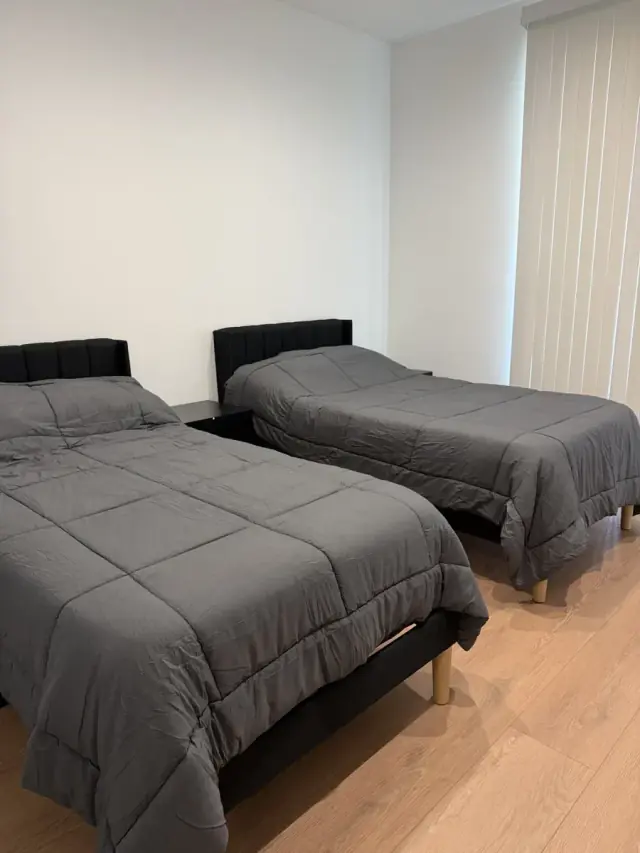
Medical Detox
Medically supervised withdrawal in the residence, leading straight into residential treatment.
-
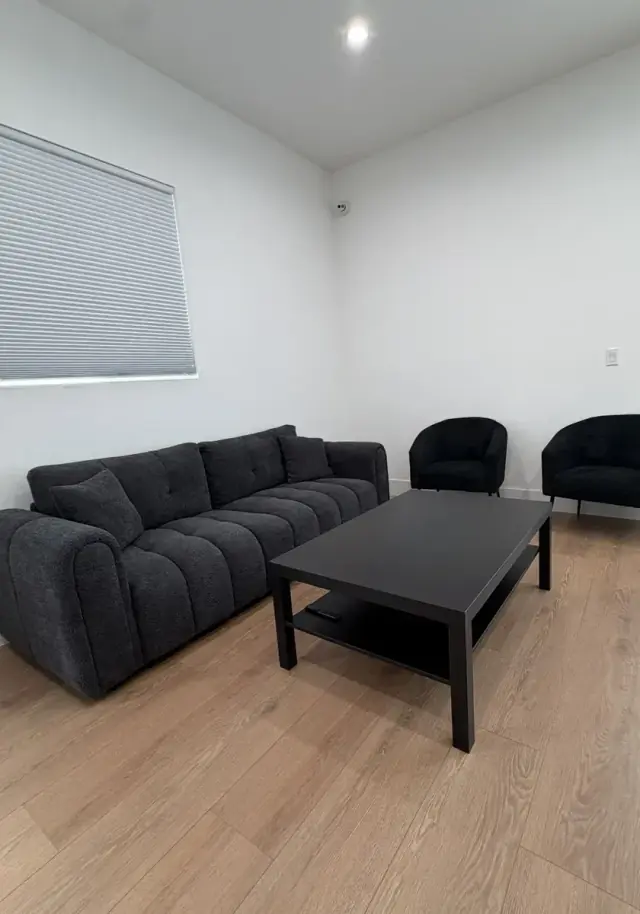
Residential Treatment
Living at Lumora for the length of the program, rather than going home each night.
-
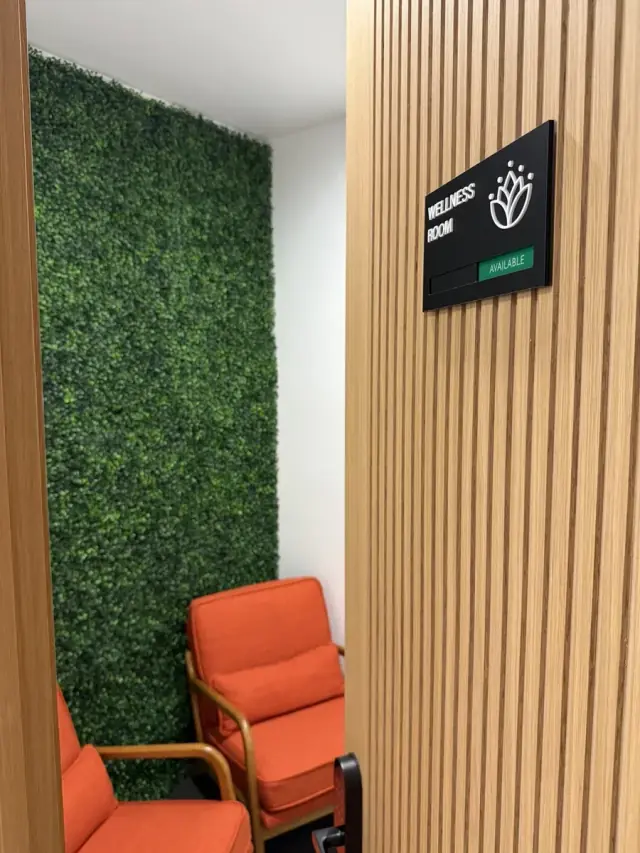
Dual Diagnosis Care
Mental health conditions that occur with substance use, treated together with it.
-

Eating Disorder Support
Coordinated planning for eating disorders alongside substance use, including referral when that is safer.
-

Aftercare Planning
A plan for life after Lumora, pointing to PHP, IOP, outpatient care, sober living or therapy near home.
-
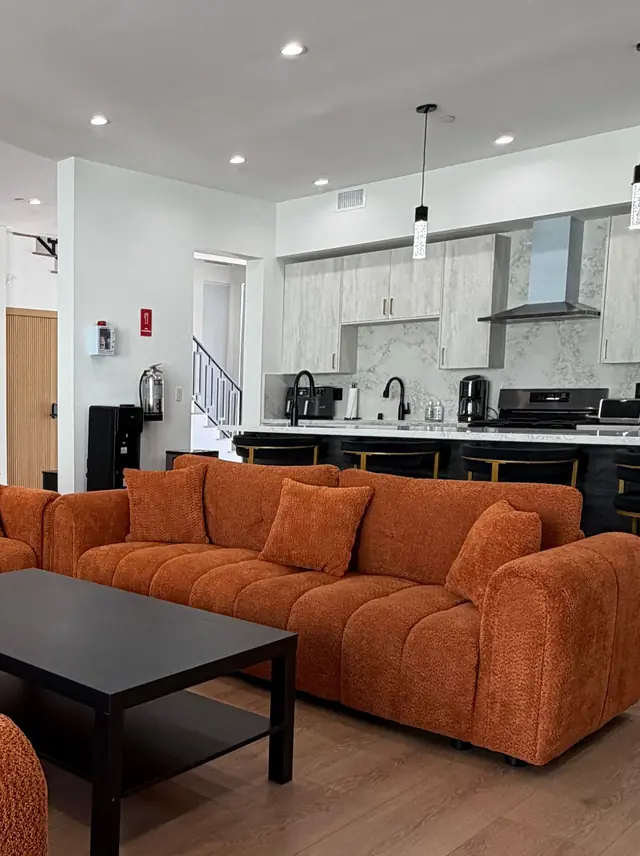
Tour the Residence
Bedrooms, lounges, the wellness room and the garden, photographed as they are.
Sources
- National Institute on Drug Abuse, Heroin Research Report: What are the treatments for heroin use disorder?
- National Institute on Drug Abuse, Heroin Research Report: What are the long-term effects of heroin use?
- National Institute on Drug Abuse, Heroin Research Report: Why are people who use heroin at special risk for HIV/AIDS and hepatitis B and C?
- CDC, Testing for hepatitis C (2025)
- CDC, Hepatitis C treatment (2023)
- CDC, Getting tested for HIV (2026)
- CDC, PrEP (preexposure prophylaxis) (2026)
- CDC, Hepatitis A vaccination (2025)
- CDC, Hepatitis B vaccination (2025)
- CDC, Treatment of opioid use disorder (2024)
- CDC, Fentanyl (Overdose Prevention, 2025)
- SAMHSA, About recovery (2024)
- SAMHSA Advisory, The importance of family therapy in substance use disorder treatment (based on TIP 39)
- SAMHSA, National Helpline
- National Institute on Drug Abuse, Principles of Drug Addiction Treatment
- National Institute on Drug Abuse, Co-occurring disorders and health conditions
- National Institute of Mental Health, Substance use and co-occurring mental disorders
- California DHCS, Incidental Medical Services
- California DHCS, SUD Recovery Treatment Facilities (state facility record)
- 988 Suicide and Crisis Lifeline
This page is for information and is not a substitute for medical, legal or insurance advice. Sources checked October 10, 2026.
Admissions, 24 hours a day
Heroin rehab in Los Angeles, with health, home and family in the plan.
Call admissions at any hour. Tell us where things stand with withdrawal and with health, and we will talk through whether residential treatment at Lumora fits and what the plan would need to cover.