
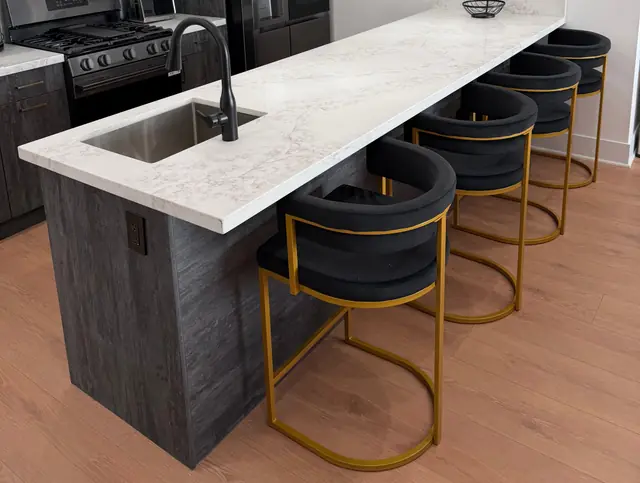
Alcohol rehab · Tarzana, CA
Alcohol rehab in Los Angeles, for what comes after withdrawal.
Alcohol rehab in Los Angeles at Lumora Recovery is residential treatment for alcohol use disorder, in our Tarzana house licensed by the state for six residents. It begins once withdrawal is over, usually after alcohol detox. Residential care is not the right level for everyone, and an assessment decides whether it fits.
Alcohol rehab after detox: what residential treatment is for
Detox ends the physical withdrawal. It leaves the reasons for drinking, the habits around it and the pull back toward it untouched. The National Institute on Alcohol Abuse and Alcoholism (NIAAA) says treatment for alcohol use disorder rests on three approaches: behavioral treatment, medication and mutual support, used alone or together.
Residential treatment means doing that work while living at the program rather than at home. NIAAA describes it as a 24-hour setting and one of four levels of care.
Last updated
The condition
What alcohol use disorder is, and how severity is judged
NIAAA calls alcohol use disorder a medical condition: trouble stopping or controlling drinking despite harm to health, work or relationships. Clinicians judge it from 11 possible symptoms over the past year.
| Symptoms in the past year | What NIAAA calls it |
|---|---|
| 2 to 3 | Mild alcohol use disorder |
| 4 to 5 | Moderate alcohol use disorder |
| 6 or more | Severe alcohol use disorder |
For information, not a diagnosis. A clinician makes the diagnosis.
The symptoms describe things a family often sees first: drinking more or for longer than intended, trying to cut down and not managing it, drinking getting in the way of home, work or school, giving up activities to drink, needing more to feel the effect, and withdrawal when the alcohol wears off. NIAAA publishes all 11.
NIAAA reports, from the 2024 National Survey on Drug Use and Health, that about 27.9 million people aged 12 and older had alcohol use disorder. In a separate summary of the same survey, it reports that about 7.6% of people with alcohol use disorder received any alcohol treatment in the past year.
Fit
Who residential alcohol treatment is for
NIAAA’s treatment navigator says longer residential care may help people with more severe alcohol use disorder, unstable housing, limited transport, few people around them who do not drink, other health conditions, or a need for a structured day. The assessment weighs this with the person, and if residential care at Lumora is more than they need, admissions will say so. The full comparison of levels is in our guide to choosing between residential and outpatient care.
National guidance
What alcohol use disorder treatment includes
This is what national guidance describes. Ask any program, Lumora included, which parts it provides.
Behavioral treatment
NIAAA names approaches such as cognitive behavioral therapy, motivational enhancement, contingency management, couples and family counseling, and twelve-step facilitation. They aim to change drinking behavior and build skills to manage triggers.
Medication
Three medicines are FDA approved for alcohol use disorder. Naltrexone can reduce the urge to drink, acamprosate can ease the discomfort of not drinking, and disulfiram causes an unpleasant reaction if alcohol is taken. NIAAA notes none is addictive. Whether one is right is for a prescriber and the person to decide.
Mutual support
Groups such as AA give peer support, and NIAAA notes they can be combined with professional treatment.
When drinking returns
NIAAA describes alcohol use disorder as a condition that can relapse. A return to drinking is a setback, not a verdict, and a reason to adjust support.
Before you choose
Questions to ask any alcohol rehab, with Lumora’s answers where we can give them
Adapted in our own words from the questions NIAAA suggests families ask. Where an answer depends on the person, we say so.
- Is the program licensed, and can I check?Lumora: yes. DHCS License No. 191642AP, listed in the state’s public facility record.
- Does treatment start with a full assessment?Lumora: yes. A clinical assessment sets the level of care and the plan.
- How is the plan matched to the person?Lumora: around clinical needs, family and the life the person is going back to.
- What happens with a mental health condition alongside the drinking?Lumora: co-occurring mental health conditions are treated together with the substance use.
- Is the program open to medication for alcohol use disorder?NIAAA suggests caution about programs that rule it out. Lumora: admissions will explain how this works on the call.
- What does it cost, and what will my plan pay?Lumora: we work with many PPO plans and check benefits by phone, with no obligation.
- What happens if the person drinks again?NIAAA suggests looking for more support, not discharge. Lumora: admissions will explain how this works on the call.
- What support is in place after discharge?Lumora: aftercare planning is part of the stay, pointing to care near home.
Work and leave
Alcohol treatment and your job: what federal leave law says
Federal leave law can protect a job during treatment, with conditions.
The Department of Labor says the Family and Medical Leave Act (FMLA) can cover treatment for substance use from a health care provider, including an overnight stay at an addiction treatment center. Eligible employees can take up to 12 workweeks a year. Eligibility generally means 12 months with the employer, 1,250 hours worked in the past year, and at least 50 employees within 75 miles.
Two limits: absence caused by drinking itself is not covered, and an employer can still apply a clearly communicated policy on substance use. A spouse can also use FMLA leave to take part in a partner’s inpatient treatment. California law may add protections; HR can confirm what applies.
At Lumora
Alcohol rehab in Los Angeles: Lumora in Tarzana
Lumora is a house on Wilbur Avenue in Tarzana, licensed by DHCS for six residents. Someone who has just finished withdrawal here moves into treatment in the same house. Someone coming from detox elsewhere starts with the same call and assessment. If withdrawal has not happened yet, the first step is our page on alcohol detox and withdrawal.
Care for mental health conditions that occur with drinking runs alongside treatment, and the plan for life after discharge is in place before the person leaves. For more on residential care in general, see Lumora’s residential program. When opioids are involved as well, our page on opioid addiction treatment in a residential setting covers the medicines and the overdose risk at discharge.
How length of stay and plan type shape the bill is explained in our guide to rehab costs in Los Angeles.
Safety first
If someone is in danger tonight, call 911.
If someone you love is in immediate danger, or has a seizure, severe confusion or hallucinations after stopping drinking, call 911. For a mental health or substance use crisis, or thoughts of suicide, call or text 988 to reach the Suicide and Crisis Lifeline, around the clock.
FAQ
Questions families ask
What is alcohol use disorder?
NIAAA defines it as a medical condition in which a person has trouble stopping or controlling drinking even though it is causing problems. It is diagnosed from 11 possible symptoms in the past year and ranges from mild to severe.
What is the difference between alcohol detox and alcohol rehab?
Detox manages withdrawal, the days when the body adjusts to no alcohol. Rehab is the treatment that follows, aimed at the drinking itself. NIAAA describes withdrawal management as a first step that does not treat the disorder on its own.
How common is alcohol use disorder?
Very common. NIAAA reports that about 27.9 million people aged 12 and older in the United States had alcohol use disorder in 2024, based on the National Survey on Drug Use and Health.
Are there medications for alcohol use disorder?
Yes. The FDA has approved three: naltrexone, acamprosate and disulfiram. NIAAA notes none of them is addictive. Whether one fits is a decision for a prescriber and the person.
Does a relapse mean alcohol treatment has failed?
No. NIAAA describes alcohol use disorder as a condition that can relapse, and a return to drinking as a setback rather than a failure. It is a signal that support needs to change or increase.
What is the difference between a licensed and an accredited rehab?
A state license is the legal baseline to operate. Accreditation is a separate, voluntary review by an outside organization. NIAAA suggests asking about both. Lumora’s California license can be checked in the state’s public facility record.
Can I take leave from work to go to alcohol rehab?
Often, yes. The Department of Labor says the Family and Medical Leave Act can cover treatment for substance use, including an inpatient stay at a treatment center, for eligible employees. Absence caused by drinking itself is not covered. State law may add more; ask HR.
Is AA the same as alcohol rehab?
No. NIAAA lists mutual support groups such as AA as one of three approaches, alongside behavioral treatment and medication. They can be used together.
Other ways we help
Care at Lumora
-
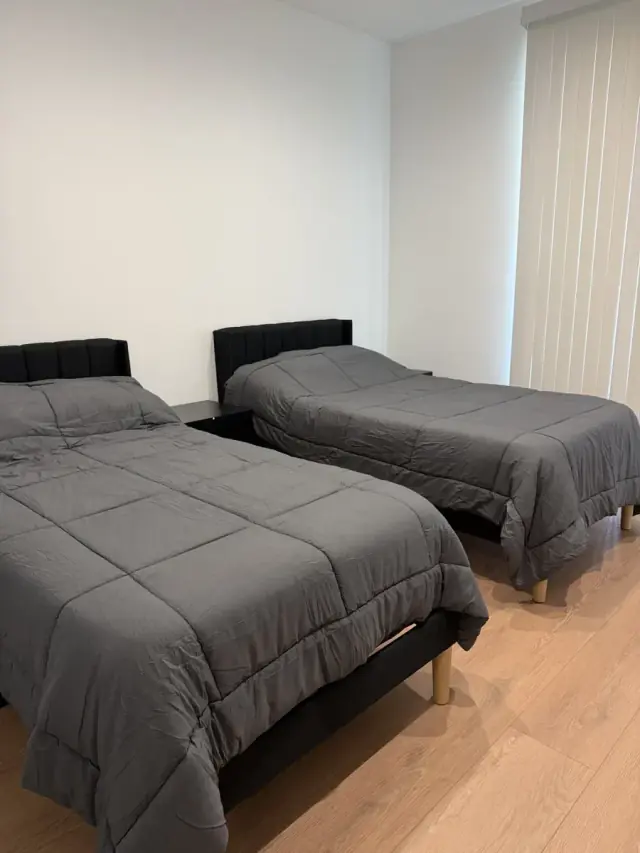
Medical Detox
Medically supervised withdrawal in the residence, leading straight into residential treatment.
-
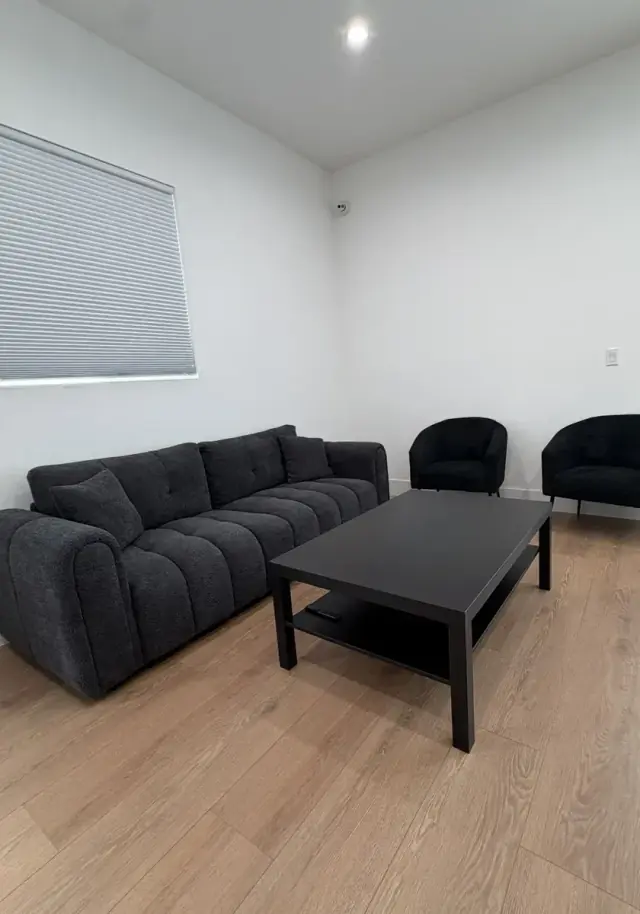
Residential Treatment
Living at Lumora for the length of the program, rather than going home each night.
-
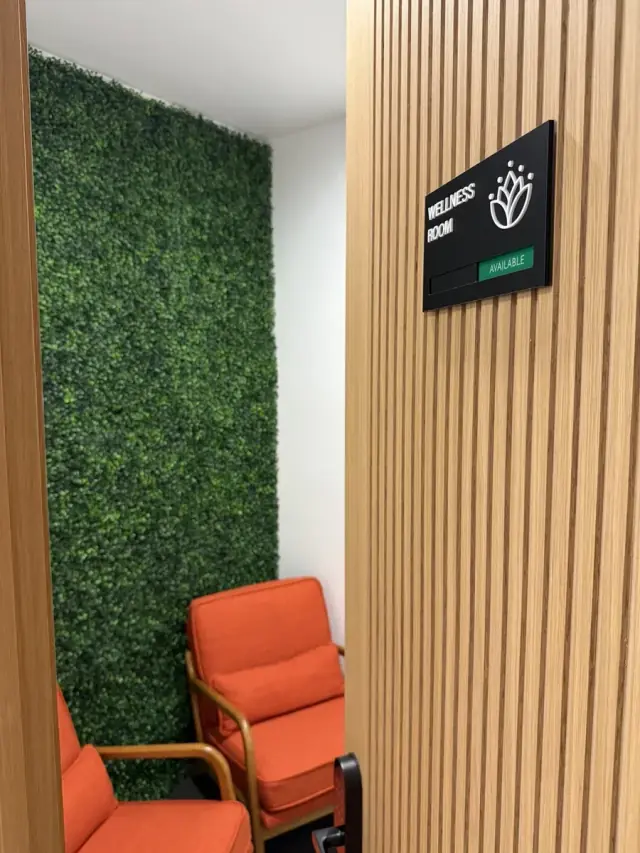
Dual Diagnosis Care
Mental health conditions that occur with substance use, treated together with it.
-

Eating Disorder Support
Coordinated planning for eating disorders alongside substance use, including referral when that is safer.
-
Aftercare Planning
A plan for life after Lumora, pointing to PHP, IOP, outpatient care, sober living or therapy near home.
-
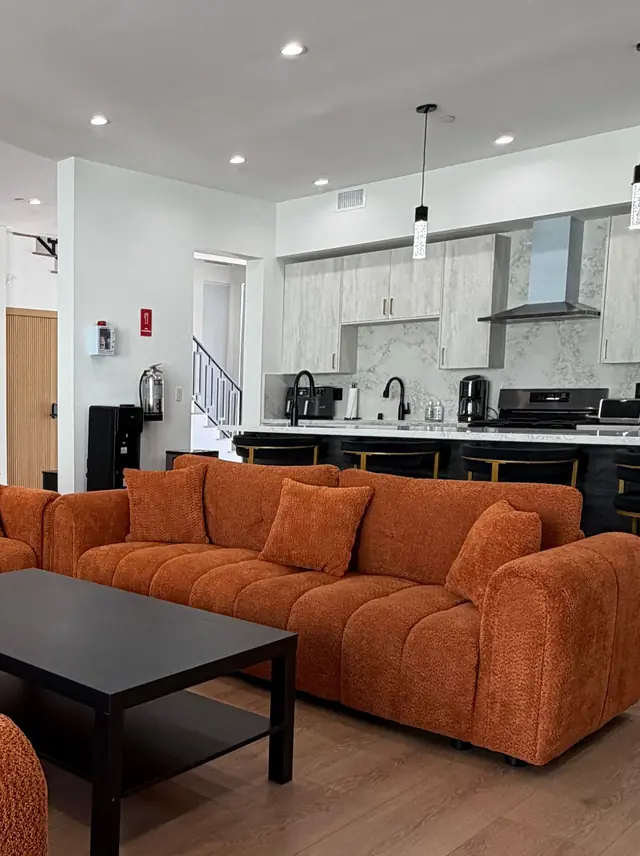
Tour the Residence
Bedrooms, lounges, the wellness room and the garden, photographed as they are.
Sources
- NIAAA, Understanding alcohol use disorder
- NIAAA, Treatment for alcohol problems: finding and getting help
- NIAAA Alcohol Treatment Navigator, What types of alcohol treatment are available?
- NIAAA Alcohol Treatment Navigator, Why do different people need different options?
- NIAAA Alcohol Treatment Navigator, Ten questions for alcohol treatment programs
- NIAAA, Recommend evidence-based treatment: know the options
- NIAAA, Alcohol use disorder: risk, diagnosis and recovery
- NIAAA, Alcohol use disorder in the United States: age groups and demographics (2024 NSDUH)
- NIAAA, Alcohol treatment in the United States (2024 NSDUH)
- U.S. Department of Labor, FMLA Advisor: substance abuse
- U.S. Department of Labor, FMLA frequently asked questions
- U.S. Department of Labor, Fact Sheet 28O: Mental health conditions and the FMLA
- California DHCS, SUD Recovery Treatment Facilities (state facility record)
- 988 Suicide and Crisis Lifeline
This page is for information and is not a substitute for medical, legal or insurance advice. Sources checked October 10, 2026.
Admissions, 24 hours a day
Alcohol rehab in Los Angeles, after a clear look at what fits.
Call admissions at any hour. If residential care is more than the situation needs, we will tell you, and point you toward what fits better.