
Marijuana rehab · Tarzana, CA
Marijuana rehab in Los Angeles, for when weed is no longer casual.
Marijuana rehab in Los Angeles at Lumora Recovery is residential treatment for cannabis use disorder, in a Tarzana house licensed by the state for six residents. Withdrawal from cannabis is usually mild, and no medicine is FDA approved for the disorder, so treatment is behavioral. An assessment decides whether a residential stay or outpatient care fits.
Do people really go to rehab for weed?
Yes, and cannabis use disorder is more common than many families expect. SAMHSA’s 2025 National Survey on Drug Use and Health found 19.3 million people aged 12 and older, 6.7% of that population, with a marijuana use disorder in the past year. That is up from 16.7 million (6.0%) in 2021, and it makes cannabis the most common drug use disorder in the country (NSDUH counts alcohol use disorder separately). The same survey counted 61.6 million people, 21.2% of those aged 12 and older, who used marijuana at some point that year, so most people who use it do not have the disorder.
Residential treatment is one level of care among several, not the default for cannabis. It is worth considering when cannabis sits alongside other substances, when mental health symptoms complicate stopping, or when attempts to cut down at home have not held. An assessment, not the drug’s reputation, decides which level fits.
Last updated
The condition
What is cannabis use disorder?
Cannabis use disorder is the medical name for marijuana use that a person keeps up despite the harm it causes and finds hard to cut back. NIDA describes it as the addiction that can develop with regular use, and associates it most closely with daily or near daily use of THC products.
The CDC lists the signs a family is most likely to see: using more than intended, trying and failing to quit, needing more to get the same effect, cravings, carrying on despite problems at home, work or school, and using in risky situations such as before driving. Clinicians count these against the DSM-5 criteria. NIDA reports the bands: two or three symptoms is mild, four or five is moderate, and six or more is severe.
How many people who use cannabis develop it?
Estimates vary with the study. NIDA reports that research puts the share at 22% to 30% of people who use cannabis, and the CDC puts it at about 3 in 10. Of the 19.3 million people with the disorder in 2025, SAMHSA classed 53.4% as mild and 18.0% as severe.
For context only, not a self-test. A clinician makes the diagnosis.
Risk and age
Who is most at risk, and why does age matter?
How often someone uses is the strongest predictor of cannabis use disorder, according to NIDA, with family history and years of use also playing a part. The CDC and MedlinePlus add that starting young raises the risk, and the 2025 survey shows the youngest people with the disorder are the most likely to have its severe form.
| Age group | Share with the severe form, among those with the disorder |
|---|---|
| Adolescents, 12 to 17 | 33.4%, about one in three |
| Young adults, 18 to 25 | 25.3%, about one in four |
| Adults, 26 and older | 13.8%, about one in seven |
| All ages, 12 and older | 18.0%; another 53.4% had the mild form |
SAMHSA, 2025 National Survey on Drug Use and Health (released July 27, 2026). Population figures for families’ context, not a diagnosis of any one person.
Two trends run in opposite directions. Past-year cannabis use among adolescents fell from 10.9% in 2021 to 8.7% in 2025, yet among adults aged 26 and older the disorder rose from 4.7% (10.4 million) to 5.7% (13.1 million) over the same years. So a parent worried about a teenager and an adult worried about a spouse are both looking at a real pattern.
NIDA links heavy use in adolescence with effects on memory, processing speed and performance at school. Higher-THC products, covered next, are a further risk factor that NIDA and MedlinePlus both name.
Potency
How strong is cannabis now?
Much stronger than it was. NIDA reports that the average THC content of cannabis seized by law enforcement roughly quadrupled between 1995 and 2022, and that some dispensary flower and concentrates now exceed 40% THC.
Source: NIDA, Cannabis (Marijuana) research topic, September 2024.
Potency matters for treatment because NIDA associates higher THC with a greater likelihood of progressing to cannabis use disorder, and the CDC notes that high-THC products raise the risk of taking too much. MedlinePlus makes the same point in simpler terms: stronger products make addiction more likely. Someone who began with occasional joints years ago and now uses concentrates daily is, in practice, using a different drug.
Edibles, delta-8 and CBD
SAMHSA advises keeping edibles out of children’s reach. NIDA notes that delta-8 THC products are not FDA approved, and SAMHSA says CBD products are not federally regulated for content, purity or strength. For an assessment, the useful facts are the product, the strength on the label if there is one, and how often it is used.
Stopping
What happens when someone stops using marijuana?
Some people who stop after heavy or long-term use go through cannabis withdrawal, which MedlinePlus describes as mild; one study NIDA cites found it in 12.1% of frequent users. The symptoms are real, and they are the part of stopping a family is most likely to notice at home.
Which symptoms are recorded?
NIDA lists anger, irritability or aggression; nervousness or anxiety; restlessness; low appetite or weight loss; low mood; trouble sleeping and strange dreams; headaches; sweating; stomach pain; and tremor. MedlinePlus names irritability, poor sleep, reduced appetite, anxiety and cravings. NIDA adds that withdrawal can occur in people who do not have cannabis use disorder.
How long does it last?
No federal source we rely on gives a timeline for cannabis withdrawal, so this page does not offer one; how it unfolds differs from person to person.
Why is it so hard to quit weed?
Several recorded factors stack up at once. The CDC lists trying and failing to quit as a core sign of cannabis use disorder, and NIDA identifies frequent use as its strongest predictor, so the people who most need to stop are often the ones using most. Withdrawal symptoms such as irritability, poor sleep and cravings arrive just as the effort begins. Higher-THC products, which NIDA associates with progression to the disorder, add to the pull.
Is medical detox needed for weed?
Usually not for cannabis alone. NIDA reports no FDA-approved medicine for cannabis withdrawal. A medical phase comes into play when the assessment finds a reason, such as alcohol, sedatives or opioids used alongside cannabis, or a health condition that needs watching. How that phase works is explained under the medical side of detox at Lumora. Because Lumora is licensed for residential treatment with detoxification at the same address, a person who does need it moves into treatment in the same house afterward, without a transfer.
A less known risk
What is cannabinoid hyperemesis syndrome?
Cannabinoid hyperemesis syndrome (CHS) is a condition of repeated nausea, vomiting and stomach pain that NIDA links to long-term heavy cannabis use. It can recur, and NIDA notes it often needs medical attention.
The vomiting that hot showers do not fix. Many people with CHS find that hot showers or baths bring relief. NIDA is clear that the relief is temporary. The condition resolves only when cannabis use stops completely, so cutting down is not enough to end it.
Families sometimes notice the pattern before anyone names it: repeated bouts of vomiting, long hot showers taken for relief, and a person who does not connect either with the cannabis. Raising CHS at the assessment gives the clinician a fuller picture.
Vomiting so persistent that no fluids stay down is a reason to get medical care now, before any treatment decision. If the person is confused, faint or cannot be roused, call 911.
Mental health
Can marijuana affect mental health?
It can, most clearly through psychosis. The CDC says people who use cannabis are more likely to develop psychosis, and that the link with schizophrenia is stronger when use starts earlier.
NIDA’s summary adds detail. Cannabis is associated with an earlier onset of schizophrenia in people who carry a genetic risk, and with worse symptoms in people who already have a psychotic disorder. The schizophrenia link is especially strong in young males. Separately, intoxication at high doses can cause a temporary psychotic episode, even in someone with no history of one.
The CDC also reports associations between cannabis use and depression, social anxiety, and suicidal thoughts, attempts and suicide. An association is not proof that cannabis caused the problem, but it is a reason to bring mood and thinking into the assessment rather than treat the cannabis on its own. When mental health symptoms come with the cannabis use, the assessment decides whether they can be treated together at Lumora or need a psychiatric setting first; read about care for mental health symptoms that occur with substance use. Lumora is a licensed residential program, not a psychiatric hospital.
If someone talks about suicide or seems out of touch with reality, call or text 988, or call 911 if there is immediate danger.
Treatment
Weed addiction treatment: what works for cannabis use disorder?
Behavioral treatment is the core of cannabis use disorder treatment. NIDA names three approaches that can be effective, and states that no medicine is FDA approved for the disorder or for withdrawal.
| Approach | What it is | What the work focuses on |
|---|---|---|
| Cognitive behavioral therapy (CBT) | A therapy that helps people manage the thoughts and cues that lead to use | Spotting the moods, people and moments that lead to use, and practicing other responses to them |
| Motivational enhancement therapy (MET) | An approach that builds the person’s own resolve to change | Turning mixed feelings about quitting into a decision the person owns, rather than one imposed on them |
| Contingency management (CM) | A reward system tied to meeting agreed goals | Small incentives for meeting agreed treatment goals, so progress is rewarded as it happens |
Described from NIDA’s cannabis and treatment research pages. This is what the evidence describes, not a list of services; ask any program, Lumora included, which of these it uses.
Is there a pill for marijuana addiction?
No. NIDA places cannabis among the drugs for which researchers are still developing medicines, alongside stimulants. This is different from FDA-approved cannabinoid medicines, such as dronabinol, nabilone and a plant-derived CBD medicine, which treat specific medical conditions and are not treatments for cannabis use disorder. A product sold as a cure for cannabis addiction has no FDA approval behind that claim.
What if someone starts using again?
NIDA describes substance use disorders as treatable chronic conditions in which relapse is often part of the course, and says a return to use does not mean treatment failed. It means the plan needs adjusting. For cannabis, that might mean a closer look at sleep, stress or the people and places linked to use.
Choosing a level
When does residential treatment make sense for marijuana?
Residential treatment makes sense for cannabis when living at home keeps pulling the person back, or when cannabis is only part of the problem. NIDA’s principles of treatment hold that no single treatment suits everyone and that care should address the whole range of a person’s needs.
The assessment usually looks at a handful of things:
- Whether alcohol, pills or other drugs are used too, which can change both the risks of stopping and the right setting; sedative pills have their own page on treatment for benzodiazepine misuse.
- Whether mental health symptoms are tangled up with the cannabis use.
- How earlier attempts to stop went, including outpatient treatment that did not hold.
- Whether home is a place where cannabis is constantly present or easy to reach.
- How much school, work and family life have already been affected.
What should you mention on the first call?
The product and its strength if known, whether flower, vape, edible or concentrate; how often it is used and for how many years; any alcohol, pills or other drugs, since heavy drinking brings withdrawal risks that cannabis does not; bouts of repeated vomiting; changes in mood or unusual thinking; and what happened in past attempts to stop. A rough account is enough to begin.
When outpatient care is the better fit, admissions will say so. A fuller comparison is in our guide to weighing residential against outpatient care.
Legal and safe
If marijuana is legal, can it still be a problem?
Yes. Legal sale changes where cannabis is bought, not what it does to the brain and body. SAMHSA notes that states that have legalized marijuana regulate it in widely different ways, and the FDA has not approved any whole-plant cannabis product as a medicine.
Driving
SAMHSA says marijuana impairs attention, judgment, coordination and reaction time, making it unsafe to drive after use. NIDA reports that cannabis is the drug most often found in the blood of drivers involved in crashes.
Pregnancy
NIDA links cannabis use in pregnancy with lower birth weight and preterm birth. SAMHSA lists pregnant and breastfeeding people among the groups at higher risk, along with adolescents, older adults and people with some mental health conditions.
Dose and strength
Legal products include the high-THC flower and concentrates described above. A licensed shelf does not make a 40% concentrate a low-risk product for someone who already uses every day.
Federal status
Is marijuana still illegal under federal law?
For the most part, yes. On April 28, 2026, a final rule moved two categories of marijuana to Schedule III, while all other marijuana stayed in Schedule I and the DEA set a new hearing on rescheduling the rest. The table separates what changed from what did not, as of October 10, 2026.
| Category | Status as of October 10, 2026 | Federal Register action |
|---|---|---|
| FDA-approved drug products containing marijuana | Changed: Schedule III | Final rule, effective April 28, 2026 (91 FR 22714) |
| Marijuana handled under a state medical marijuana license | Changed: Schedule III, with an expedited DEA registration path for license holders | Same final rule (91 FR 22714) |
| All other marijuana, including unlicensed supply | Not changed: Schedule I | Covered by the separate rescheduling proceeding below |
| General rescheduling to Schedule III | Not final. A DEA hearing was noticed to begin June 29, 2026 and end no later than July 15, 2026; no final rule had appeared in the Federal Register as of October 10, 2026 | Notice of hearing (91 FR 22777), on the proposal first published May 21, 2024 |
| The 2024 hearing notice | Withdrawn and its proceedings ended, replaced by the 2026 hearing | Withdrawal notice, April 28, 2026 (91 FR 22778) |
| Synthetic THC | Not changed: remains in Schedule I | Stated in the final rule (91 FR 22714) |
| Hemp | Outside the rule, which applies only to material outside the federal definition of hemp | Stated in the final rule (91 FR 22714) |
From the three Federal Register documents of April 28, 2026; the hearing notice states that DEA is acting in accordance with Executive Order 14370 (December 2025). Checked October 10, 2026. Federal scheduling can change; check the Federal Register for later actions. State and local law is not addressed here.
Scheduling is a legal classification. It does not tell anyone whether cannabis is harmless for a particular person, and moving some marijuana to Schedule III does not make it an approved treatment for anything. The health facts on this page apply whatever the schedule.
Before you choose
What should a family ask a marijuana treatment program?
Questions specific to cannabis, with Lumora’s answers where we can give them. Where the answer depends on the person, we say so.
- How do you decide whether cannabis needs residential care rather than outpatient treatment?Lumora: a clinical assessment sets the level of care, and admissions will say when outpatient care fits better.
- Do you ask about alcohol, pills and other drugs at the start?Lumora: yes. The assessment asks about everything a person uses, because it shapes whether a medical phase is needed and what the plan includes.
- Are mental health symptoms looked at alongside the cannabis use?Lumora: yes, at the assessment, which decides whether they can be treated together at Lumora or need a psychiatric setting first.
- Which behavioral therapies do you use, and do they match what NIDA describes?NIDA names CBT, motivational enhancement and contingency management. Lumora: the treatment plan is set after the assessment; ask admissions which of these three it includes and how often.
- Does anyone promise a medicine that cures marijuana addiction?Treat that as a warning sign. NIDA states that no medicine is FDA approved for cannabis use disorder.
- Is the program’s license listed in a public state record?Lumora: DHCS License No. 191642AP, in the state’s public facility record.
- Who checks what our insurance will pay?Lumora: we work with many PPO plans, and admissions checks benefits by phone with no obligation.
- What is lined up for life after a cannabis treatment stay?Lumora: aftercare planning is part of the stay, with a focus on support near home.
At Lumora
Marijuana rehab in Los Angeles: Lumora in Tarzana
Lumora is a residential program in a house on Wilbur Avenue in Tarzana, in the San Fernando Valley, licensed by the state for six residents.
The California Department of Health Care Services licenses Lumora as a residential program with detoxification, DHCS License No. 191642AP, with approval for incidental medical services. Anyone can confirm this in the state’s facility listing for Lumora, and our page on Lumora’s license and the people behind it explains more.
Care begins with the call and a clinical assessment at admission. If a medical phase is needed because of other substances or health concerns, it happens here and leads into residential treatment under the same roof. The same assessment looks at any mental health symptoms that come with the cannabis use, and the stay ends with a plan for the months that follow; our page on planning for the months after discharge explains how that plan is built. For the residential program in general, see residential care in Tarzana, explained in full.
Cannabis is often one substance among several. When drinking is part of the picture, read about alcohol rehab in Los Angeles; when ketamine is, see our page on treatment for ketamine misuse; and when cocaine or another stimulant is, read how cocaine treatment is built.
We work with many PPO plans, and a phone check of your benefits is the quickest way to learn what a plan pays. To understand parity, prior authorization and what a plan may pay for a residential stay, read how health insurance applies to rehab; for what shapes the total, see what the cost of a residential stay depends on.
Safety first
Psychosis, nonstop vomiting or talk of suicide: get help today.
Call 911 if someone is in immediate danger, cannot be woken, is severely confused or seeing and hearing things that are not there, or cannot stop vomiting. For thoughts of suicide or any mental health or substance use crisis, call or text 988, the Suicide and Crisis Lifeline, at any hour.
FAQ
Questions families ask
Is weed actually addictive?
It can be. NIDA reports that studies put the share of people who use cannabis and have cannabis use disorder at 22% to 30%, and the CDC puts it at about 3 in 10. Daily or near daily use is the strongest predictor, and MedlinePlus adds that starting as a teenager makes addiction more likely.
How bad is marijuana withdrawal?
For most people it is uncomfortable rather than dangerous. MedlinePlus describes the symptoms as mild: irritability, poor sleep, low appetite, anxiety and cravings. NIDA notes that withdrawal can follow heavy or long-term use even in someone without cannabis use disorder, and that no medicine is approved to treat it. When other substances or health problems are involved, the assessment may call for supervised withdrawal care at Lumora first.
Does any medication for weed addiction exist?
Not one with FDA approval. NIDA states that no medicine is approved for cannabis use disorder or for cannabis withdrawal, and that researchers are still developing candidates. Treatment rests on behavioral approaches such as cognitive behavioral therapy, motivational enhancement therapy and contingency management.
Why do some heavy cannabis users vomit for days?
This may be cannabinoid hyperemesis syndrome. NIDA describes repeated nausea, vomiting and stomach pain after long-term heavy use. Hot showers or baths ease it only for a while, it can come back, and it ends only when cannabis use stops completely. Vomiting that prevents keeping fluids down needs medical care.
Does marijuana raise the risk of schizophrenia?
The CDC says the link between cannabis and schizophrenia is stronger when use starts earlier in life. NIDA reports that cannabis is associated with earlier onset of schizophrenia in people with a genetic risk, a link that is especially strong in young males, and that very high doses can trigger a temporary psychotic episode. When thinking or mood has changed, read how a dual diagnosis assessment sorts out what comes first.
How much THC does cannabis contain now?
Far more than a generation ago. NIDA reports that THC in cannabis seized by law enforcement rose from 3.96% in 1995 to 16.14% in 2022, and that some dispensary flower and concentrates exceed 40%. Higher THC is associated with a greater chance of developing cannabis use disorder.
If weed is legal where I live, why would anyone need rehab for it?
Legal status does not change how cannabis acts on the brain. SAMHSA points out that states regulate it in very different ways, and federal health agencies list the same risks regardless: addiction, impaired driving, psychosis in some people, and harm in pregnancy.
Did marijuana move to Schedule III in 2026?
Only in part. A final rule effective April 28, 2026 placed FDA-approved drug products containing marijuana, and marijuana handled under a state medical marijuana license, in Schedule III. Other marijuana remains in Schedule I while a separate rescheduling proceeding remains open, with no final rule in the Federal Register as of October 10, 2026.
Are teenagers more at risk from cannabis than adults?
In several ways, yes. The 2025 national survey found that a third of adolescents with cannabis use disorder had the severe form, against about one in seven adults aged 26 and older. NIDA links heavy use in adolescence with effects on memory, processing speed and school performance.
Is CBD the same as marijuana?
No. CBD is one compound from the cannabis plant, and SAMHSA notes that CBD products are not federally regulated for content, purity or strength. The FDA has approved one plant-derived CBD medicine for specific conditions. A label reading CBD says little about what else a product contains.
Other ways we help
Care at Lumora
-
Medical Detox
Medically supervised withdrawal in the residence, leading straight into residential treatment.
-
Residential Treatment
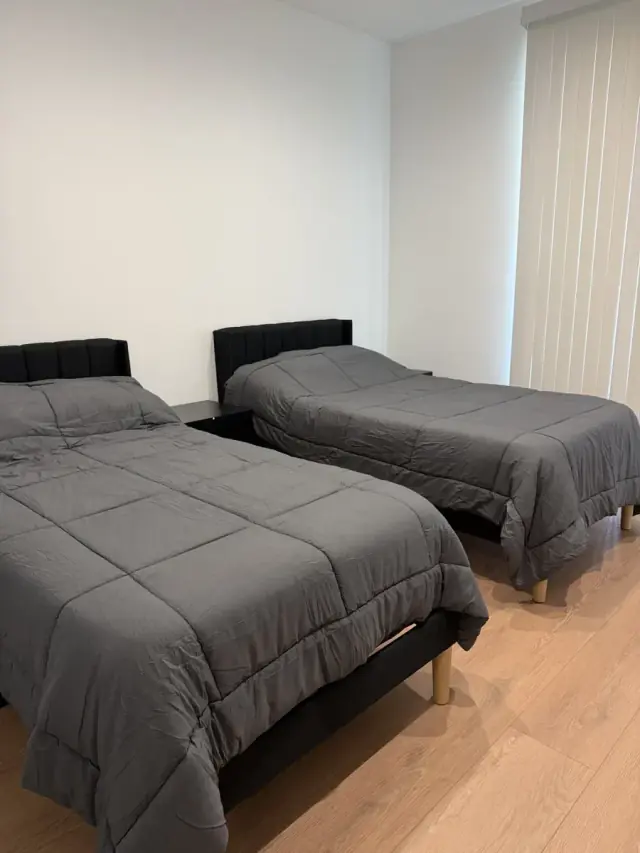
Living at Lumora for the length of the program, rather than going home each night.
-
Dual Diagnosis Care
Mental health conditions that occur with substance use, treated together with it.
-
Eating Disorder Support
Coordinated planning for eating disorders alongside substance use, including referral when that is safer.
-
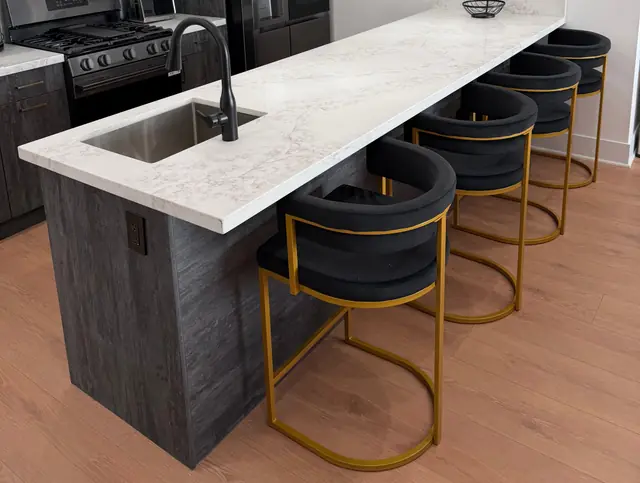
Aftercare Planning
A plan for life after Lumora, pointing to PHP, IOP, outpatient care, sober living or therapy near home.
-
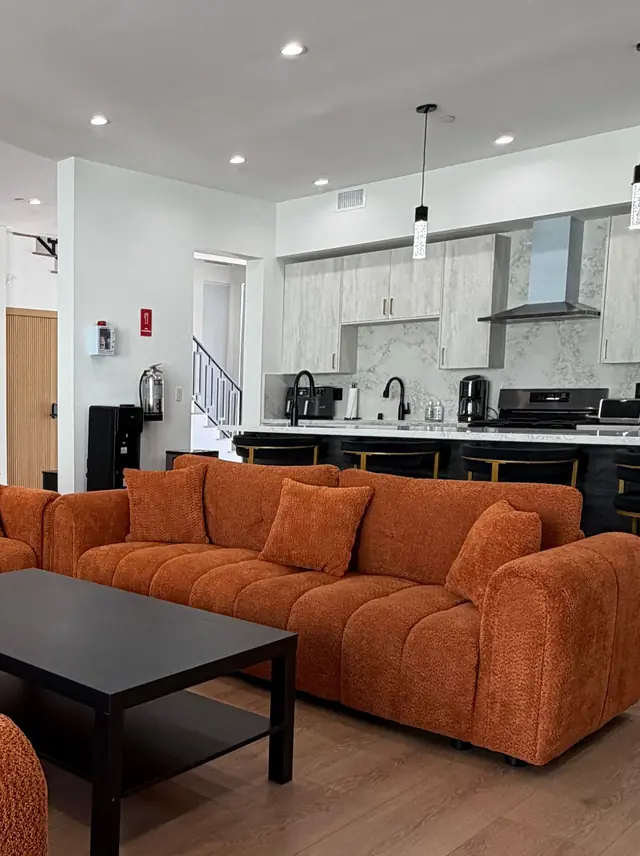
Tour the Residence
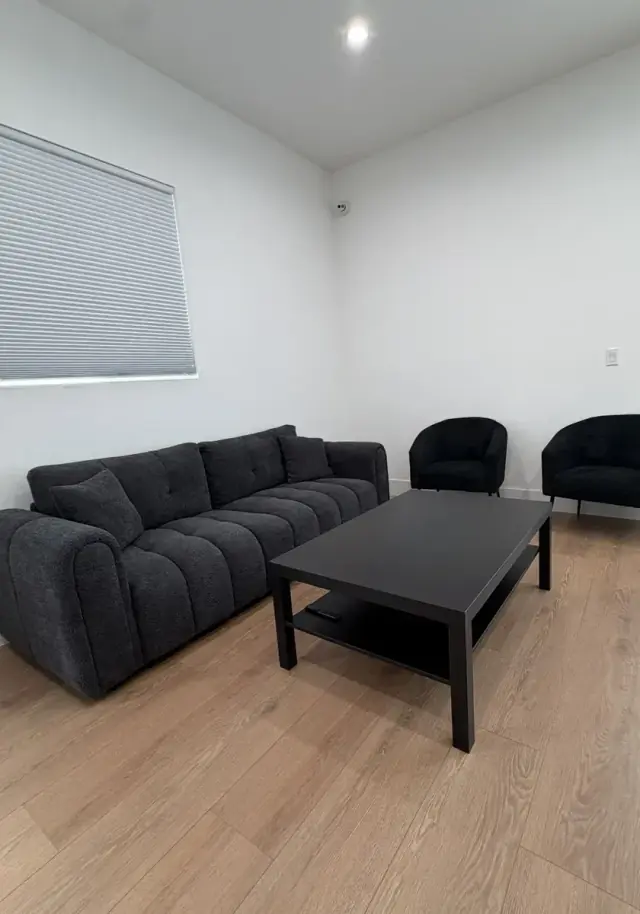
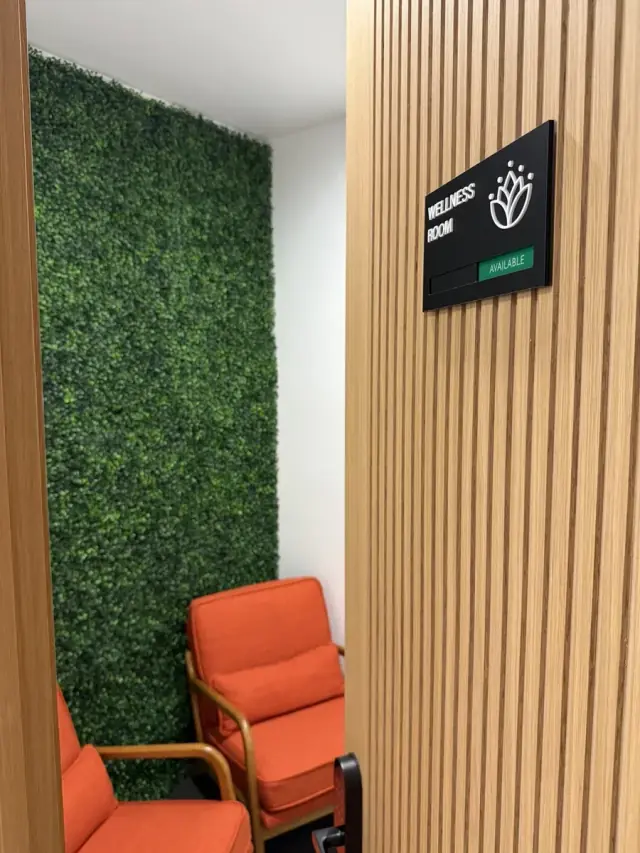
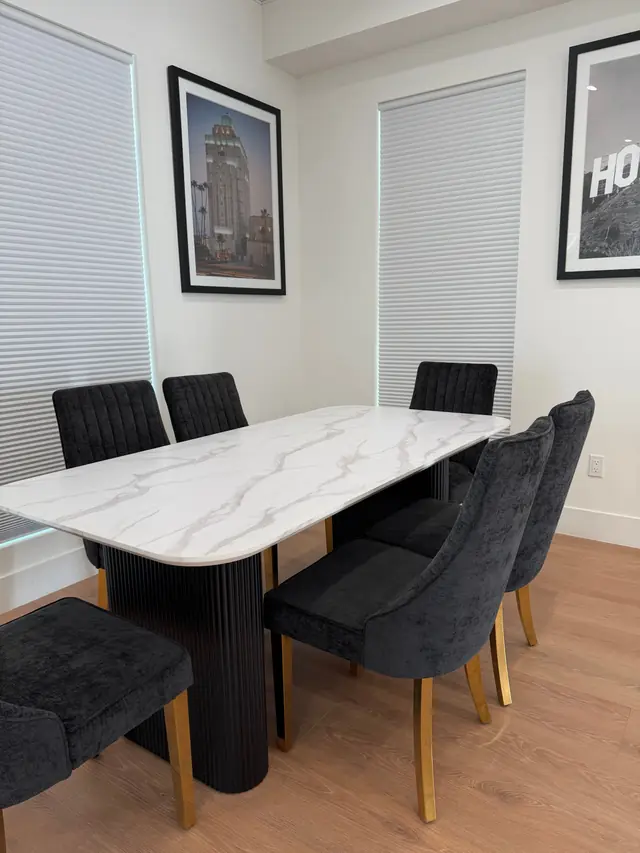
Bedrooms, lounges, the wellness room and the garden, photographed as they are.
Sources
- National Institute on Drug Abuse, Cannabis (Marijuana) research topic (September 2024)
- National Institute on Drug Abuse, Treatment research topic (June 2025)
- National Institute on Drug Abuse, Principles of Drug Addiction Treatment
- SAMHSA, Key Substance Use and Mental Health Indicators: Results from the 2025 National Survey on Drug Use and Health (July 2026)
- SAMHSA, Know the Risks of Marijuana (Marijuana and CBD)
- CDC, Cannabis Use Disorder
- CDC, Cannabis and Mental Health
- MedlinePlus, Cannabis (Marijuana)
- Federal Register, Final rule: Rescheduling of FDA-Approved Products Containing Marijuana From Schedule I to Schedule III (91 FR 22714, April 28, 2026)
- Federal Register, Notice of hearing: Rescheduling of Marijuana, Docket DEA-1362 (91 FR 22777, April 28, 2026)
- Federal Register, Rescheduling of Marijuana; Withdrawal of the 2024 hearing notice (91 FR 22778, April 28, 2026)
- California DHCS, SUD Recovery Treatment Facilities (state facility record)
- 988 Suicide and Crisis Lifeline
This page is for information and is not a substitute for medical, legal or insurance advice. Sources checked October 10, 2026.
Admissions, 24 hours a day
Marijuana rehab in Los Angeles, starting with an assessment rather than an assumption.
Call admissions at any hour. We will ask about the cannabis, anything used with it and how life at home is going, and tell you whether a residential stay at Lumora makes sense or whether outpatient care would serve better.