

Opioid rehab · Tarzana, CA
Opioid rehab in Los Angeles, planned around overdose risk.
Opioid rehab in Los Angeles at Lumora Recovery is residential treatment for opioid use disorder, including fentanyl addiction, in our Tarzana house licensed for six residents. It follows opioid detox. Tolerance falls during a stay, so the way someone leaves treatment matters as much as the treatment itself.
From opioid detox to opioid rehab
Withdrawal ends within days or weeks. Opioid use disorder does not. SAMHSA’s guide on medications for opioid use disorder (TIP 63) reports that short-term supervised withdrawal alone rarely works and that most people return to use; its expert panel advises against it as a stand-alone treatment.
Residential treatment is one way to keep going. SAMHSA describes it as fitting people whose opioid use disorder comes with other substance use problems, an unsettled place to live, or both. If withdrawal has not started yet, begin with our page on opioid detox, from prescription pills to methadone.
Last updated
The level of care
What residential treatment for opioid use disorder involves
Across the country, SAMHSA notes, residential programs typically combine housing with recovery support, counseling and case management. Some also start medication or provide mental health care on site.
At Lumora, that happens in one house on Wilbur Avenue, licensed by the state for six residents. Mental health conditions that occur with opioid use are assessed and treated alongside it. Aftercare planning is part of the stay.
How long it lasts is set by the assessment, not a calendar. For opioid use disorder, SAMHSA puts residential stays at anywhere from a week to several weeks or more, and NIDA notes that most people need at least three months of treatment in total, with residential care as one part of it.
Medicines
The three FDA-approved medicines for opioid use disorder
NIDA reports that people receiving methadone or buprenorphine are less likely to overdose or die, yet fewer than 1 in 5 people with opioid use disorder receive any of these medicines.
| Medicine | How it works | Where it comes from | Worth knowing |
|---|---|---|---|
| Methadone | A full opioid agonist that acts slowly and for a long time, easing withdrawal and craving | Only certified opioid treatment programs | Anyone already enrolled in a methadone program should say so on the first call |
| Buprenorphine | A partial agonist: eases withdrawal and craving with a weaker opioid effect | Prescribers in many settings; several forms | Starting it too early after a stronger opioid can bring on sudden withdrawal |
| Naltrexone | An antagonist that blocks the effects of opioids | Prescribers; often a monthly injection | Can bring on withdrawal if started before the person is fully off opioids |
General information from NIDA and SAMHSA, not a recommendation. Which medicine, if any, is a decision for a prescriber and the person. MedlinePlus notes these medicines can be taken for months, years or longer.
California law
Staying on methadone or buprenorphine in rehab: what the law says
California law answers this question directly.
No refusal over a prescription. Since 2019 (SB 992), a facility licensed by DHCS may not deny admission because someone has a valid prescription for medication-assisted treatment.
Medication on offer. Since SB 184 (2021), licensed residential programs must offer medication-assisted treatment on site or through an effective referral, under a policy approved by DHCS, and must give balanced information about the risks and benefits. The person’s preferred medication is allowed where their prescriber considers it beneficial.
Why it matters. SAMHSA warns that requiring people to stop methadone or buprenorphine can destabilize them and lead to overdose. Ask any program, Lumora included, how it applies these rules before admission.
Fentanyl and mixed use
Fentanyl, heroin and prescription opioids in treatment
Whatever the opioid, NIDA says the treatment is built from the same parts: FDA-approved medicine and behavioral therapy. What fentanyl changes is the danger. It is 50 to 100 times more potent than morphine, and illegally made fentanyl is pressed into counterfeit pills and mixed into heroin, cocaine and methamphetamine. Two pages go deeper on single drugs: treatment for fentanyl addiction, including counterfeit pills and treatment for heroin addiction and the health checks after injecting.
So someone may be using more than one substance without knowing it. Opioids combined with alcohol or benzodiazepines are a recognized overdose risk in federal guidance. When drinking is part of the picture too, our page on residential treatment for alcohol use disorder covers that side.
Leaving well
Leaving opioid rehab: what a transition plan should cover
MedlinePlus notes that most opioid overdose deaths happen in people who have recently detoxed, because tolerance falls. SAMHSA says the move out of residential care needs the same careful planning. Federal guidance points to four parts.
Overdose risk, said out loud
The person and family know that tolerance is lower than before and what that means for any use.
Medication continuity
If a medicine has helped, a good plan keeps it going without a gap. SAMHSA notes that leaving without it raises the risk.
Naloxone in the house
SAMHSA names people coming out of a period without opioids among those who may need naloxone, and advises keeping it on hand.
The next level of care
Outpatient treatment, therapy or another step down, planned near home. NIDA notes that staying engaged in care after residential treatment lowers the risk of relapse.
At Lumora, aftercare planning is part of the stay. How the plan is built is on our aftercare planning page.
At Lumora
Opioid rehab in Los Angeles, under a public state license
Lumora is licensed by the California Department of Health Care Services as a residential program with detoxification, License No. 191642AP, for six residents. The DHCS facility record shows it. The wider residential program is described on our residential treatment overview, and whether residential care is the right level at all is weighed up in residential or outpatient: how to decide.
We work with many PPO plans. Parity rules and prior authorization both affect what a plan pays for a residential stay; see how coverage for addiction treatment works.
Safety first
Suspected opioid overdose: call 911 and give naloxone.
If someone cannot be woken, is breathing slowly or not at all, or has pinpoint pupils, call 911, give naloxone if you have it, and stay until help arrives. For a mental health or substance use crisis, or thoughts of suicide, call or text 988 for the Suicide and Crisis Lifeline, any time.
FAQ
Questions families ask
What is the difference between opioid detox and opioid rehab?
Detox manages the withdrawal. Rehab treats the opioid use disorder itself. SAMHSA’s expert panel says withdrawal management on its own rarely works and should lead into ongoing treatment.
Who should consider residential treatment for opioid addiction?
SAMHSA’s guidance describes residential care as suited to people with opioid use disorder who also have other substance use problems, an unstable living situation, or both. An assessment makes the call.
Can someone stay on methadone or buprenorphine during residential treatment?
In California, a licensed facility cannot deny admission because someone has a valid prescription for medication-assisted treatment. SAMHSA advises families to ask, because being made to stop can destabilize a person and lead to overdose.
What does California require of licensed rehabs for opioid use disorder?
Under state law, licensed residential programs must offer medication-assisted treatment on site or through an effective referral, follow a DHCS-approved policy, and give balanced information about the options.
How long does treatment for opioid addiction last?
Residential care can last from a week to several weeks or more, according to SAMHSA. NIDA says most people need at least three months of treatment in total, across levels of care, and medication can continue far longer.
Why is leaving rehab a risky time for opioid overdose?
Time without opioids lowers tolerance. SAMHSA notes that people who leave residential care without medication are at higher overdose risk, which is why the transition needs careful planning.
Is fentanyl addiction treated differently from other opioid addiction?
The core treatment is the same: NIDA says fentanyl addiction is treated with the same FDA-approved medicines and behavioral therapy. What differs is the risk, because illicit fentanyl is so potent and often mixed into other drugs.
How common is opioid use disorder?
NIDA estimates about 5.7 million people in the United States had opioid use disorder in 2023. It also reports that fewer than 1 in 5 people with it receive medication for it.
Other ways we help
Care at Lumora
-
Medical Detox
Medically supervised withdrawal in the residence, leading straight into residential treatment.
-
Residential Treatment
Living at Lumora for the length of the program, rather than going home each night.
-
Dual Diagnosis Care
Mental health conditions that occur with substance use, treated together with it.
-
Eating Disorder Support
Coordinated planning for eating disorders alongside substance use, including referral when that is safer.
-
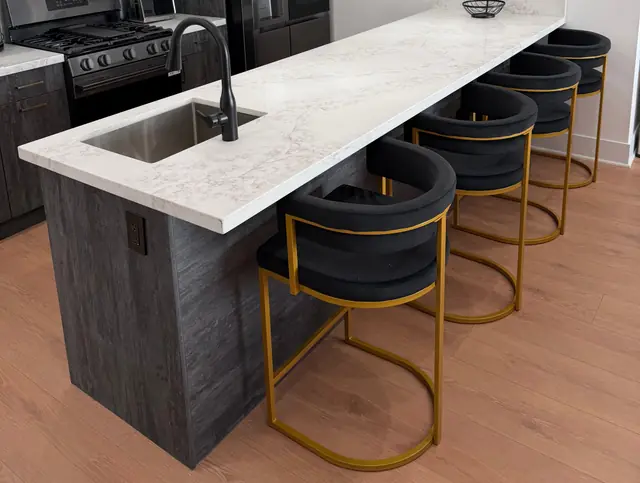
Aftercare Planning
A plan for life after Lumora, pointing to PHP, IOP, outpatient care, sober living or therapy near home.
-
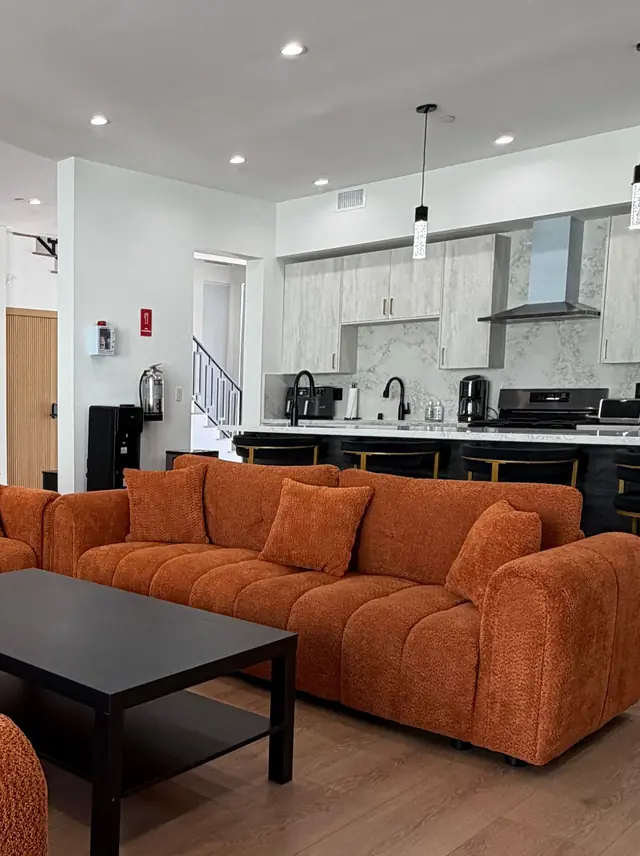
Tour the Residence
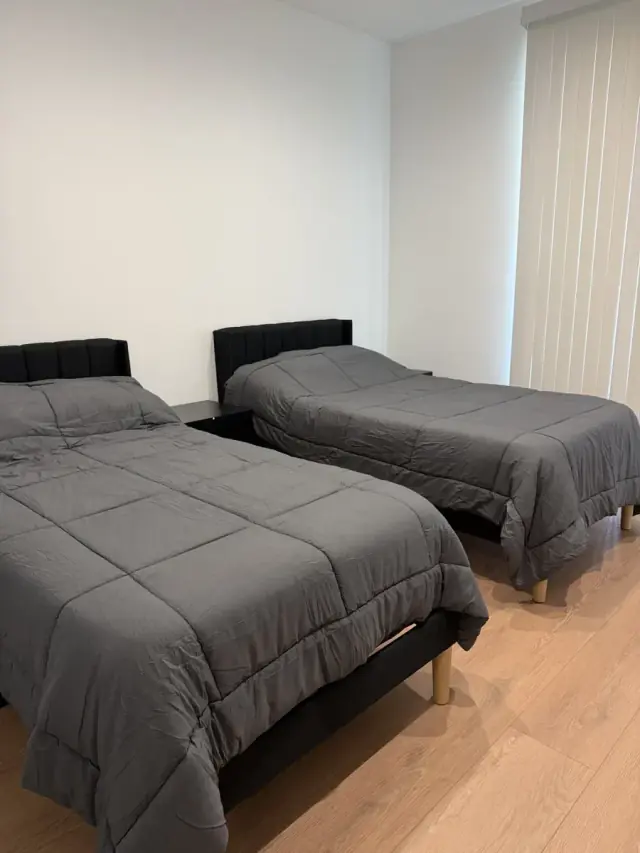
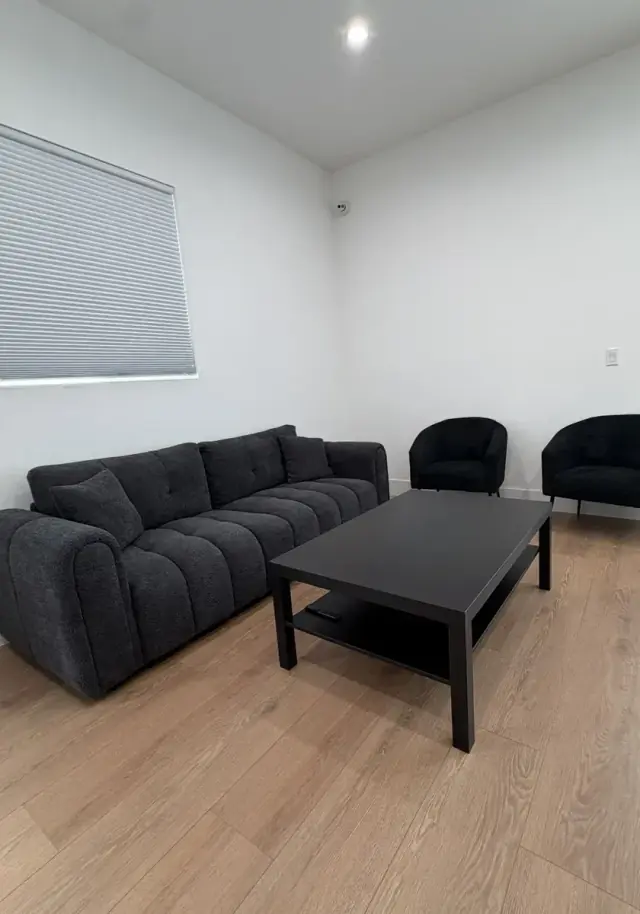
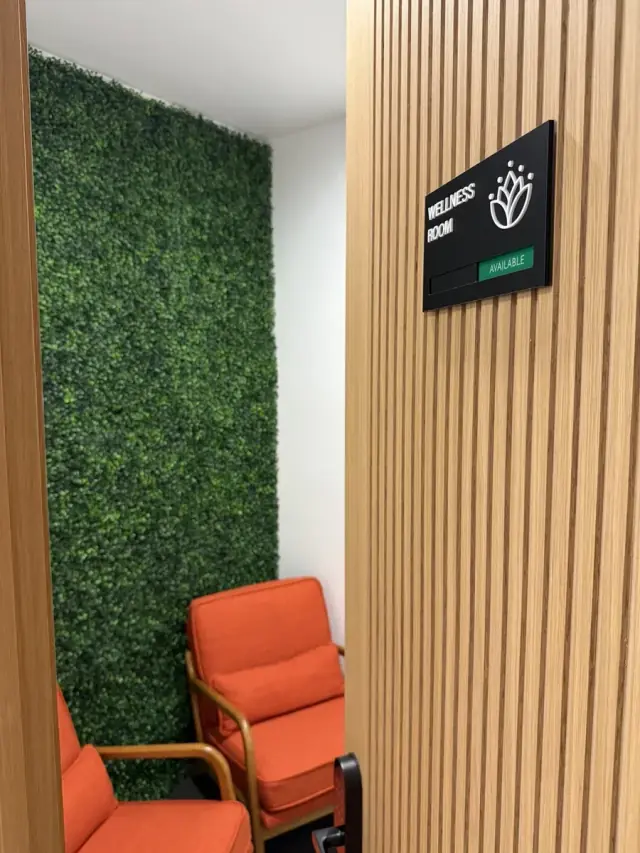
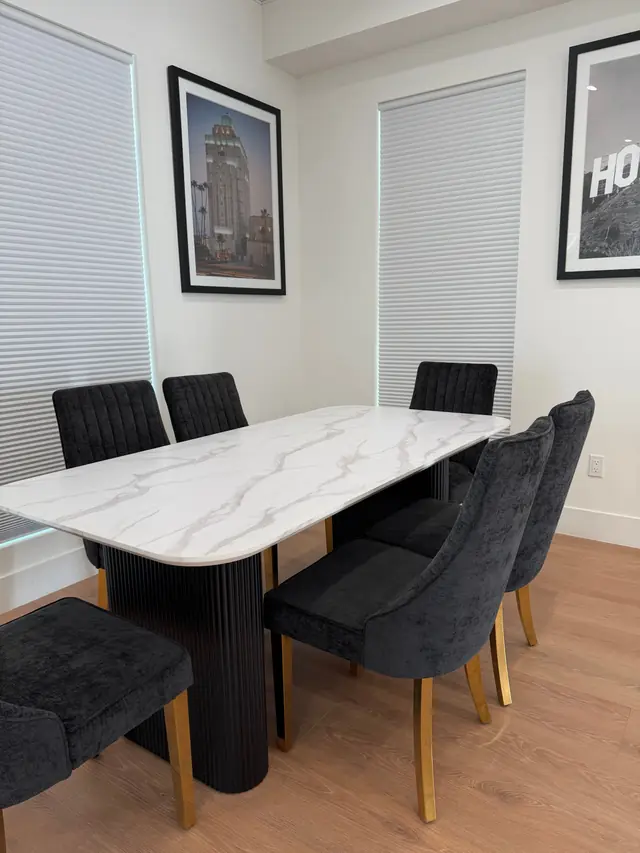
Bedrooms, lounges, the wellness room and the garden, photographed as they are.
Sources
- SAMHSA, TIP 63: Medications for Opioid Use Disorder (2021)
- National Institute on Drug Abuse, Medications for opioid use disorder
- National Institute on Drug Abuse, Opioids
- National Institute on Drug Abuse, Fentanyl
- FDA, Information about medications for opioid use disorder
- MedlinePlus, Opioid misuse and addiction treatment
- MedlinePlus, Opiate and opioid withdrawal
- SAMHSA, Opioid overdose reversal medications
- National Institute on Drug Abuse, Principles of Drug Addiction Treatment
- California DHCS, SB 184 requirements: MAT services in licensed SUD facilities (FAQ)
- California DHCS, SUD Recovery Treatment Facilities (state facility record)
- 988 Suicide and Crisis Lifeline
This page is for information and is not a substitute for medical, legal or insurance advice. Sources checked October 10, 2026.
Admissions, 24 hours a day
Opioid rehab in Los Angeles, with the exit planned as carefully as the stay.
Call admissions any time. Tell us what is being used and any current prescriptions, and we will talk through residential treatment at Lumora and what comes after.