
Prescription drug rehab · Tarzana, CA
Prescription drug rehab in Los Angeles, matched to the medicine and the reason for it.
Prescription drug rehab in Los Angeles treats the addiction that can grow from a medicine, after any withdrawal care, and the plan depends on the drug class. Opioid pain reliever addiction has three FDA-approved medicines; sedative and stimulant addiction, including Adderall, has none and relies on behavioral therapy. The pain or ADHD behind the prescription needs a plan too.
What is prescription drug rehab, and where does it begin?
Prescription drug rehab is treatment for a use disorder that involves a prescription medicine, whether the drug came from the person’s own doctor or from someone else. NIDA calls substance use disorders brain disorders that can be treated effectively, and says treatment has to account for both the drug and the person. It may combine detoxification, counseling and medicines where they exist, and some people need more than one course.
It usually starts with the body. NIDA’s principles describe medically assisted detox as only the first stage of treatment, and SAMHSA’s detox guidance says detox alone is not enough. The risks of that first stage differ sharply by class; they are set out in the withdrawal stage for each prescription drug class. At Lumora, when withdrawal care leads into residential treatment, the person stays in the same Tarzana house, with no transfer.
Last updated
What treatment involves
What does residential treatment for prescription drug addiction involve?
Residential treatment for prescription drug addiction combines behavioral treatment with medication where an approved one exists, while the person lives at the program. NIDA names those as the two main categories of prescription drug addiction treatment.
Behavioral treatments, in NIDA’s description, help people change unhealthy patterns of thinking and behavior, learn ways to manage cravings and avoid triggers, and sometimes earn incentives for staying off the drug. They can be delivered one to one, with family, or in groups. Cognitive behavioral therapy and contingency management are the two NIDA names first.
Why does the whole person matter, not only the drug?
The fourth of NIDA’s treatment principles says effective care attends to multiple needs: the medical, psychological, social, vocational and legal problems that travel with drug use. With prescription drugs, the medical need that led to the prescription is often the largest of these.
When is a residential setting worth considering?
NIDA’s principles describe most people as needing at least three months of treatment in total, with intensity changing as needs change, and residential care is one stage of that. Whether living at a program suits someone is settled at assessment, taking in the drugs involved, how steady home is and what has been tried before. The levels of care are compared side by side in deciding between living in and getting treatment from home.
From prescription to problem
How does a valid prescription turn into an addiction?
A prescription can become an addiction when the medicine starts being taken other than as prescribed. NIDA’s principles give three examples: opioid pain relievers, stimulants prescribed for ADHD, and benzodiazepines prescribed for anxiety or sleep.
The FDA’s 2023 safety communication on prescription stimulants says that even use for an approved purpose can lead to misuse, and the label for Adderall XR describes a high potential for abuse and misuse that can lead to a substance use disorder, including addiction. NIDA defines misuse as taking a medicine in a different way or dose than prescribed, taking someone else’s prescription, or taking it to get high. A short self-check on what counts as misuse sits on our detox page.
Is needing a higher dose a sign of addiction?
Not on its own. NIDA notes that physical dependence can develop with many prescription drugs taken exactly as instructed, and that dependence by itself is not addiction. With pain medicines in particular, needing more can reflect tolerance or a worsening of the underlying problem. That is why the next question, how a disorder is judged, matters so much.
When the medicine was prescribed
How a use disorder is judged when the medicine was prescribed
A prescribed medicine can lead to a use disorder, but tolerance and withdrawal are not counted toward it when the drug is taken as directed. SAMHSA’s national survey treats both as normal adaptations to supervised use and counts a disorder only when at least two of the other nine criteria are met.
| Type of use disorder | Mild | Severe |
|---|---|---|
| Stimulant use disorder from prescribed use only | 82.5% | 5.4% |
| Stimulant use disorder from misuse, or from cocaine or methamphetamine | 29.8% | 47.9% |
| Opioid use disorder from prescribed use only | 82.6% | 4.3% |
| Opioid use disorder linked to misuse | 32.0% | 38.4% |
SAMHSA, Key Substance Use and Mental Health Indicators: Results from the 2025 National Survey on Drug Use and Health. Shares of people with each type of use disorder; the remainder were moderate. Survey figures, not a diagnosis; a clinician makes the diagnosis.
What does this mean for a family?
Being dependent on a medicine that was prescribed is common and is not the same as being addicted to it. When a use disorder grows out of prescribed use alone, the 2025 survey found it was usually mild. When misuse or an illicit stimulant was involved, close to half of stimulant use disorders were severe, and more than a third of opioid use disorders linked to misuse were. Loss of control, use that carries on despite harm, and use outside the prescription are what treatment is aimed at. Someone dependent but in control needs a plan with the prescriber; someone who has lost control may need treatment as well. For benzodiazepines specifically, see whether taking a benzodiazepine exactly as prescribed means addiction.
Treatment by class
How does treatment differ for opioids, sedatives and stimulants?
Treatment differs mainly in whether an approved medicine exists. NIDA reports approved medicines for prescription opioid addiction but none for sedative or stimulant addiction, and its principles note that treatment for a prescription drug tends to resemble treatment for illicit drugs acting on the same brain systems.
| Class | FDA-approved medicine for the addiction? | What treatment is built on | Where to read more here |
|---|---|---|---|
| Opioid pain relievers | Yes: buprenorphine, methadone and naltrexone | Medicine, usually with behavioral support | Our opioid rehab page |
| Sedatives and tranquilizers, including benzodiazepines | None | A gradual, medically supervised reduction, then counseling; CBT has helped people adjust to stopping benzodiazepines | Our benzodiazepine rehab page |
| Prescription stimulants, such as Adderall | None | Behavioral therapies that work for cocaine and methamphetamine, such as contingency management and CBT; a taper may come first | The next section of this page |
From NIDA’s research report on prescription drug misuse, NIDA’s Principles of Drug Addiction Treatment and SAMHSA’s TIP 33. Which medicine, if any, is a decision for a prescriber and the person.
For opioid pain relievers, the three medicines, how each works and California’s rules on medication in licensed programs are covered in rehab for opioid use disorder and the medicines that treat it. For Xanax, Klonopin, Valium, Ativan and other sedatives, the plan for the sleep or anxiety problem and the question of whether a long-term prescription has to end are on our page about benzo rehab and the plan for sleep and anxiety.
Many people misuse more than one prescription, or drink alongside one. NIDA says that when sedative misuse comes with alcohol or opioid use, treatment should address each addiction, and a plan built around one drug while another goes unexamined leaves part of the problem untreated. Drinking brings withdrawal risks of its own, explained in why stopping heavy drinking can need medical care, and alprazolam has its own page on Xanax withdrawal, including the XR form.
Stimulants
How is Adderall or other prescription stimulant addiction treated?
Treatment for Adderall addiction is behavioral, because no medicine is approved for it. NIDA says treatment for prescription stimulant addiction, including Adderall and Concerta, draws on the behavioral therapies that work for cocaine and methamphetamine, and SAMHSA’s guide to stimulant use disorders confirms that no FDA-approved medicine exists.
NIDA describes the first steps as possibly tapering the dose and easing withdrawal, then moving into behavioral treatment. MedlinePlus advises against stopping dextroamphetamine and amphetamine without the doctor, especially after overuse, and says the doctor will usually lower the dose gradually and monitor the person.
Which behavioral therapies carry stimulant treatment?
NIDA’s cocaine research points to contingency management and cognitive behavioral therapy, and with no medicine to lean on, these therapies are the core of stimulant treatment. How they work is explained on our pages about cocaine rehab and reward-based therapy and meth rehab, linked in the questions below.
Why is low mood the main risk in stimulant withdrawal?
SAMHSA’s guide on stimulant use disorders says the greatest risk during stimulant withdrawal is harm to oneself, not a physical emergency. It recommends regular checks on self-harm risk and a safety plan. MedlinePlus adds that stopping suddenly after overuse may cause severe depression and extreme tiredness. Low mood is the thing to watch, and thoughts of suicide are a reason to call 988 at once. Cocaine and methamphetamine follow a similar pattern, set out in cocaine withdrawal and the low that follows it and meth withdrawal, mood and sleep.
Who is most affected?
In SAMHSA’s 2025 survey, stimulant use disorder, which includes cocaine and meth, was equally common among adults 18 to 25 and adults 26 or older (1.6% each) and lower among adolescents (0.8%); it is not a figure for prescription stimulants alone. NIDA’s figures on Adderall misuse among high school seniors are in the questions below. These are national figures, and the assessment decides whether residential treatment at Lumora fits any one person.
The original reason
What happens to the pain or ADHD the medicine was prescribed for?
The pain or ADHD still needs a plan, led by the clinician who treats it. NIDA’s principles say effective treatment covers the medical and psychological needs around drug use, and for a prescription drug the condition behind the prescription is usually the first of those.
| Original reason | What federal guidance says | Who to involve |
|---|---|---|
| Acute pain | The CDC’s 2022 guideline says non-opioid therapies are at least as effective as opioids for many common types of acute pain, and asks clinicians to make full use of non-drug and non-opioid options. | The clinician treating the injury or condition |
| Subacute or chronic pain | The same guideline prefers non-opioid therapies, using opioids only when the expected benefit for pain and function outweighs the risk. Non-drug options it names include exercise therapy, physical therapy, CBT, mindfulness-based stress reduction, yoga, tai chi, massage, acupuncture and multidisciplinary rehabilitation. | The prescriber or pain specialist, with the person |
| ADHD | NIMH describes standard treatment as medication and psychosocial interventions, such as CBT, parent training and school support. The FDA asks patients to tell the prescriber if a stimulant is causing problems. | The prescriber, told about any misuse |
| Anxiety or sleep problems | Covered on our benzodiazepine rehab page, including CBT for insomnia and talk therapy for anxiety. | The prescriber or therapist |
General information from the CDC, NIMH, the FDA and NIDA, not a treatment plan, and no medicine names or doses are given. The CDC guideline is voluntary and written for clinicians. Ask any program, Lumora included, how it involves the clinician who manages the original condition.
For pain medicines, the FDA’s 2025 safety communication warns against stopping opioids suddenly in someone who is physically dependent; the reasons, and the difference between a prescriber’s taper and detox, are on coming off opioid pain medicine with the prescriber or in detox. When pain pills gave way to street fentanyl, the withdrawal stage that follows is described in fentanyl withdrawal and its medical phase.
Can ADHD and a stimulant use disorder both be treated?
Each needs attention, and the ADHD decision stays with the prescriber. NIMH notes that teens and adults with ADHD are more likely to engage in risky behavior, including substance use. No federal source we rely on sets a rule on whether or when a stimulant should be restarted after a use disorder, so a program should never promise an answer to that before the prescriber is involved. When a mental health condition is part of the picture, the assessment decides whether both can be treated together at Lumora or need another setting first; dual diagnosis care and prescription drug use explains more.
The national picture
How common are prescription drug use disorders?
Prescription drug use disorders affect millions of Americans. SAMHSA’s 2025 survey counted 44.6 million people aged 12 or older with any substance use disorder; the rows below show the classes that include prescription drugs. These are use disorders, a narrower group than everyone who misused a medicine.
| Use disorder | 2025 (SAMHSA) | 2021, prescription drugs only (NIDA) |
|---|---|---|
| Opioids | About 4.0 million (any opioid, prescription or illicit) | About 5.0 million (prescription opioids) |
| Tranquilizers or sedatives | About 1.7 million (prescription) | About 2.2 million |
| Stimulants | About 4.5 million (includes cocaine and methamphetamine) | About 1.5 million (prescription stimulants) |
SAMHSA, 2025 National Survey on Drug Use and Health; NIDA, What is the scope of prescription drug misuse in the United States? (2021 survey data). NIDA notes the pandemic affected 2021 data collection, and the two columns measure different groups, so they are not a trend line.
A use disorder that began with a legitimate prescription is no reason to delay treatment, and it is a reason to make sure the plan covers the original need.
Older adults
Is prescription drug addiction treated differently in older adults?
The treatment is largely the same, and it can work as well. NIDA notes that substance problems in older adults often go unrecognized and untreated, while the treatment available can be as effective for them as for younger adults.
The harder part is noticing. Prescribers are asked by NIDA to screen, monitor and educate patients about following instructions and safeguarding medicines, and reviewing every prescription with the doctor is a reasonable place to start for an older relative. Benzodiazepines carry particular risks in later life; the federal figures and the falls and memory concerns are on the page on older adults and benzodiazepine treatment.
After treatment
What should happen with medicines and prescribers after treatment?
Every clinician should know about every medicine, and no dose should change without the prescriber. NIDA asks patients to tell each clinician about all prescriptions, over-the-counter medicines and supplements, to follow label directions, and to learn how their medicines interact with other drugs and alcohol.
NIDA also asks patients never to stop or change a dose without talking to the doctor, and never to share a prescription. MedlinePlus repeats the warning about changing a dose alone. At home, leftover pills are a risk to everyone in the house; the four steps for locking up, never sharing and disposing of them are on the prescription detox page’s storage and disposal card.
What does continuing care look like?
NIDA’s principles say plans should be reviewed and adjusted, that continuing care with changing intensity works for many people, and that a return to use is a reason to resume or change treatment rather than abandon it. For someone leaving residential care, that usually means outpatient counseling, the clinician managing pain or ADHD, and support near home. The way Lumora puts that plan together is described in how aftercare plans are built before discharge.
Before you choose
What should you ask any prescription drug rehab?
Seven questions built from NIDA, SAMHSA, CDC and California guidance. Put them to every program you are considering, Lumora included.
- Which drug class is the plan built around, and does it follow the evidence for that class?NIDA describes different treatment for opioids, sedatives and stimulants.
- For opioid pain relievers, can medication for opioid use disorder start or continue during the stay?California law bars licensed facilities from denying admission because of a valid prescription for medication-assisted treatment.
- For Adderall or another stimulant, which behavioral therapies does the program use?NIDA and SAMHSA point to contingency management and CBT, since no medicine is approved.
- Who stays in touch with the doctor treating the pain or ADHD, and with what written permission?The CDC and NIMH both describe the original condition as needing its own ongoing care.
- How are several prescriptions, or drinking alongside them, handled in one plan?NIDA says that when sedative misuse comes with alcohol or opioids, each addiction needs treatment.
- How does the program tell physical dependence apart from a use disorder?SAMHSA does not count tolerance or withdrawal from prescribed use toward a disorder.
- Does California’s facility data list the program, and at what level of care?Lumora: DHCS License No. 191642AP, residential with detoxification, incidental medical services approved.
At Lumora
Prescription drug rehab in Los Angeles: where does Lumora fit?
Lumora is a residential program with detoxification in a house on Wilbur Avenue in Tarzana, licensed by the state for six residents. Its license covers both the medical phase of withdrawal and residential treatment at that address, so one can lead into the other without a move.
California’s Department of Health Care Services lists Lumora under DHCS License No. 191642AP, with approval for incidental medical services. DHCS grants that approval to licensed residential programs so that limited medical care connected with detox and treatment, such as health monitoring, withdrawal-related testing and oversight of medicines residents take themselves, can be given by or under a licensed practitioner; care that belongs in a licensed health facility is outside it. Open Lumora’s listing in the state’s facility data. DHCS also publishes its list of licensed and certified facilities, so any program can be checked the same way.
Does withdrawal start at Lumora or in a hospital?
That is the assessment’s call. It asks about each medicine, how it was obtained, how it has been taken and what else is used, and when the answers point to hospital-level care, the hospital comes first. The rest of the residential program is described on Lumora’s residential treatment hub.
We work with many PPO plans, and a phone check of your plan’s benefits is the place to start. Federal parity law generally requires a plan that covers addiction treatment not to limit it more strictly than comparable medical care; how parity and plan rules apply to addiction treatment explains it. Our guide to how deductibles and allowed amounts shape the bill for a stay covers the rest.
Safety first
A person who will not wake, a racing heart or talk of suicide: call for help now.
Call 911 if someone cannot be woken or is breathing slowly after pain pills or sedatives, or has a seizure, a fast or irregular pulse, severe agitation or confusion after a stimulant. Stay with them until help arrives. If someone is in crisis or speaking of suicide, call or text 988 for the Suicide and Crisis Lifeline, open at every hour.
Do not stop or change a prescribed medicine on your own; call the prescriber. For sedatives and opioid pain medicines in particular, the FDA warns that an abrupt stop carries real danger.
FAQ
Questions families ask
Is there a medicine for Adderall addiction?
No. NIDA reports that the FDA has approved no medication for addiction to prescription stimulants, and SAMHSA’s stimulant guide says the same for stimulant use disorders generally. Treatment draws on the behavioral therapies used for cocaine and methamphetamine, sometimes after a doctor first lowers the dose. Those behavioral therapies are explained in depth on meth rehab and the therapies stimulant treatment relies on.
Can a prescription drug use disorder be diagnosed if I never misused my prescription?
It can, but the bar is different. In SAMHSA’s national survey, tolerance and withdrawal do not count toward a use disorder for someone taking a medicine as directed, because both are normal adaptations to supervised use. Two or more of the other criteria are needed, and most such cases in 2025 were mild.
What happens to my pain treatment if I go to rehab for pain pills?
The pain still needs a plan, made with the clinician who treats it. The CDC’s 2022 guideline prefers non-opioid approaches for subacute and chronic pain and lists options such as exercise therapy, physical therapy and CBT. The FDA warns against abruptly stopping opioids in someone who is physically dependent.
What happens to ADHD treatment after rehab for stimulant misuse?
That decision belongs to the prescriber, who should hear about the misuse. NIMH describes standard ADHD care as medication together with psychosocial support such as CBT, parent training and school interventions. No federal source we use sets a rule on restarting a stimulant after a use disorder.
How many people have a prescription drug use disorder?
In 2025, SAMHSA counted about 4.0 million people aged 12 or older with an opioid use disorder and 1.7 million with a prescription tranquilizer or sedative use disorder. NIDA’s 2021 figures put prescription stimulant use disorder at about 1.5 million.
How long is rehab for prescription drugs?
No federal source sets a length for prescription drug rehab. NIDA’s principles say most people need at least three months of treatment in total, across levels of care. The assessment sets the plan for the residential part.
Can someone keep a pain or ADHD prescription during rehab?
No federal rule we found settles it either way. NIMH and the CDC describe ADHD and pain as conditions that need ongoing care of their own, so the decision belongs to the prescriber and the person, with every clinician told about every medicine. Ask any program, Lumora included, how it handles a current prescription before admission. Questions like this are part of what admissions asks on the first call.
How common is Adderall misuse among high school seniors?
NIDA reports that 3.4% of high school seniors misused Adderall in the past year in 2022. The FDA asks anyone prescribed a stimulant never to share it and to tell the prescriber if it is causing problems.
Is it too late for an older adult to benefit from treatment?
No. NIDA notes that substance problems in older adults often go unrecognized and untreated, yet the treatment available can work as well for them as for younger adults.
What is the difference between prescription drug detox and prescription drug rehab?
Detox manages withdrawal as a medicine leaves the body. Rehab treats the use disorder itself, with behavioral therapy and, for opioids, medication where it fits, along with a plan for the condition the drug was prescribed for. NIDA calls detox only the first stage.
Other ways we help
Care at Lumora
-
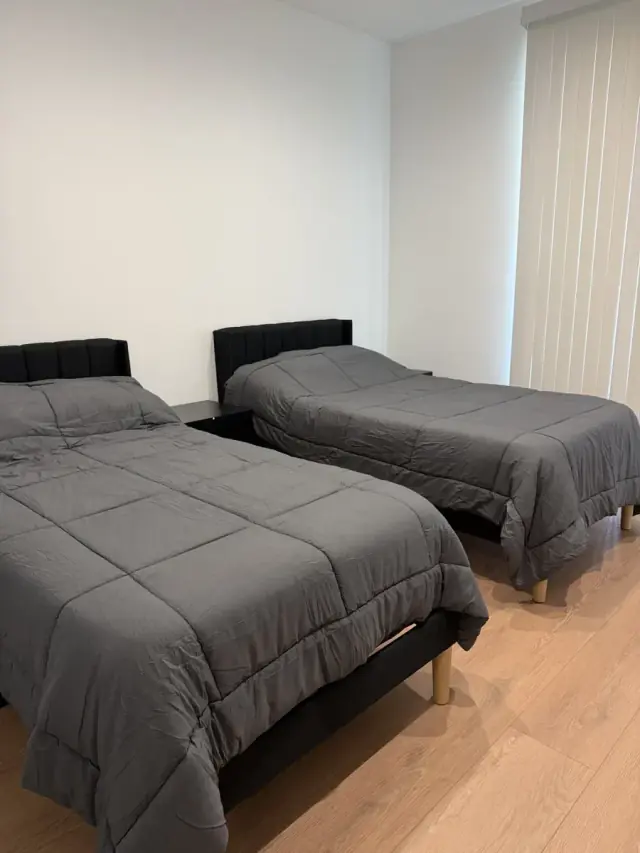
Medical Detox
Medically supervised withdrawal in the residence, leading straight into residential treatment.
-
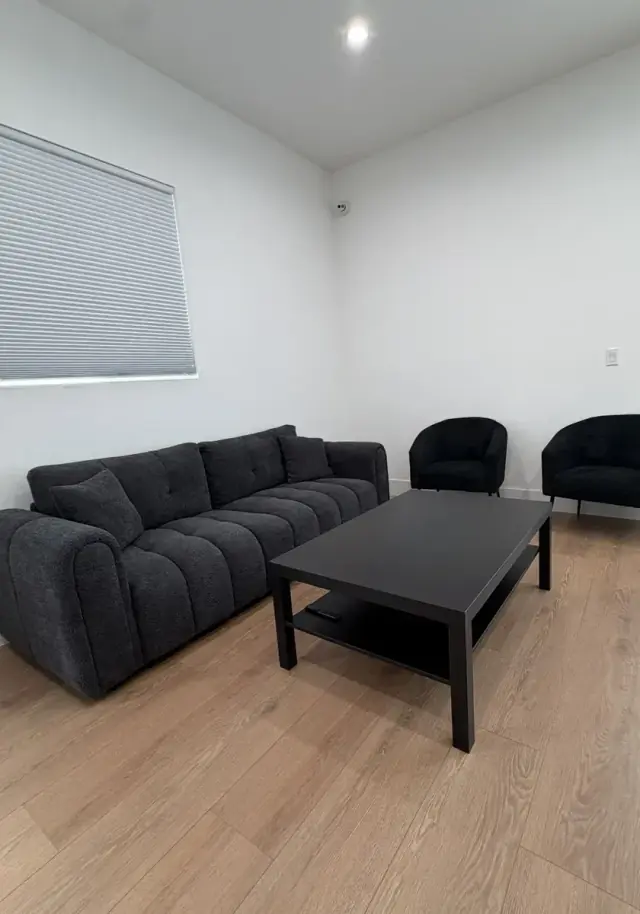
Residential Treatment
Living at Lumora for the length of the program, rather than going home each night.
-
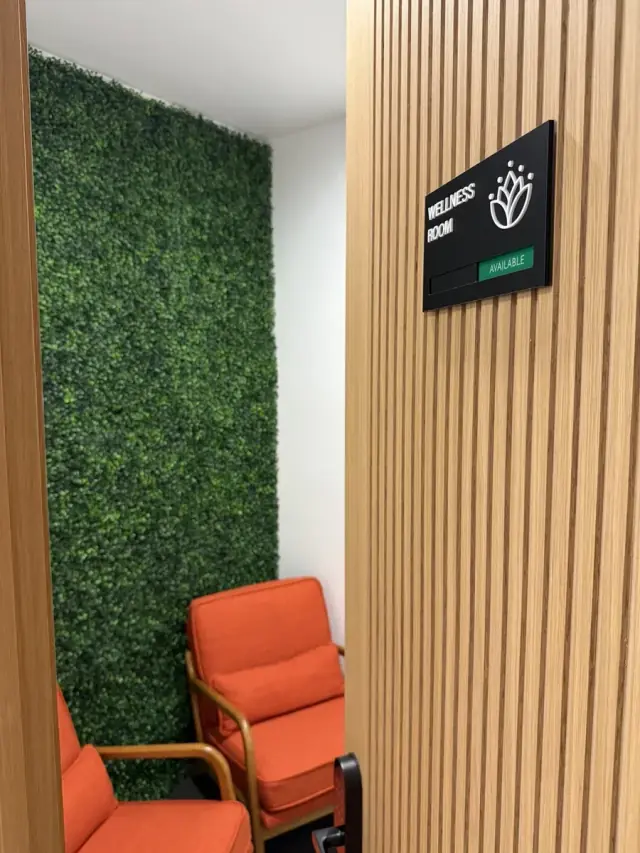
Dual Diagnosis Care
Mental health conditions that occur with substance use, treated together with it.
-
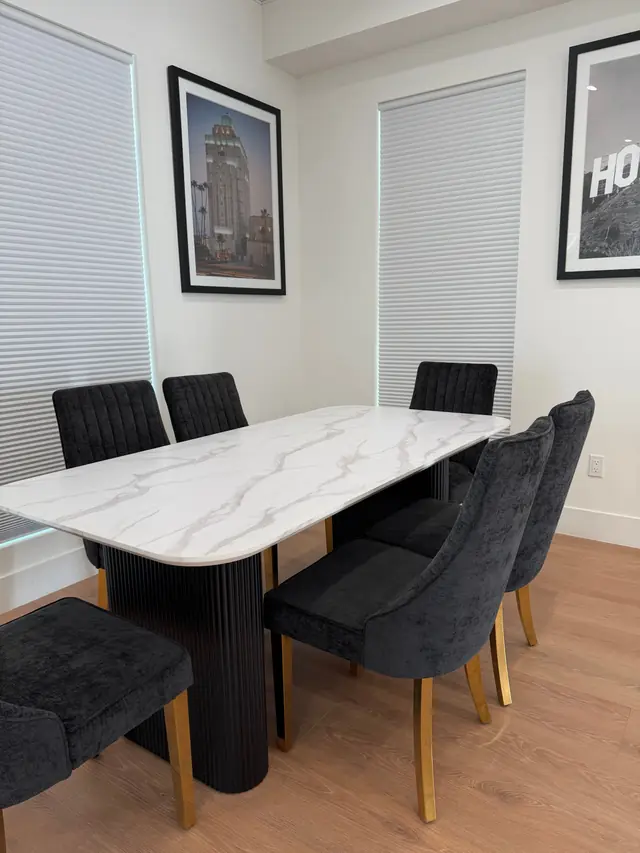
Eating Disorder Support
Coordinated planning for eating disorders alongside substance use, including referral when that is safer.
-

Aftercare Planning
A plan for life after Lumora, pointing to PHP, IOP, outpatient care, sober living or therapy near home.
-
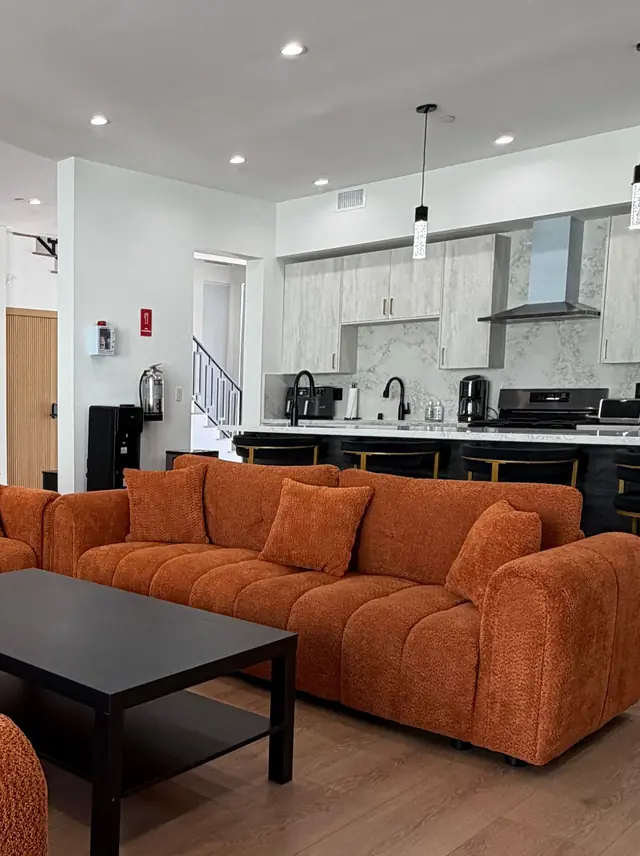
Tour the Residence
Bedrooms, lounges, the wellness room and the garden, photographed as they are.
Sources
- National Institute on Drug Abuse, How can prescription drug addiction be treated?
- National Institute on Drug Abuse, Misuse of Prescription Drugs Research Report: overview
- National Institute on Drug Abuse, What is the scope of prescription drug misuse in the United States?
- National Institute on Drug Abuse, How can prescription drug misuse be prevented?
- National Institute on Drug Abuse, Principles of Drug Addiction Treatment, 3rd edition
- National Institute on Drug Abuse, Cocaine
- SAMHSA, Key Substance Use and Mental Health Indicators: Results from the 2025 National Survey on Drug Use and Health (July 2026)
- SAMHSA, TIP 33: Treatment for Stimulant Use Disorders (2021)
- SAMHSA, Detoxification and Substance Abuse Treatment (TIP 45 quick guide)
- CDC, Clinical Practice Guideline for Prescribing Opioids for Pain (2022)
- National Institute of Mental Health (NIH), Attention-deficit/hyperactivity disorder
- FDA, Drug safety communication on boxed warning for prescription stimulants (May 2023)
- FDA, Adderall XR prescribing information
- FDA, Drug safety communication on opioid pain medicine labeling for long-term use (July 2025)
- FDA, Boxed warning updated to improve safe use of benzodiazepine drug class (2020)
- MedlinePlus, Dextroamphetamine and amphetamine
- MedlinePlus, Prescription drug misuse
- California DHCS, SB 184 requirements: MAT services in licensed SUD facilities (FAQ)
- CMS, The Mental Health Parity and Addiction Equity Act
- California DHCS, Incidental Medical Services
- California DHCS, Licensing and certification: facility licensing
- California DHCS, SUD Recovery Treatment Facilities (state facility record)
- 988 Suicide and Crisis Lifeline
This page is for information and is not a substitute for medical, legal or insurance advice. Sources checked October 10, 2026.
Admissions, 24 hours a day
Prescription drug rehab in Los Angeles that keeps the original diagnosis in mind.
Call admissions whenever suits you. Tell us which medicines are involved and why they were prescribed, and we will talk through whether residential treatment at Lumora fits, or what might fit better.