
Ketamine rehab · Tarzana, CA
Ketamine addiction treatment in Los Angeles, for ketamine misuse.
Ketamine addiction treatment in Los Angeles at Lumora Recovery is residential care, in a licensed Tarzana house, for people whose ketamine use is hard to control. This page covers treatment for ketamine misuse, not ketamine given as a therapy. No medicine is FDA approved for ketamine addiction, so treatment is behavioral, and an assessment decides whether residential care fits.
Where ketamine misuse starts now
Ketamine reaches people by three routes: recreational use, clinics and prescriptions. NIDA notes that it has been used recreationally for decades, particularly at nightclubs and festivals. Dozens of clinics across the country also offer it off-label for depression, anxiety and other conditions, in oral form, as a nasal spray or by injection, sometimes alongside talk therapy, and it is increasingly prescribed as an alternative to opioids for pain.
So a person whose use has become a problem may have started at a party, at a clinic or with a prescription. The questions a family needs answered differ with each route, which is why this page starts with the kind of ketamine involved before it turns to risks, stopping and treatment.
Last updated
Know the product
What is ketamine, and why does the kind matter?
Ketamine is a dissociative anesthetic, used in humans and animals, that NIDA says was developed as a less toxic alternative to PCP. It works by blocking NMDA receptors in the brain, part of the glutamate system that NIDA says plays a major role in learning, memory, emotion and pain, which can leave a person feeling detached from their surroundings and their body.
| Kind | What it is | FDA status | Where it is used | The main concern |
|---|---|---|---|---|
| Ketalar (ketamine injection) | The original anesthetic, given by injection into a vein or muscle | Approved as an anesthetic; Schedule III | Hospitals, procedures and surgery | The label warns of misuse, dependence, tolerance and bladder harm with chronic use |
| Spravato (esketamine nasal spray) | A nasal spray containing esketamine, a form of ketamine | Approved for treatment-resistant depression in adults and for depressive symptoms with acute suicidal thoughts in major depression | Only certified outpatient settings, under the Spravato REMS safety program | Boxed warning for sedation, dissociation, slowed breathing, misuse and suicidal thoughts |
| Compounded ketamine | Oral, under-the-tongue or nasal products mixed by a pharmacy, sometimes obtained through telehealth | Not FDA approved for any psychiatric disorder; not under a REMS | Can be used at home, without on-site monitoring | FDA warned in October 2023 about misuse, psychiatric effects, raised blood pressure, slowed breathing and bladder symptoms |
| Illicit ketamine | Liquid or off-white powder sold as Special K, K, Super K or Vitamin K | None; outside any medical oversight | Clubs, parties and elsewhere | Unknown contents and strength; possibly mixed with other drugs or replaced by a lookalike |
From the FDA labels for Ketalar (October 2025) and Spravato (April 2025), the Spravato REMS record, the FDA’s October 2023 compounding alert and NIDA’s ketamine summary. General information, not medical advice.
The kind matters to treatment because each one raises different questions. Someone who began with Spravato in a certified clinic has a prescriber and a diagnosis of depression in the picture. Someone using compounded troches from a website may have started for depression too, without the monitoring the FDA expects. Someone buying powder may not know what they are taking at all. Search results for ketamine in Los Angeles mix clinics that give it as a treatment with programs that help people stop misusing it, so it is worth checking which kind of service a page describes.
Is ketamine safe because doctors use it?
Medical use comes with controls that misuse lacks. The FDA approved ketamine as an anesthetic given into a vein or muscle, in settings where breathing and alertness are watched. Spravato is used only in certified clinics, with at least two hours of monitoring after every dose, and it is not approved for use in children. The FDA’s 2023 alert explained the concern with unmonitored use: without checks for sedation, dissociation and changes in vital signs, patients may be put at risk. Illicit ketamine comes with none of those safeguards, and with no way to know the dose.
When did ketamine become a controlled substance?
A DEA final rule published in the Federal Register on July 13, 1999, and effective August 12, 1999, placed ketamine, its salts, isomers and salts of isomers in Schedule III of the Controlled Substances Act. Both FDA labels carry the CIII marking, and esketamine is Schedule III as well. The schedule reflects federal control of the drug, and it says nothing reassuring about use outside medical care.
What is 2-FDCK, and why does it matter?
2-fluorodeschloroketamine (2-FDCK) is a lookalike drug with effects similar to PCP and ketamine. A DEA temporary order placed it in Schedule I from May 22, 2026 until May 22, 2028, after it was found in 61 drug seizures across 12 states since 2018 and in three overdose cases in the United States. It has no approved medical use, and online users have compared it to ketamine since 2015. For a family, the point is that powder sold as ketamine may be something else.
The problem
What is ketamine addiction?
Ketamine addiction is a pattern of continued ketamine use that a person struggles to control despite the harm it causes. NIDA reports that regular use is associated with the signs of addiction, while noting that more research is needed on how addictive ketamine is.
Which signs point to a problem?
The signs NIDA describes in people who use ketamine regularly are continued use despite problems, use in hazardous situations, using more than intended, a growing share of time spent getting, using or recovering from it, and tolerance, needing more for the same effect. The Ketalar label also reports tolerance and physical dependence with prolonged use, and notes that people with a history of drug abuse may be at greater risk of misusing ketamine.
Some of the physical effects described further down, such as frequent or urgent trips to the bathroom, stomach pain or forgetfulness, can be what a family notices first. None of these proves ketamine use, but together with the signs above they are worth raising during the first conversation with admissions.
Why is there no DSM-5 diagnosis just for ketamine?
NIDA points out that the DSM-5 includes PCP use disorder and a broader category called other hallucinogen use disorder, but no separate diagnosis for other specific psychedelic or dissociative drugs. Clinicians therefore describe a ketamine problem within those categories. A page that lists formal criteria for “ketamine use disorder” is going further than the diagnostic manual does.
Can someone become dependent on prescribed ketamine?
The risk is recognized in the labeling itself. The Ketalar label reports physical dependence and tolerance with prolonged use, and Spravato carries a boxed warning for abuse and misuse. That is part of why the Spravato REMS keeps every dose inside a certified setting. A person given compounded ketamine to take at home has no such structure around them, which is the gap the FDA described in 2023.
How common is ketamine misuse?
Ketamine-specific counts are not in the main federal survey report: SAMHSA’s 2025 National Survey on Drug Use and Health groups ketamine with other hallucinogens. NIDA describes non-clinical ketamine use as having increased over the past decade and a half while still being relatively uncommon, and MedlinePlus lists ketamine among the most commonly used club drugs.
Physical harm
What does long-term ketamine use do to the bladder and body?
Long-term ketamine use can damage the bladder and urinary tract, a condition NIDA calls ketamine-induced uropathy, and it can cause abdominal pain known as k-cramps. NIDA says uropathy is treatable but can be serious, and that it can look like a urinary tract infection.
Bladder and belly: signs to tell a doctor about.
- Pain or burning when passing urine.
- Needing to go often, or suddenly and urgently.
- Leaking, or not reaching the bathroom in time.
- Blood in the urine.
- Cramping pain in the abdomen.
The first four appear on the FDA label for Ketalar as lower urinary tract and bladder symptoms in people with chronic ketamine use or abuse. The same label reports that tests in these patients have found cystitis (bladder inflammation), reduced bladder capacity and hydronephrosis, a swelling of the kidneys. The fifth is the k-cramps NIDA describes.
These symptoms belong with a physician and in the assessment. They are also a reason not to wait: a person treating repeated “infections” without mentioning ketamine may be missing the cause.
Heart, blood pressure and the short-term effects
Ketamine raises blood pressure and heart rate even in medical use. The Ketalar label says transient increases are frequently seen after it is given, and the drug is not to be used in people for whom a significant rise in blood pressure would be a serious hazard. NIDA lists changes in blood pressure and heart rate among ketamine’s short-term effects, along with headache, dizziness, sleepiness, difficulty speaking, numbness, blurred vision and nausea. Someone with heart disease or high blood pressure who uses ketamine outside medical care is taking that risk without anyone watching.
Memory, mood and psychosis
NIDA links long-term heavy ketamine use with memory problems, depression and anxiety. The Ketalar label notes that recurrent high-dose misuse may be associated with problems with memory or attention, and that psychiatric effects can persist for days to weeks.
At high doses, ketamine may cause psychosis, according to NIDA, and frequent use can lead to delusions that last up to a month after use stops. In misuse, the label lists anxiety, dysphoria, disorientation, insomnia, flashbacks, hallucinations and feelings of floating or detachment. A family who sees confusion or strange beliefs weeks after the last use is not imagining it, and should describe it at the assessment; when mental health symptoms and drug use are assessed together explains how that works.
Slowed breathing and injuries
NIDA names respiratory depression, slowed or shallow breathing, among the risks of using ketamine without medical supervision. It is one reason both the FDA label for Spravato and its safety program require monitoring after every dose. NIDA also links dissociative drugs with dangerous behavior and injuries, because impaired thinking and perception can lead people to act in unusual ways, a risk that grows when nobody else is present to help.
Combinations
Why is mixing ketamine with other drugs so risky?
Combinations cause much of ketamine’s serious harm. NIDA reports that problems involving ketamine reported to poison centers rose 81% from 2019 to 2021, and that cases combining ketamine with opioids or GHB caused the most health problems, some of them life-threatening.
| Combined with | What the federal source says | Why it matters at home |
|---|---|---|
| Opioids, including fentanyl | NIDA: ketamine combined with opioids was among the combinations causing the most problems in poison-center reports, some life-threatening | A person who seems asleep after this mix may need emergency help |
| GHB | NIDA: ketamine with GHB was the other combination causing the most problems | Ask about GHB by name; it is easy to leave out of the story |
| Benzodiazepines and other sedatives | Ketalar label: taken with benzodiazepines or other central nervous system depressants, ketamine may cause profound sedation and slowed breathing | Prescribed sleeping or anxiety pills count; mention every one |
| Alcohol | NIDA: fatal overdoses with dissociative drugs are typically tied to very high doses or combinations, particularly with alcohol | Alcohol is easy to overlook as not really a drug; mention it on the call |
| An unknown powder | NIDA: adulteration of illicit dissociative drugs with fentanyl is possible, though its extent is unknown; the DEA has temporarily scheduled the lookalike 2-FDCK | What was sold as ketamine may contain, or be, something else |
From NIDA’s ketamine and dissociative drug summaries, the Ketalar label (October 2025) and the DEA temporary order on 2-FDCK (May 2026). Information only; it is not a guide to using any combination.
Every substance a person uses shapes the plan, so the assessment asks about all of them, and some combinations change whether a medical phase is needed first. When opioids are part of the mix, families should know how to spot an opioid overdose and give naloxone. Heavy drinking and regular sedative use each bring withdrawal risks of their own: see why heavy drinking can make stopping a medical matter and the FDA warning against stopping benzodiazepines abruptly.
Can ketamine be given to someone without their knowledge?
It can happen. MedlinePlus notes that club drugs, ketamine among them, are sometimes used as “date rape” drugs and can act quickly. Anyone who believes they were given a drug without consent should seek medical care and can call 911.
If someone has used ketamine with other drugs and cannot be woken, or is breathing slowly or not at all, call 911 now.
Stopping
What is ketamine withdrawal like?
Ketamine withdrawal is recorded but not well studied. The current FDA label for Ketalar reports withdrawal symptoms after people stop frequent, large doses taken over long periods, while NIDA says the human evidence is still limited. Some websites deny withdrawal exists and others treat it as a standard medical detox; the federal record supports neither.
What the FDA label reports
Withdrawal after stopping frequent (more than weekly) large doses taken over long periods. With daily large doses, craving, fatigue, poor appetite and anxiety have been reported. Tolerance and physical dependence occur with prolonged use.
What NIDA’s research suggests
Laboratory research and a small number of human studies suggest non-clinical ketamine use can lead to cravings and withdrawal. NIDA says more research is needed before the picture is clear.
What is not established
No federal source gives a day-by-day timeline for ketamine withdrawal, and the DSM-5 has no ketamine-specific diagnosis. Any site quoting exact days is going beyond the federal evidence.
For ketamine alone, the symptoms federal sources record are craving, fatigue, poor appetite and anxiety, and after frequent use NIDA reports delusions that can last up to a month. Bladder and abdominal symptoms do not stop mattering once use ends and still belong with a physician. Those are reasons for close support in the weeks after stopping, and for 988 if low mood turns into thoughts of suicide.
The assessment may call for a medical phase first, for example when opioid pain medicines, alcohol or sedatives such as Xanax, including pills bought outside a pharmacy are used alongside ketamine, or when a health problem needs watching. The detox hub covers how supervised withdrawal works at Lumora across substances. Lumora’s license covers residential treatment with detoxification at the same address, so when a medical phase is needed it leads into residential treatment in the same house, without a transfer.
Prescribed or online
What if ketamine use began with a prescription or an online clinic?
Start by finding out exactly which product it is, because the FDA treats an approved, monitored medicine very differently from compounded or online ketamine. The four questions below follow that order.
1. Is it Spravato in a certified clinic?
Spravato is available only through the FDA’s Spravato REMS program. The certified setting must have a prescriber on site, staff to monitor the patient and a pulse oximeter, and must make sure the spray is never dispensed for use elsewhere. Patients are monitored for at least two hours after each dose and until sedation, dissociation and breathing changes have resolved. MedlinePlus adds that a caregiver should drive the patient home and that driving or hazardous activity should wait.
2. Is it compounded ketamine?
In an October 10, 2023 alert, the FDA warned that compounded drugs are not FDA approved and that the agency has not evaluated their safety, effectiveness or quality. It noted that ketamine is not approved for any psychiatric disorder, that compounded products are not under a REMS and may be less safe, and that it knows of no evidence they are safer, more effective or faster than approved medicines. The FDA also noted growing interest in oral and under-the-tongue compounded ketamine obtained through telemedicine. An earlier FDA alert, in February 2022, concerned compounded ketamine nasal spray.
3. Did it come from a website?
On June 23, 2026 the FDA sent a warning letter to an online seller of unapproved and misbranded ketamine products, including forms whose approved versions are injectable or restricted under a REMS. The FDA warned that drugs bypassing these safeguards may be contaminated, counterfeit, or contain varying amounts of the active ingredient.
4. Who should be part of the plan?
Bring the prescriber, if there is one, into any decision about stopping, and do not change a prescribed regimen on the strength of a website, this one included. Tell the assessment about the depression or other condition the ketamine was meant to treat, since it will still need care. When other prescribed medicines are being misused as well, our page on treatment for misused prescription drugs covers them. If there are thoughts of suicide, call or text 988.
Treatment
Ketamine addiction treatment in Los Angeles: what does it involve?
Treatment for ketamine addiction is behavioral, because no medicine is FDA approved for it. NIDA describes behavioral therapies used across substance use disorders, and lists FDA-approved medicines only for opioid use disorder, covered on our opioid rehab page, alcohol use disorder and smoking.
Which behavioral approaches does NIDA describe?
NIDA names three that are used across substance use disorders. Cognitive behavioral therapy helps a person manage the thoughts and cues that lead to use. Contingency management uses small incentives to reward progress toward treatment goals. Motivational enhancement therapy builds a person’s own resolve to change. NIDA does not describe them as tested for ketamine specifically, so they appear here as general approaches, not as proven ketamine treatments, and not as a list of what any one program provides.
Does ketamine therapy treat addiction?
NIDA states that ketamine is not FDA approved to treat any substance use disorder, though NIDA-supported researchers are investigating it for alcohol, opioid and cocaine use disorders. Ketamine in the form used in Ketalar and compounded products is not FDA approved for any mental health disorder; esketamine (Spravato) is the approved form, and some clinics offer ketamine off-label. This page does not cover ketamine as a treatment; it covers people whose ketamine use needs treating.
What about the depression or anxiety underneath?
Some people who misuse ketamine started with it as a treatment for depression, and NIDA links long-term heavy use with depression and anxiety, so the assessment looks at mood as well as the drug. When mental health symptoms come with the ketamine use, the assessment decides whether they can be treated together at Lumora or need a psychiatric setting first, because Lumora is a licensed residential program, not a psychiatric hospital. Read more about how co-occurring conditions are treated at Lumora.
How long does treatment for ketamine addiction take?
There is no fixed length. NIDA’s principles of treatment hold that remaining in treatment for an adequate period matters, and put the minimum for most people at three months of care in total, across every level rather than a residential stay alone; how residential care hands on to outpatient stages shows how those levels fit together. How long the residential part lasts is set by the assessment and reviewed as treatment goes on, not decided in advance by a calendar.
What if use starts again after treatment?
NIDA describes substance use disorders as chronic conditions in which relapse is often part of the course and does not mean treatment failed. A return to ketamine is a sign the plan needs to change, whether that means more support, a different level of care or closer attention to mood. The groundwork for that is laid in continuing care once a residential stay ends.
Choosing a level
When does residential treatment make sense for ketamine?
Residential treatment makes sense for ketamine when use has outgrown what a person can manage while living at home, or when ketamine comes with other drugs, physical harm or mental health symptoms. NIDA’s principles of treatment hold that no single treatment suits everyone and that care should match the setting to the person.
Questions the assessment weighs for ketamine:
- Are opioids, GHB, alcohol or other drugs used alongside it?
- Are there bladder, urinary or abdominal symptoms that need a physician involved?
- Is mood, anxiety or confused thinking part of the picture, including delusions after stopping?
- Has outpatient care, or stopping alone, been tried without lasting success?
- Is the supply easy to reach at home, through a prescription, a website or friends? Our prescription detox page has advice on locking up and disposing of medicines at home.
If outpatient care fits better, admissions will say so. Our page on comparing residential and outpatient levels of care sets out the differences.
What helps admissions most on a call about ketamine?
- Where the ketamine comes from: a certified Spravato clinic, a compounded product, a website or the street.
- The form, how often it is used and roughly for how long, since the label ties withdrawal to frequent, large doses.
- Everything else taken, prescribed or not, including opioids, GHB, alcohol and sedatives.
- Any urinary pain, urgency, leaking, blood in the urine or abdominal cramps, and tests already done.
- Mood, confusion or unusual beliefs, and any thoughts of suicide, which go to 988 straight away.
A rough picture is enough to start. Insurance details can come later; how the benefits check works by phone explains what admissions asks. If a call is hard to make, other ways to reach admissions, including email are listed on our contact page.
Before you choose
What should a family ask a ketamine treatment program?
Eight questions to put to any ketamine program. Where Lumora can answer now, the answer follows; where it depends on the assessment, that is stated plainly.
- Is your program for treating ketamine problems, or for giving ketamine as a therapy?A clear first question, since search results mix the two. This page describes treatment for ketamine misuse.
- How do you look for bladder and urinary harm, and who examines it?Lumora: bladder symptoms need a physician; describe them on the first call so the assessment can decide who examines them.
- Do you ask about opioids, GHB, alcohol and other drugs used with ketamine?Lumora: yes; the assessment asks about every substance, and the full list decides whether a medical phase comes first.
- How do you handle mental health symptoms that sit alongside ketamine use?Lumora: the assessment decides whether they can be treated together at Lumora or need a psychiatric setting first.
- Which behavioral therapies do you use?NIDA describes CBT, contingency management and motivational enhancement. Lumora: the plan is set after the assessment; ask admissions which of these it would include.
- How do you work with a prescriber if ketamine was prescribed?Lumora: tell admissions about any prescription on the first call, so the assessment can take it into account.
- Is your license on file with the state, and where?Lumora: yes. DHCS License No. 191642AP appears in the state’s public facility record.
- What follow-up is arranged once the stay is over?Lumora: aftercare planning runs through the stay, looking toward care near home.
At Lumora
Ketamine rehab in Los Angeles: Lumora in Tarzana
Lumora is one house in Tarzana, on Wilbur Avenue in the San Fernando Valley, licensed by the state for six residents; photos of the Tarzana house show the rooms.
Lumora holds a California Department of Health Care Services license as a residential program with detoxification (RES-DETOX), DHCS License No. 191642AP, and the state lists it as approved for incidental medical services. See Lumora’s entry in the DHCS facility data, or read who is behind Lumora Recovery.
Everything starts with a confidential call and a clinical assessment that sets the plan. If a medical phase is needed, it takes place in the house and leads into residential treatment there. The assessment also weighs any mental health symptoms that come with the ketamine use, and aftercare planning is part of the stay; our aftercare page explains what an aftercare plan includes. For the program in general, read an overview of residential care at Lumora.
Ketamine is rarely the only substance. If cannabis is involved too, see residential treatment for cannabis use disorder; if cocaine is, read about cocaine rehab in Los Angeles.
We work with many PPO plans, and admissions can check benefits by phone. To see how plans treat a residential stay, read how insurance coverage for a residential stay works, and for the factors behind the bill, the factors that shape a residential bill.
Safety first
Unresponsive, breathing slowly or talking about suicide: act now.
If someone who has taken ketamine, especially with opioids, GHB or alcohol, cannot be woken or is breathing slowly or not at all, call 911 and stay with them. Call 911 as well for severe confusion or behavior that puts anyone in danger. Poison Control, 1-800-222-1222, can advise when someone is awake and breathing normally but has taken too much; stay with them, and call 911 if breathing slows or the person cannot be woken. For thoughts of suicide or any mental health or substance use crisis, call or text 988 to reach the Suicide and Crisis Lifeline, day or night.
FAQ
Questions families ask
Is ketamine addictive?
It can be. NIDA reports that regular ketamine use is associated with signs of addiction, including tolerance, using more than intended and carrying on despite problems, while noting that more research is needed on how addictive it is. The FDA label for Ketalar adds that people with a history of drug misuse may be at greater risk.
Does stopping ketamine cause withdrawal symptoms?
It can after heavy, frequent use. The current Ketalar label reports withdrawal after stopping large doses taken more than weekly over long periods, with craving, fatigue, poor appetite and anxiety reported after daily large doses. NIDA says the human research is limited, and no federal source gives a timeline. If other drugs are involved, the assessment may point first to withdrawal care under medical supervision at Lumora.
Is ketamine from an online telehealth clinic FDA approved?
Compounded ketamine is not. In October 2023 the FDA warned that compounded drugs are not FDA approved, that ketamine is not approved for any psychiatric disorder, and that at-home use without monitoring may put people at risk. In June 2026 it sent a warning letter to an online seller of unapproved ketamine.
Has the FDA approved any drug for ketamine addiction?
No. NIDA lists FDA-approved medicines for opioid use disorder, alcohol use disorder and smoking, and says researchers are working on compounds for drugs that still have none; ketamine is among those without one. Treatment for ketamine addiction is behavioral. How a live-in stay works is described in what residential treatment at Lumora includes.
What is a k-hole?
It is slang for the intense detachment NIDA describes at higher doses of ketamine, when perception is distorted and a person feels cut off from their body and reality. At lower doses NIDA describes feeling happy, dreamlike or as if floating outside the body.
Why does drinking make ketamine more dangerous?
Both slow the body down. The Ketalar label warns that ketamine taken with opioids, benzodiazepines or other central nervous system depressants, alcohol included, may cause profound sedation, slowed breathing, coma and death. NIDA adds that fatal overdoses involving dissociative drugs are typically tied to very high doses or combinations, particularly with alcohol. When drinking is heavy in its own right, read what stopping heavy drinking involves medically.
Is ketamine use risky during pregnancy?
The evidence is thin, which is itself a reason for caution. NIDA says the effects of dissociative drugs in pregnancy are not well understood. The Ketalar label notes that human data come mostly from use during cesarean delivery and that no data allow an evaluation for other stages of pregnancy. The Spravato label warns that esketamine may cause fetal harm and advises against breastfeeding. Anyone pregnant should tell their prenatal clinician about ketamine use.
Is it safe to drive after taking ketamine?
Not soon after. Even for Spravato, the approved esketamine spray given under monitoring, the FDA label says not to drive or operate machinery until the next day after a restful sleep, because it can impair attention, judgment, thinking, reaction speed and motor skills. Illicit ketamine comes with no such guidance and an unknown dose.
Who should a family call if someone took too much ketamine but is awake and breathing?
NIDA’s emergency guidance lists Poison Control, at 1-800-222-1222, for advice, and 911 for severe symptoms or immediate danger. Treat as an emergency anyone who cannot be woken, whose breathing is slow or shallow, or who is severely confused, and call 911.
Can ketamine cause flashbacks after use stops?
The Ketalar label lists flashbacks among the effects seen with misuse. NIDA describes flashbacks after psychedelic and dissociative drugs as usually mild and brief, lasting seconds or minutes and occurring within a week of use, though a small number of people report longer episodes that recur. Recurring episodes are worth describing at the assessment.
Other ways we help
Care at Lumora
-
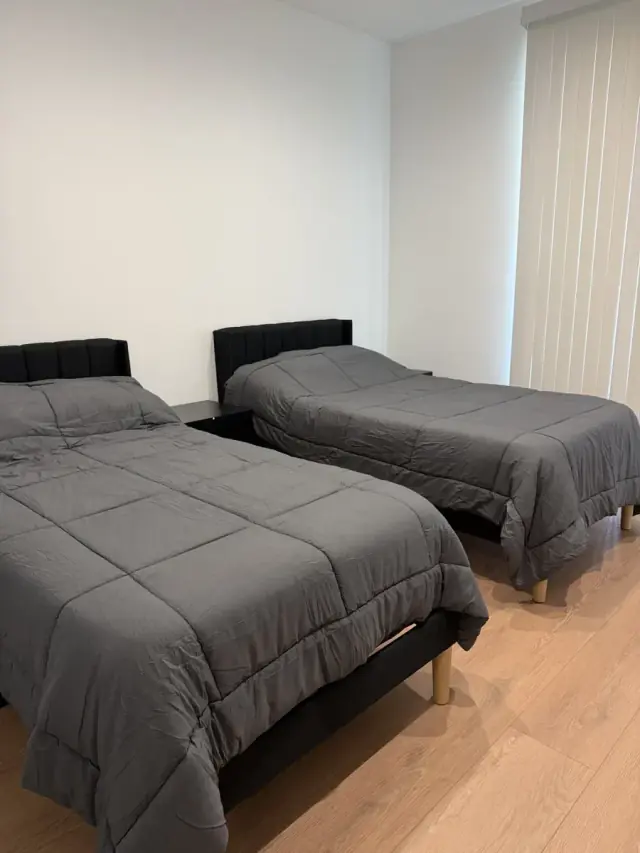
Medical Detox
Medically supervised withdrawal in the residence, leading straight into residential treatment.
-
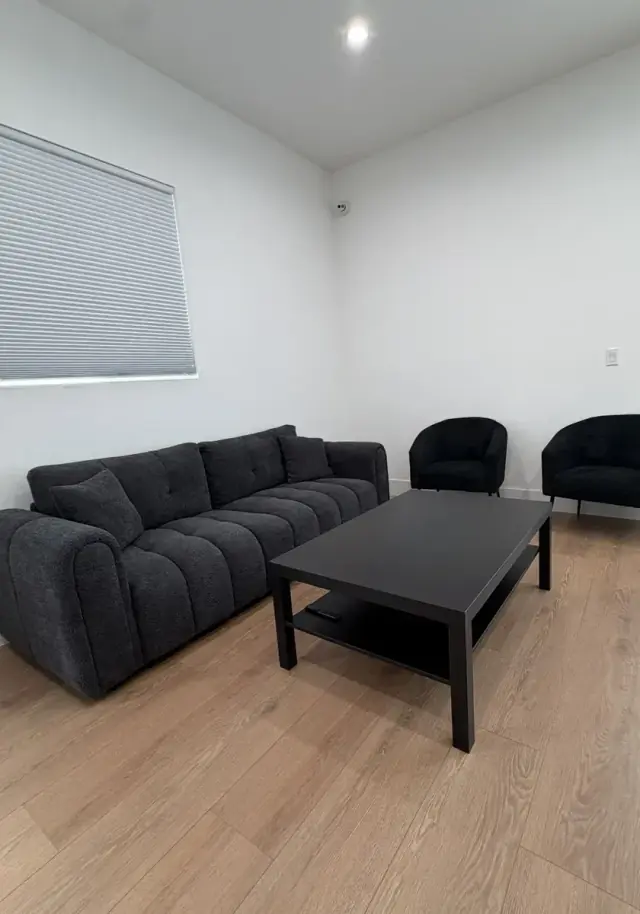
Residential Treatment
Living at Lumora for the length of the program, rather than going home each night.
-
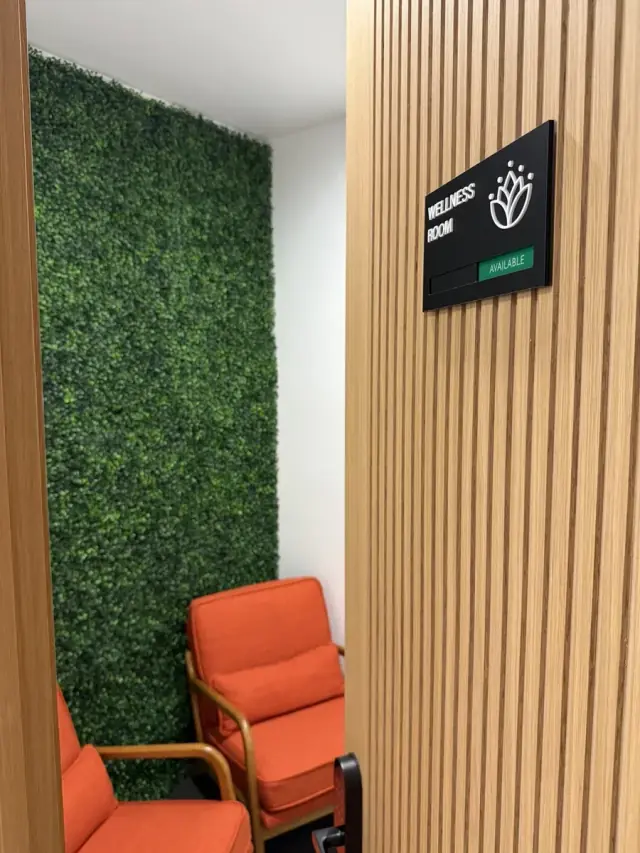
Dual Diagnosis Care
Mental health conditions that occur with substance use, treated together with it.
-

Eating Disorder Support
Coordinated planning for eating disorders alongside substance use, including referral when that is safer.
-

Aftercare Planning
A plan for life after Lumora, pointing to PHP, IOP, outpatient care, sober living or therapy near home.
-
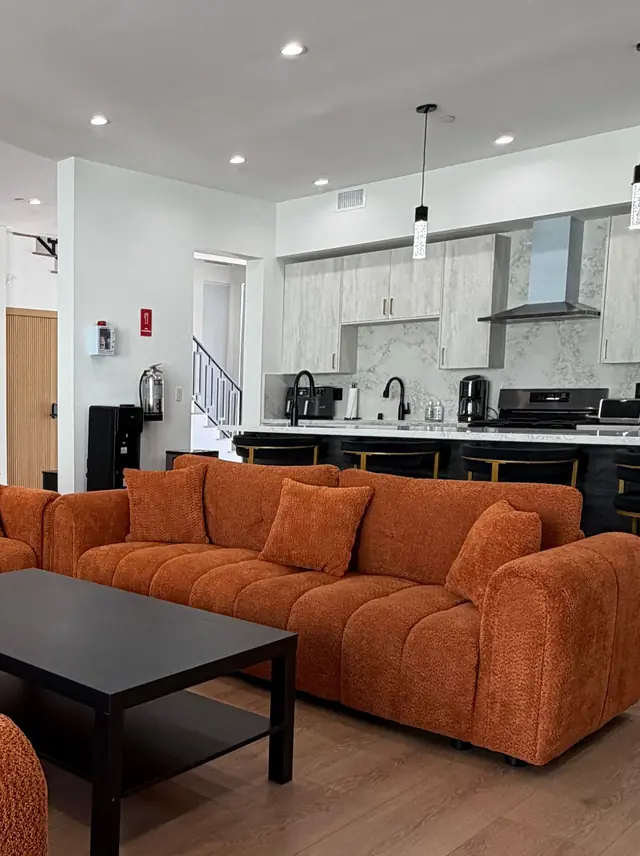
Tour the Residence
Bedrooms, lounges, the wellness room and the garden, photographed as they are.
Sources
- National Institute on Drug Abuse, Ketamine research topic (April 2024)
- National Institute on Drug Abuse, Psychedelic and Dissociative Drugs research topic (January 2026)
- National Institute on Drug Abuse, Treatment research topic (June 2025)
- National Institute on Drug Abuse, Principles of Drug Addiction Treatment
- FDA label, KETALAR (ketamine hydrochloride) injection, revised October 2025
- FDA label, SPRAVATO (esketamine) nasal spray, revised April 2025
- FDA, Spravato (esketamine) REMS record
- FDA, Compounding Risk Alerts (lists the October 10, 2023 compounded ketamine alert and the February 16, 2022 nasal spray alert)
- FDA, Potential risks associated with compounded ketamine products, including oral formulations, for psychiatric disorders (October 10, 2023; archived copy linked from FDA’s index)
- FDA, Warning letter to an online ketamine seller, MARCS-CMS 725147 (June 23, 2026)
- MedlinePlus, Esketamine Nasal Spray
- MedlinePlus, Club Drugs
- SAMHSA, Key Substance Use and Mental Health Indicators: Results from the 2025 National Survey on Drug Use and Health (July 2026)
- Federal Register, Final rule: Placement of Ketamine into Schedule III (64 FR 37673, July 13, 1999)
- Federal Register, Temporary Placement of 2-Fluorodeschloroketamine in Schedule I (91 FR 30204, May 22, 2026)
- California DHCS, SUD Recovery Treatment Facilities (state facility record)
- 988 Suicide and Crisis Lifeline
This page is for information and is not a substitute for medical, legal or insurance advice. Sources checked October 10, 2026.
Admissions, 24 hours a day
Ketamine addiction treatment in Los Angeles, beginning with what was really taken.
Call admissions day or night. Tell us where the ketamine came from, how often it is used and what else is involved, and we will talk through whether residential treatment at Lumora fits or another level of care would serve better.