

Fentanyl detox · Tarzana, CA
Fentanyl detox in Los Angeles, for a supply that is rarely one drug.
Fentanyl detox in Los Angeles at Lumora Recovery is supervised withdrawal from fentanyl in a state-licensed residence in Tarzana. The withdrawal is rarely life threatening on its own. The supply is the harder part: street fentanyl can carry sedatives such as xylazine or medetomidine that naloxone cannot reverse, so a medical assessment comes first.
What does fentanyl detox involve?
Fentanyl detox is the supervised stretch in which fentanyl leaves the body, withdrawal is managed, and the person is readied for treatment. SAMHSA’s guide to detoxification names three parts: evaluation, stabilization, and helping the person move into ongoing care. All three matter more with fentanyl than with most drugs, because the evaluation has to work out what else came with it.
Fentanyl is a synthetic opioid. Used every day, it leaves the body physically dependent, and stopping brings the misery of opioid withdrawal. The National Institute on Drug Abuse (NIDA) is clear that detox on its own does little to change long-term drug use, so a fentanyl detox is a starting point. The plan for what follows it is part of the first conversation.
Last updated
Symptoms and timing
What are fentanyl withdrawal symptoms, and how long does fentanyl withdrawal last?
No federal source gives a fentanyl-specific timeline; SAMHSA’s range for short-acting opioids as a group is first signs within 8 to 24 hours and an acute course of about 7 to 10 days, and a clinician judges where one person falls in it. What can make fentanyl withdrawal different is everything else in the bag.
The first wave
MedlinePlus lists agitation, anxiety, aching muscles, watering eyes, a running nose, sweating, yawning and sleeplessness as the early signs. NIDA adds chills and cramps. Craving runs through all of it, and NIDA observes that people often go on using mainly to keep withdrawal away.
The heavier stretch
Later come stomach cramps, diarrhea, nausea, vomiting, goosebumps and wide pupils. The physical risk to watch here is fluid loss: repeated vomiting and diarrhea can dehydrate a person, and vomit can be breathed into the lungs. MedlinePlus also advises screening for depression and other mental illness during detox.
Why there is no fentanyl-specific timeline
Search results often promise a precise onset and a fixed number of days for fentanyl. SAMHSA gives ranges only for short-acting and long-acting opioids as groups, which is why the range above is the class figure, and our page on prescription opioids sets out those withdrawal ranges by type of opioid. For fentanyl itself, a clinician’s assessment of the person in front of them is the reliable guide. One warning sign stands apart: chest pain, a pounding heart and vomiting that will not stop are not typical of opioid withdrawal and may point to medetomidine, covered below.
Two different drugs
Why is street fentanyl different from prescription fentanyl?
Street fentanyl is made illegally, sold as powder or pressed into fake pills, and mixed into other drugs, while prescription fentanyl is a hospital and pain-clinic medicine that comes mainly as patches or lozenges. The CDC draws this line, and it changes what a family should assume.
| Question | Prescription fentanyl | Illegally made fentanyl |
|---|---|---|
| Who makes it | Licensed drug manufacturers | Illegal labs, with no quality control |
| What it is for | Severe pain, often from cancer, and anesthesia during surgery | Sold for its effect, or used to bulk out other drugs |
| What it looks like | Mainly skin patches and lozenges (CDC) | Powder, or pills pressed to look like oxycodone (often marked M30) or alprazolam |
| Strength | 50 to 100 times morphine, given in measured doses | Unknown from one batch to the next; about 2 mg can kill |
| Can you tell it is there? | The label says so | No. The CDC says it cannot be seen, tasted or smelled in other drugs |
| What a test strip shows | Not needed | Fentanyl in a sample, in about five minutes; it may miss carfentanil and other strong analogues, and it ignores xylazine and medetomidine |
From the CDC’s fentanyl pages and NIDA’s fentanyl research summary. For understanding the supply only; nothing here makes any drug lower risk.
Dependence nobody chose. Because the CDC says pharmaceutical fentanyl does not come in pill form, any “Xanax” or “oxycodone” bought outside a pharmacy may have been fentanyl all along. The CDC notes that fentanyl is mixed into heroin, cocaine and methamphetamine too, and that many people do not know. A family member who learns their loved one has been taking fentanyl for months, believing they took something milder, is describing something the CDC says is common. If those pills were sold as a sedative and real benzodiazepines may also be involved, read what coming off a real benzodiazepine requires, because that withdrawal follows different rules.
What else is in it
Xylazine, medetomidine and fentanyl: what else is in the supply, and why does it change detox?
Two veterinary sedatives, xylazine and medetomidine, are now mixed into illegal fentanyl, and neither is an opioid, so naloxone does not reverse them. Medetomidine also brings its own withdrawal, which the CDC says can need emergency or intensive care.
| Substance | What it is | Does naloxone reverse it? | What it can do | Get emergency care for |
|---|---|---|---|---|
| Fentanyl | A synthetic opioid, mostly made illegally | Yes, though more than one dose may be needed | Slowed or stopped breathing; dependence and opioid withdrawal | Breathing that is slow or stopped, or a person who cannot be woken |
| Xylazine | A veterinary sedative, not approved for people | No. Give naloxone anyway, because an opioid is usually there too | Deep sedation, slow breathing, low blood pressure, a slow heart, wounds that can become infected, severe withdrawal | Any overdose, and wounds that look infected |
| Medetomidine | A veterinary sedative, stronger and longer acting than xylazine or clonidine | No. Give naloxone anyway, for the breathing | Its own withdrawal: high blood pressure, a racing heart, tremor, anxiety, chest pain, vomiting that will not stop, drifting alertness | Chest pain, vomiting that will not stop, drifting awareness, or withdrawal that is not easing with usual care |
From the CDC’s xylazine guidance (2024) and CDC Health Alert Network advisory CDCHAN-00527 on medetomidine (April 2026).
How common is it here?
Law-enforcement reports of medetomidine rose from 247 in 2023 to 8,233 in 2025, and 98% of positive product samples also held fentanyl. Those reports were concentrated in the Northeast (52%) and Midwest (31%), with under 1% from the West. We would rather give you that regional picture than suggest it is widespread in Los Angeles. For xylazine, the CDC cites DEA findings that about 23% of seized fentanyl powder and 7% of seized fentanyl pills contained it in 2022.
Supply moves, and people travel or buy drugs that were shipped from elsewhere. The CDC alert states that a person whose withdrawal does not improve with the usual opioid withdrawal care may have medetomidine withdrawal, which typically begins within hours and peaks about 18 to 36 hours after the last use. That single fact is the clearest reason a fentanyl detox plan should be set by a medical assessment and never attempted at home.
By the numbers
How dangerous is fentanyl right now? The figures, each with its year
Fentanyl is still the main driver of overdose deaths in the United States, even though national deaths have fallen three years running. Each figure below carries its source and year, because numbers without dates mislead.
| Figure | What it measures | Source and year |
|---|---|---|
| About 2 mg | An amount of fentanyl that can be fatal | NIDA, 2025 |
| Up to 50x and 100x | Strength compared with heroin and with morphine | CDC, 2024 |
| Nearly 73,000 | U.S. overdose deaths involving synthetic opioids other than methadone, mainly illegal fentanyl | CDC, 2023 data |
| About 69% | Share of all U.S. overdose deaths that involved those synthetic opioids | CDC, 2023 data |
| 69,973 (provisional) | All U.S. overdose deaths, down from 81,313 in 2024 (almost 14% fewer) | CDC, 2025 provisional data, may change |
| 44,564 | U.S. overdose deaths involving any opioid, down from 55,296 | CDC, 2025 provisional data, may change |
National figures. We found no Los Angeles County fentanyl count from a federal source, so none is shown.
Naloxone and its limits
Does naloxone (Narcan) work on fentanyl?
Yes, in most cases: NIDA says standard naloxone reverses most fentanyl overdoses, and the CDC says it can restore breathing within two to three minutes. Its limits matter as much as its power.
It may take more than one dose. The CDC notes that stronger opioids such as fentanyl can need repeat doses, and NIDA mentions high-strength products. Nalmefene is the other FDA-approved reversal medicine.
It cannot hurt someone who has taken no opioid. If you are unsure what the person took, the CDC’s advice is to give it anyway.
It does not touch the sedatives. Xylazine and medetomidine are not opioids. Someone can begin breathing again and stay deeply drowsy. That is why 911 matters even when naloxone seems to have worked, and why SAMHSA describes the effect as temporary.
Stay for hours, not minutes. The CDC says to remain with the person until help arrives, or for at least four hours.
The CDC adds that naloxone is sold without a prescription in all 50 states, that community programs hand it out, and that Good Samaritan laws in most states protect people who call for help. Anyone using illegal opioids, or mixing opioids with benzodiazepines, should carry it. Our heroin page sets out how to give the nasal spray, step by step.
Before the call
When does fentanyl withdrawal need a hospital before detox?
Fentanyl withdrawal is most likely to need a hospital first when it shows signs of medetomidine, when fluids cannot be kept down, when alcohol or sedatives are also involved, or when wounds look infected. Each item below comes from the CDC, MedlinePlus or SAMHSA, and any one of them is worth saying on the first call.
- Chest pain or a racing heart during withdrawalThe CDC lists high blood pressure, fast heart rate and chest pain among signs of medetomidine withdrawal.
- Vomiting that will not stop, or no fluids kept downDehydration is one of the physical risks MedlinePlus names, and intractable vomiting is a medetomidine warning sign.
- Drifting in and out of alertnessFluctuating awareness appears in the CDC medetomidine alert and needs urgent care.
- Withdrawal that is not easing with usual careThe CDC says this can mean medetomidine is involved.
- Alcohol or benzodiazepines used alongside fentanylSAMHSA counts combined use among the overdose risks, and both have dangerous withdrawals of their own.
- Wounds that look red, swollen or infectedThe CDC links xylazine to wounds that can become infected.
Licensing and setting
Fentanyl detox in Los Angeles, under a state license you can verify
The state of California, not Lumora, is the source to trust on our license. The Department of Health Care Services (DHCS) publishes a dataset of every licensed treatment facility, and Lumora Recovery appears in it as License No. 191642AP: a residential program with detoxification, coded RES-DETOX, for six residents, with incidental medical services approved. Under that IMS approval, a licensed health care practitioner can deliver or oversee set services in the residence, including health monitoring, detox-related testing and the treatment of substance use disorders. Anything that has to happen in a licensed health facility falls outside it. Look up Lumora in the DHCS dataset.
For fentanyl, the assessment weighs what was used, how, what was likely mixed in, and any heart, lung or wound problem. Those answers settle whether withdrawal starts in the house on Wilbur Avenue or in a hospital. When a hospital should come first, admissions will say so during that call. How detox here works for other substances is on the medical detox overview for every substance.
We work with many PPO plans, and admissions checks benefits by phone. For the things that move the final figure, see the factors behind what detox ends up costing.
After the medical phase
What happens after fentanyl detox?
Treatment for the addiction itself comes next, because the end of withdrawal is also the point of highest overdose risk. NIDA notes that falling tolerance after a period without opioids is a recognized overdose risk factor, and fentanyl leaves almost no margin for error.
The FDA has approved three medicines for opioid use disorder, methadone, buprenorphine and naltrexone, and NIDA says fentanyl addiction is treated with these same medicines. NIDA also reports that people who receive methadone or buprenorphine are less likely to overdose or die. Lofexidine is approved to ease withdrawal symptoms but is not a long-term treatment. Which medicine suits a person, and when it can start, is a decision for their treating clinician.
When withdrawal ends and residential treatment is the right next step, the person stays in the same house; there is no transfer to another program. What that stage involves for fentanyl, from counterfeit pills to stimulants used alongside, is on our page about fentanyl rehab after the withdrawal phase; residential care for fentanyl and other opioid use disorder covers California’s rules on medication in licensed programs. If heroin was the main drug, or the fentanyl came mixed into it, see heroin withdrawal, injection risks and overdose signs.
Safety first
Naloxone first, then 911, even once they start breathing.
If someone will not wake, is breathing slowly or not at all, or has blue lips, give naloxone if you have it and call 911. Sedatives in street fentanyl can keep a person dangerously drowsy after naloxone works, so stay with them and let paramedics take over. For a suicidal crisis or overwhelming distress, call or text 988 to reach the Suicide and Crisis Lifeline, any day and any hour.
FAQ
Questions families ask
Does Narcan work on fentanyl?
Usually, yes. NIDA says standard naloxone reverses most fentanyl overdoses, though some people need a second dose or a higher-strength product. It does nothing against xylazine or medetomidine, so a person can start breathing again and still be heavily sedated. Call 911 every time.
How long does fentanyl stay in your system?
SAMHSA’s guide on medicines for opioid use disorder says fentanyl shows up in urine for roughly one to two days, and a standard opiate drug screen does not pick it up. A negative result on an ordinary screen therefore says little about fentanyl, so tell admissions about any use.
Can someone be dependent on fentanyl without knowing it?
Yes. The CDC says many people do not know their drugs contain fentanyl, and counterfeit pills made to look like oxycodone or Xanax often carry it. Someone who believed they were taking pills from a pharmacy can arrive with a fentanyl dependence they never chose.
Is fentanyl stronger than heroin?
Much stronger. The CDC puts fentanyl at up to 50 times the strength of heroin and 100 times that of morphine, and NIDA says about 2 milligrams can be fatal.
What is xylazine, and does naloxone reverse it?
Xylazine is a veterinary sedative that is not approved for people and turns up in the street fentanyl supply. The CDC says naloxone does not reverse it, but should still be given because an opioid is usually present too. Xylazine can also cause wounds that become infected.
What is medetomidine withdrawal?
A withdrawal syndrome from medetomidine, a veterinary sedative now found in illegal fentanyl. A 2026 CDC health alert lists high blood pressure, a racing heart, tremor, chest pain and vomiting that will not stop, peaking about 18 to 36 hours after last use. It can need emergency or intensive care.
Does a negative fentanyl test strip mean a drug is fentanyl-free?
Not reliably. The CDC describes test strips as inexpensive with results in about five minutes, but notes they may miss stronger relatives of fentanyl such as carfentanil. A strip also tells you nothing about xylazine or medetomidine.
Are fentanyl overdose deaths going down?
Nationally, yes. Provisional CDC figures show 69,973 overdose deaths in 2025, almost 14% fewer than in 2024 and the third yearly fall in a row. Synthetic opioids, mainly illegal fentanyl, were still involved in about 69% of overdose deaths in 2023.
What should we do if someone is still very drowsy after naloxone?
Keep 911 on the way and stay. CDC guidance for sedatives in the fentanyl supply is to give naloxone again every 2 to 3 minutes if breathing stays poor, give rescue breaths, and lay the person on their side in the recovery position.
Where does fentanyl withdrawal start: at Lumora or in a hospital?
The assessment decides. Withdrawal that needs monitoring can begin in Lumora’s licensed residence in Tarzana. Signs of medetomidine withdrawal, chest pain, vomiting that will not stop, heavy alcohol or benzodiazepine use, or an unstable illness can mean a hospital comes first, and admissions will say so.
Other ways we help
Care at Lumora
-
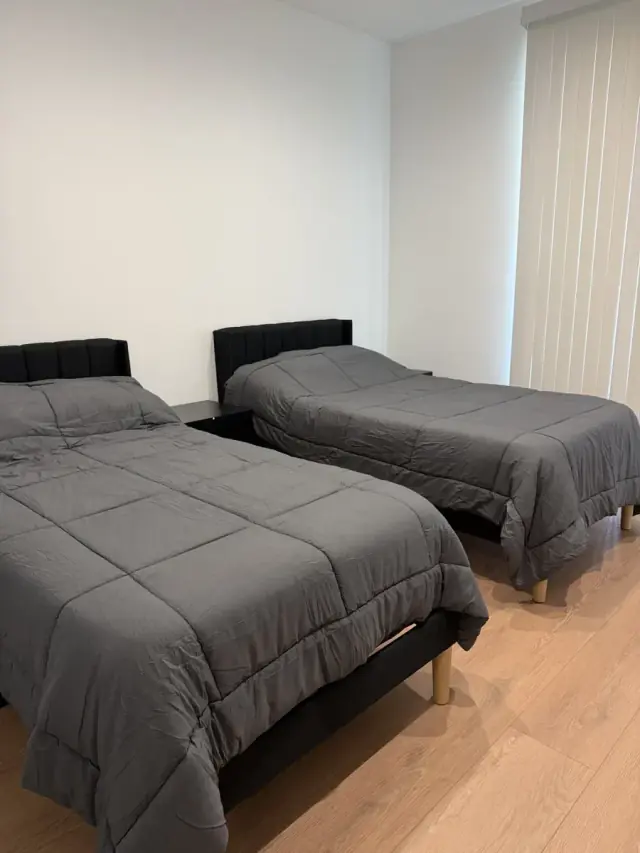
Medical Detox
Medically supervised withdrawal in the residence, leading straight into residential treatment.
-
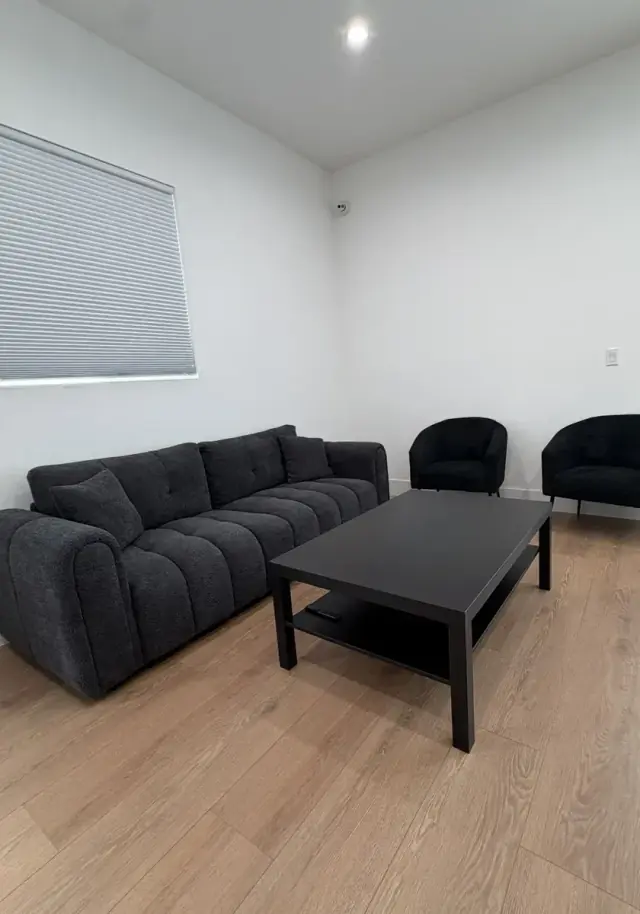
Residential Treatment
Living at Lumora for the length of the program, rather than going home each night.
-
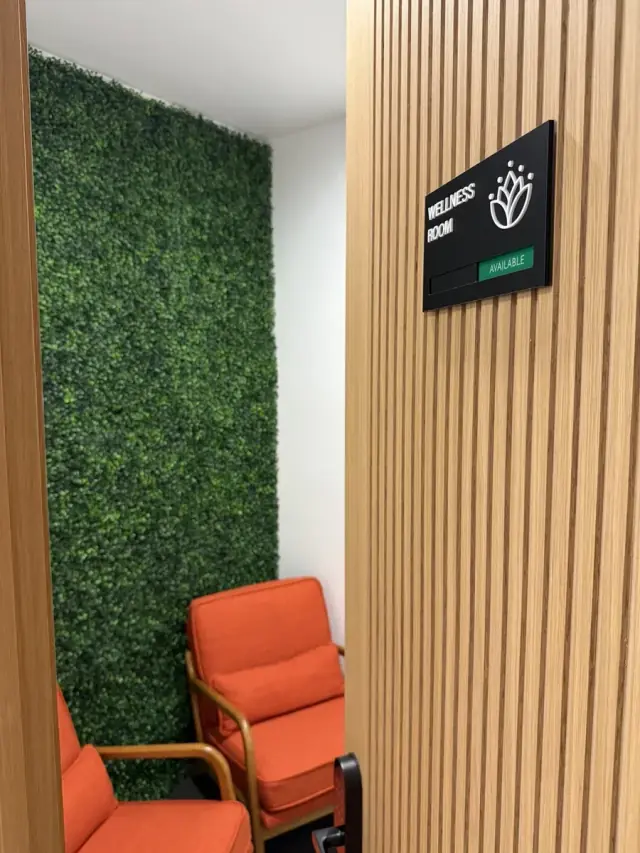
Dual Diagnosis Care
Mental health conditions that occur with substance use, treated together with it.
-

Eating Disorder Support
Coordinated planning for eating disorders alongside substance use, including referral when that is safer.
-

Aftercare Planning
A plan for life after Lumora, pointing to PHP, IOP, outpatient care, sober living or therapy near home.
-

Tour the Residence
Bedrooms, lounges, the wellness room and the garden, photographed as they are.
Sources
- CDC, Fentanyl (Overdose Prevention, 2025)
- CDC, Fentanyl facts (Stop Overdose, 2024)
- CDC, Lifesaving naloxone (2025)
- CDC, What you should know about xylazine (2024)
- CDC Health Alert Network, Medetomidine in the U.S. illegal fentanyl supply (CDCHAN-00527, April 2026)
- CDC National Center for Health Statistics, U.S. overdose deaths decrease for third consecutive year in 2025 (May 2026)
- National Institute on Drug Abuse, Fentanyl
- National Institute on Drug Abuse, Opioids
- National Institute on Drug Abuse, Medications for opioid use disorder
- National Institute on Drug Abuse, Overdose prevention education for clinicians
- National Institute on Drug Abuse, Principles of Drug Addiction Treatment
- MedlinePlus, Opiate and opioid withdrawal
- MedlinePlus, Naloxone nasal spray
- SAMHSA, TIP 63: Medications for Opioid Use Disorder (2021)
- SAMHSA, Opioid overdose reversal medications
- SAMHSA, Detoxification and Substance Abuse Treatment (TIP 45 quick guide)
- California DHCS, Incidental Medical Services
- California DHCS, SUD Recovery Treatment Facilities (state facility record)
- 988 Suicide and Crisis Lifeline
This page is for information and is not a substitute for medical, legal or insurance advice. Sources checked October 10, 2026.
Admissions, 24 hours a day
Fentanyl detox in Los Angeles starts with knowing what was in it.
Call at any hour. Tell us what was used, in what form and with what else, and we will say whether withdrawal can begin at Lumora in Tarzana or whether a hospital should come first.