

Choosing a level of care
Residential vs outpatient rehab, compared honestly.
Residential vs outpatient rehab comes down to where the person sleeps and how much structure they need. In residential care they live at the program; in outpatient care they live at home and attend sessions. Lumora provides residential treatment and detox only, so this guide also covers the options we do not offer.
Residential vs outpatient rehab: the short answer
Neither is better in general. One of NIDA’s principles of treatment is that no single approach suits everyone, and SAMHSA describes the levels as points on a continuum: a person starts where their needs fit and moves up or down as those needs change.
The real question is what this person needs now: how risky withdrawal could be, whether home is a safe place to recover, and whether they can keep regular appointments. The sections below turn that into something you can use.
Last updated
Side by side
Levels of care for addiction treatment, side by side
Intensity figures come from SAMHSA’s guide on intensive outpatient treatment (TIP 47), which uses the ASAM criteria of its time. Typical lengths are SAMHSA’s general descriptions.
| Level | Where the person sleeps | Intensity | Typical length | At Lumora |
|---|---|---|---|---|
| Hospital inpatient | A hospital or medically run unit | 24-hour medical care | A few days or weeks | No: a hospital comes first when needed |
| Residential | At the program | 24-hour setting | A few weeks to a few months | Yes, with detox when needed |
| Partial hospitalization (PHP) | At home or in sober living | At least 20 hours a week | Varies | No: a referral option |
| Intensive outpatient (IOP) | At home or in sober living | At least 9 hours a week | SAMHSA’s guide gives a recommended minimum of about 90 days | No: a referral option |
| Standard outpatient | At home | Regular appointments, often weekly | Varies | No: a referral option |
The middle levels
PHP vs IOP vs standard outpatient
Partial hospitalization is the most structured care a person can attend while living at home: at least 20 hours of programming a week in SAMHSA’s guide. The guide’s authors treat a daily six-hour program as partial hospitalization.
Intensive outpatient is traditionally at least 9 hours a week, often three sessions of about three hours spread across the week, so it can fit around work or school.
Standard outpatient is lower intensity again, often a weekly appointment, and is where many people continue after a more intensive stage. SAMHSA notes outpatient care can be offered in person or by telehealth.
A common mix-up
Inpatient vs outpatient rehab: hospital care is not residential care
People say “inpatient rehab” for two different things. Hospital inpatient care is medically run, for people whose health needs a hospital. Residential treatment means living at a program that is not a hospital, such as Lumora, a house licensed for six residents.
NIAAA notes that hospital-based care suits people with other health conditions that need medical attention. More on the residential side is on our page about residential treatment at Lumora, with substance-specific detail for residential alcohol treatment and residential opioid treatment.
Decision guide
Signs residential care may fit, and signs outpatient may
Each row draws on federal guidance. None of it replaces an assessment, which weighs everything together.
| Question | Points toward residential | Points toward outpatient |
|---|---|---|
| Withdrawal | Withdrawal could be dangerous, such as after heavy daily drinking or long benzodiazepine use | Little or no withdrawal risk, or withdrawal already managed |
| Home | No stable housing, or no supportive family or friends nearby | A stable home with people who support recovery |
| Daily life | Needs a structured, predictable day to stop using | Can keep regular appointments and wants to keep working |
| Other substances (SAMHSA, for opioid use disorder) | Opioid use alongside other substance use problems | Fewer complicating factors |
| Medical needs | A condition that needs a hospital points to hospital care first, not residential | Health stable enough for care at home |
Sources: SAMHSA, NIAAA and NIDA, listed below. NIAAA’s points on home, structure and severity are written about alcohol treatment.
The evidence
Is residential treatment better than outpatient?
For the right person, either can be the better choice. Neither wins in general.
NIDA notes that intensive day treatment can be comparable to residential programs, depending on the person, while low-intensity outpatient may offer little beyond education. For alcohol, NIAAA says most people begin with outpatient counseling, that residential programs are not necessary for most people, and that those without stable housing or support may do better in residential care.
Residential care has real costs. It means time away from work and family, it costs more than outpatient care, and the return home still has to be planned. NIDA notes that staying engaged in outpatient or aftercare after a residential stay lowers the risk of relapse, so a residential stay should end with a next step already arranged.
Before either
When detox has to come first
Some withdrawal should not be handled at home. Stopping heavy daily drinking suddenly can bring seizures and delirium tremens, and the FDA warns that stopping a benzodiazepine abruptly can cause life-threatening reactions. In those cases, supervised withdrawal comes before any other level of care.
The details differ by substance: when alcohol withdrawal becomes an emergency, why Xanax and other benzodiazepines are never stopped suddenly, and what opioid withdrawal involves and what follows it.
Due diligence
How to check any California program’s license
The California Department of Health Care Services (DHCS) licenses residential programs and certifies outpatient ones, and publishes every entry.
Search the DHCS facility record by program name. Each entry shows whether the program is licensed or certified, its program type, its capacity, whether incidental medical services are approved, and when the license expires.
As a worked example, Lumora Recovery appears as licensed, residential program with detoxification, License No. 191642AP, six residents, incidental medical services approved. If a program’s name is missing, or the entry looks different from what you were told, ask why.
Where we fit
Where Lumora fits, and outpatient care near the Valley
Lumora provides two levels: medical detox and residential treatment, in one house in Tarzana. When someone is ready to step down, the aftercare plan points to outpatient options close to where they will live, chosen with the person.
For a neutral starting point, the SAMHSA National Helpline, 1-800-662-4357, is free, confidential and open at any hour, and refers callers to treatment programs. Any outpatient program’s state certification can be checked in the DHCS record described above.
Among the options near the Valley is our sister program, Last Door Sobriety in Van Nuys, certified by DHCS as a nonresidential program, which describes itself as offering partial hospitalization, intensive outpatient and outpatient care.
Lumora Recovery and Last Door Sobriety share ownership. Last Door is one option among others; the aftercare plan is matched to each person, and the choice is always theirs.
How step-down planning works at Lumora is on our aftercare page.
FAQ
Questions families ask
Is inpatient rehab better than outpatient rehab?
Not as a rule. NIDA notes that intensive day treatment can be comparable to residential care, depending on the person, and NIAAA advises starting alcohol treatment at the least intensive level that is safe. The right level is the one that fits the person’s needs now.
What qualifies as outpatient rehab?
Any treatment where you attend and go home the same day. SAMHSA describes two main kinds: standard appointments for people who can keep a regular schedule, and more intensive programs that last at least a few hours at a time. Some is offered by telehealth.
How many hours a week is intensive outpatient?
SAMHSA’s guide on intensive outpatient treatment (TIP 47) describes at least 9 hours a week, often three sessions of about three hours, under the ASAM criteria it uses.
How many hours a week is partial hospitalization?
The same SAMHSA guide describes partial hospitalization as at least 20 hours a week of structured programming. The person still lives at home or in sober living.
What are the disadvantages of residential treatment?
Time away from work and family, a higher cost than outpatient care, and a return home that still has to be planned for. NIDA notes that staying engaged in outpatient or aftercare programs afterward lowers the risk of relapse.
Can I keep working during rehab?
In outpatient care, often yes; NIAAA notes it lets people live at home and keep working. Residential care means stepping away for the length of the stay. Federal leave law may protect a job during inpatient treatment.
Should I try outpatient before residential?
For alcohol, NIAAA suggests starting with the least intensive level that is safe and moving up if needed. Where withdrawal could be dangerous, or home is not a safe place to recover, a higher level may be the safer start. The assessment decides.
How do I check if a rehab in California is licensed?
Search the California Department of Health Care Services facility record by name. It shows whether a program is licensed or certified, its type, its capacity and the expiry date.
Other ways we help
Care at Lumora
-
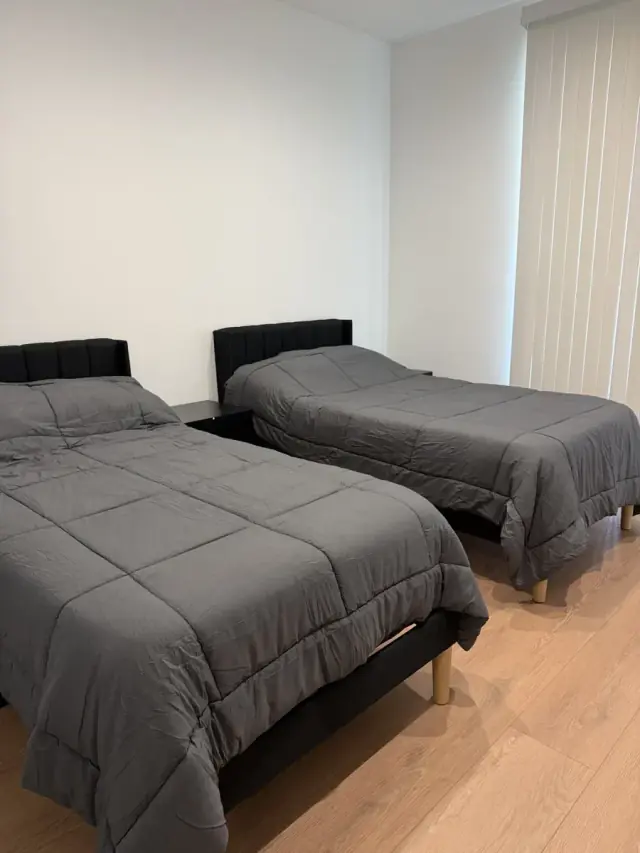
Medical Detox
Medically supervised withdrawal in the residence, leading straight into residential treatment.
-
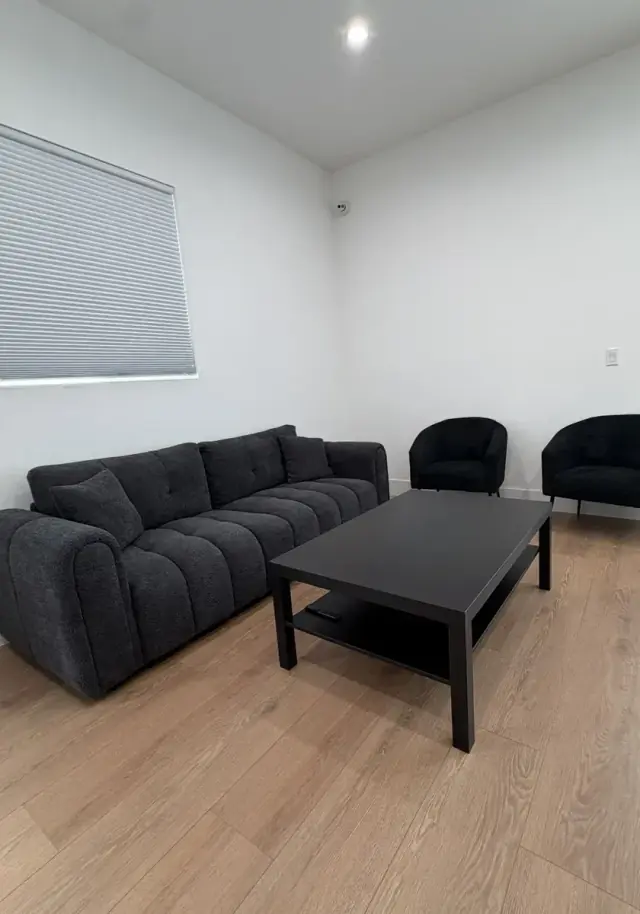
Residential Treatment
Living at Lumora for the length of the program, rather than going home each night.
-
Dual Diagnosis Care
Mental health conditions that occur with substance use, treated together with it.
-
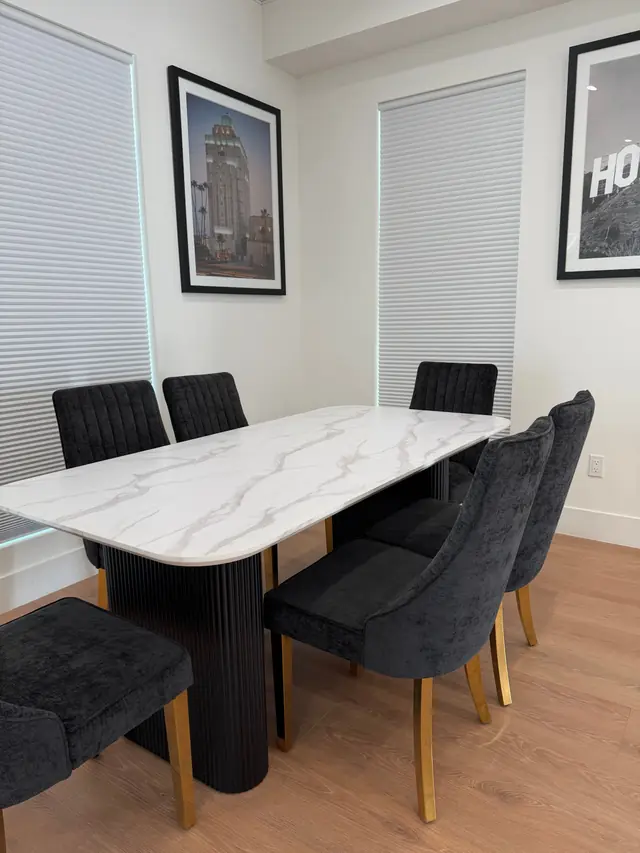
Eating Disorder Support
Coordinated planning for eating disorders alongside substance use, including referral when that is safer.
-
Aftercare Planning
A plan for life after Lumora, pointing to PHP, IOP, outpatient care, sober living or therapy near home.
-
Tour the Residence
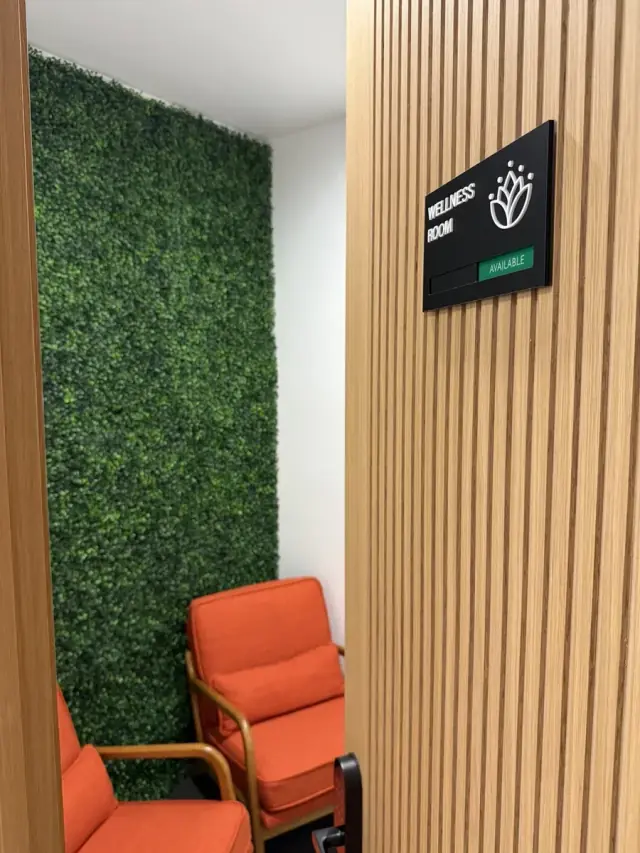
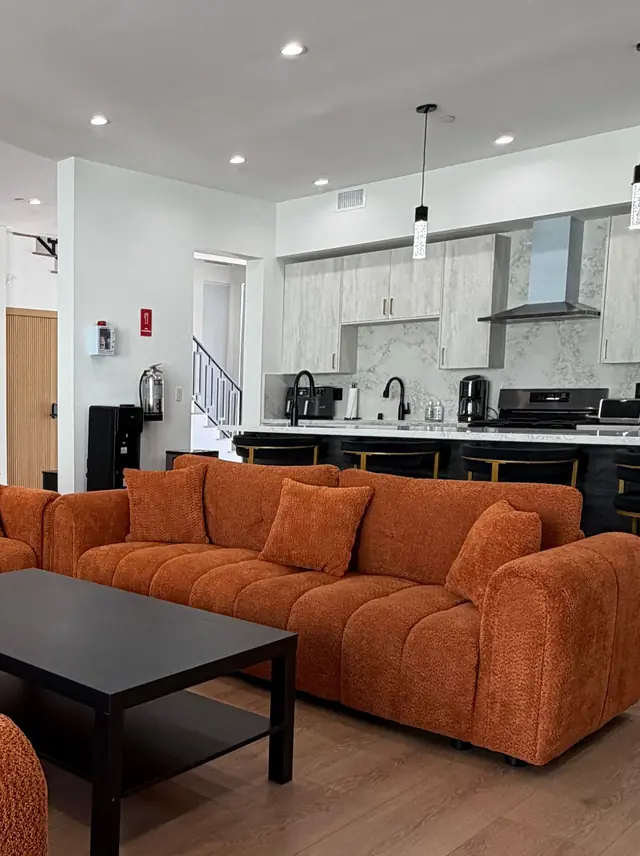
Bedrooms, lounges, the wellness room and the garden, photographed as they are.
Sources
- SAMHSA, TIP 47: Clinical Issues in Intensive Outpatient Treatment
- SAMHSA, Treatment types for mental health, drugs and alcohol
- NIAAA Alcohol Treatment Navigator, FAQs: searching for alcohol treatment
- National Institute on Drug Abuse, Principles of Drug Addiction Treatment
- NIAAA, Alcohol use disorder: risk, diagnosis and recovery
- FDA, Boxed warning for benzodiazepines
- California DHCS, Licensing and certification
- California DHCS, SUD Recovery Treatment Facilities (state facility record)
- SAMHSA, National Helpline
- U.S. Department of Labor, Fact Sheet 28O: Mental health conditions and the FMLA
This page is for information and is not a substitute for medical, legal or insurance advice. Sources checked October 10, 2026.
Admissions, 24 hours a day
Residential vs outpatient rehab: one call can settle it.
Admissions answers around the clock. Tell us what is happening and we will tell you which level sounds right, and whether that is something Lumora provides.