
Fentanyl rehab · Tarzana, CA
Fentanyl rehab in Los Angeles, when pills and stimulants are part of it.
Fentanyl rehab in Los Angeles at Lumora Recovery is residential treatment for fentanyl addiction after withdrawal, in a Tarzana house licensed by the state for six residents. NIDA says the core treatment matches other opioid addiction. What differs is the supply: counterfeit pills, stimulants used alongside, and smoking now more common than injecting.
What is fentanyl rehab, and when does it start?
Fentanyl rehab is treatment for fentanyl addiction that starts once withdrawal is over, aimed at the addiction rather than the withdrawal symptoms. Fentanyl addiction is opioid use disorder involving fentanyl, a synthetic opioid, and the CDC describes opioid use disorder as a long-term medical condition that is treatable. Most fentanyl in the overdose crisis is made illegally, NIDA notes, and is pressed into counterfeit pills or mixed into other drugs.
Withdrawal comes first. At Lumora, the state license covers detoxification and residential treatment at the same address, so a person who needs withdrawal care moves on to treatment in the same house, without a transfer. Someone who came through withdrawal somewhere else begins with a call and an assessment. What the withdrawal stage involves is on our page about fentanyl detox, the withdrawal stage that comes first.
This page covers the stage after that: why fentanyl so rarely arrives alone, what smoking instead of injecting changes, what to do when pills were not what they seemed, what families should know about young people and pills, and what to ask a program before choosing it.
Last updated
The treatment
What does treatment for fentanyl addiction look like now?
The core treatment is the same as for any opioid use disorder: NIDA says fentanyl addiction is treated with the same FDA-approved medicines and with behavioral therapy. What has changed is everything around it: the supply, the drugs taken with it, and the way it is used.
Who decides whether medicine is used?
The person and their prescriber. The CDC calls the choice to use medicine for opioid use disorder a personal medical decision, and notes that combining medicine with behavioral therapy is common. The three approved medicines, how they compare and California’s rules for licensed programs are explained on the opioid rehab page, which covers medicines and state law. This page does not repeat them.
What is different about fentanyl in practice?
Four things shape a fentanyl treatment plan in ways that older patterns of opioid use often did not.
How it started. Many people first met fentanyl in a counterfeit pill or mixed into another drug, without knowing it was there.
What came with it. Stimulants, sedatives and alcohol are common companions, and each needs its own part of the plan.
How it was used. Smoking has overtaken injecting in overdose deaths, which changes the health questions but not the overdose risk.
What is in the supply. Fentanyl now arrives mixed with other drugs, so nobody can see a product’s strength or contents.
Where does mental health come in?
Alongside the substance use, not after it. NIDA advises that anyone seeking care for a substance use disorder be screened for mental health conditions, and that both be treated at the same time. Lumora treats mental health conditions that occur with substance use, and for any one person the assessment decides whether both can be treated together at Lumora or need another setting first; see dual diagnosis care alongside addiction treatment.
Polysubstance use
Fentanyl with meth, cocaine or other drugs: what else must treatment cover?
Treatment has to cover every drug that travels with fentanyl, because the CDC reports that nearly half of 2022 overdose deaths involved more than one drug. Stimulants are the most common partner, and they bring a gap that opioid treatment alone cannot fill: no approved medicine.
| Used with fentanyl | What federal data show | Why it matters for treatment |
|---|---|---|
| Any stimulant | About 40% of deaths involving illegally made fentanyl in 2020 also involved stimulants (CDC). In 2023, cocaine or psychostimulants were involved in nearly 60,000 overdose deaths, about 57% of the national total (CDC). | Stimulants raise heart rate and blood pressure while opioids slow breathing. The CDC says the effects do not cancel out, and one drug can hide the other. |
| Cocaine | In 2017, 72.7% of cocaine-involved overdose deaths also involved an opioid (CDC). SAMHSA reported in 2021 that most cocaine is now adulterated with fentanyl at the retail level. | Someone who thinks of themselves as a cocaine user may have been taking fentanyl too. There is no FDA-approved medicine for cocaine use disorder, so that part needs behavioral treatment. |
| Methamphetamine | In 2019, roughly one third of deaths involving psychostimulants such as methamphetamine also involved synthetic opioids (CDC). | The same gap applies: no approved medicine for methamphetamine use disorder. The plan needs a behavioral track for the stimulant alongside care for the opioid. |
| Benzodiazepines | Nearly 14% of opioid-involved overdose deaths in 2021 also involved benzodiazepines, and benzodiazepines have been found in some illicit opioid supplies (NIDA). | Both slow breathing. If real benzodiazepines were taken regularly, their withdrawal needs its own management, separate from the opioid. |
| Alcohol | The CDC says alcohol with other drugs raises overdose risk, and NIDA names it among the depressants that make opioid overdose more likely. | Drinking that continues alongside fentanyl use belongs in the same plan, not a later one. |
| More than one of these | Nearly half of 2022 overdose deaths involved more than one drug. In 2016, nearly 80% of synthetic-opioid deaths also involved another drug or alcohol (CDC). | SAMHSA describes residential care as suited to opioid use disorder that comes with other substance use problems. |
From the CDC’s polysubstance and stimulant overdose pages, SAMHSA TIP 33 and TIP 63, and NIDA. National figures with their years; no Los Angeles figure from a federal source was found, so none is shown.
Why is there no medicine for the stimulant side?
Because none has been approved. SAMHSA’s treatment guide for stimulant use disorders (TIP 33) states that no medications are FDA approved for them. The medicines for opioid use disorder are approved for opioids, not for cocaine or methamphetamine. A plan for fentanyl with a stimulant therefore runs two tracks at once: care for the opioid use disorder, and behavioral treatment for the stimulant use.
The same SAMHSA guide reports that much of the street stimulant supply now includes fentanyl, which is why the two so often arrive together. The stimulant track is covered on our page about meth rehab when fentanyl is also in the mix. The withdrawal side of each stimulant, mostly low mood, poor sleep and craving, is described in what coming off methamphetamine is like and the cocaine crash and the weeks after it.
What should the assessment ask about other drugs?
Everything, including what the person only suspects. The CDC advises telling a doctor about every drug taken, prescribed or not, and notes that people can take drugs mixed with fentanyl without knowing. A plan built on fentanyl alone, when meth, pills or alcohol are also involved, will miss part of the problem. NIDA’s treatment principles point the same way: no single treatment suits everyone, and plans should be reassessed as needs change. Drinking that runs alongside fentanyl brings withdrawal risks of its own, set out in how alcohol withdrawal is judged and monitored.
What does a mixed supply mean after treatment?
It means a return to use is harder to judge than ever: the CDC says drugs taken together have effects that are hard to predict, and a stimulant mixed in can hide how sedated someone is. Planning for the end of a stay, naloxone included, is covered in the discharge plan laid out on our opioid rehab page, and Lumora’s side of it in what goes into an aftercare plan.
Smoking and injecting
Does it matter if someone smoked fentanyl instead of injecting it?
It matters for infections, not for overdose. A 2024 CDC report found that smoking overtook injecting as the most common route of drug use in overdose deaths by late 2022, and that smoking still carries substantial overdose risk because the drug is absorbed quickly.
| Route | January to June 2020 | July to December 2022 |
|---|---|---|
| Smoking, all drugs | 13.3% | 23.1% |
| Injecting, all drugs | 22.7% | 16.1% |
| Smoking, deaths involving only illegally made fentanyls | 10.9% | 19.5% |
| Injecting, the same fentanyl-only deaths | 20.9% | 12.2% |
CDC, MMWR 73(6), February 2024: 139,740 overdose deaths in 28 jurisdictions. By late 2022 smoking led, ahead of snorting (16.2%), injecting (16.1%) and swallowing (14.5%). Route was missing for nearly half of deaths, so the CDC treats these shares as likely underestimates.
How many deaths showed a route other than injecting?
Most of them. Across all the jurisdictions studied, 81.9% of deaths with route information showed evidence of a route other than injection, and smoking was highest in the western states in the study. For a family, the lesson is that the absence of needle marks says little about how serious the drug use has been.
Is smoking fentanyl lower risk?
Lower for bloodborne infections, not for overdose. The CDC says smoking leads to fewer bloodborne infections than injecting but still carries substantial overdose risk, because the drug is absorbed rapidly. Its recommendations include public messages about overdose risk from non-injection use and linking people to treatment, including medicines for opioid use disorder.
What does the route mean for a family?
That “never injected” is no reason to think the problem is small. The route does not decide the level of care; the assessment does, weighing the whole pattern of use, other drugs, mental health and the situation at home. For someone who did inject, our page on heroin rehab, including hepatitis and HIV checks sets out the health checks that injecting calls for, and someone still moving off heroin can read about how heroin withdrawal unfolds over the first week.
Counterfeit pills
What if fentanyl came in pills someone thought were real?
Then treatment starts by naming what happened: a dependence on fentanyl that arrived disguised as another medicine. The CDC says counterfeit pills often look like oxycodone, frequently marked M30, or alprazolam, that pharmaceutical fentanyl is not made as a pill, and that many people do not know their drugs contain fentanyl.
Why does naming it opioid use disorder matter?
Because the treatment follows the diagnosis. A person who believed they were taking a few pain pills or anxiety tablets may not think of themselves as having an opioid problem at all, and may resist treatment designed for one. Once the assessment names it, the options that exist for opioid use disorder, including the approved medicines NIDA says are used for fentanyl addiction, become part of the conversation.
What if the pills were sold as Xanax?
Then two things need checking: fentanyl in counterfeit tablets, and real benzodiazepines taken along the way. The FDA warns that stopping benzodiazepines suddenly, or cutting them too fast, can cause serious, life-threatening withdrawal, so real benzodiazepines taken regularly need a medically supervised plan; the warning is set out in full under the FDA boxed warning for benzodiazepines. Our page on Xanax withdrawal when some tablets may have been counterfeit explains that side, and treatment when benzodiazepines are the main problem covers what follows.
What does the CDC advise about pills?
Take only medicines prescribed to you and dispensed by a pharmacy. The CDC warns that pills bought any other way may contain potent drugs, whatever they look like, and that fentanyl cannot be seen, tasted or smelled.
Young people
What should families know about young people, fentanyl and pills?
Families should know that fentanyl is behind most overdose deaths among teenagers, and that counterfeit pills and mental health are often part of the story. A CDC study of overdose deaths among people aged 10 to 19, from July 2019 to December 2021, found illegally made fentanyl in 83.9% of them.
These figures are national context; whether residential treatment at Lumora fits any person is decided at assessment, described in how the admissions call and assessment work.
| Finding | What the CDC reported |
|---|---|
| Fentanyl involved | 83.9% of 2,231 deaths involved illegally made fentanyls |
| Rise over the period | Median monthly deaths rose 109%, and fentanyl-involved deaths 182%, between the second half of 2019 and the second half of 2021 |
| Counterfeit pills | Evidence of counterfeit pills in 24.5% of deaths, which the CDC calls a likely undercount |
| Someone nearby | A potential bystander was present in 66.9% of deaths where this was recorded; most did not respond because they were elsewhere in the home or did not know about the drug use |
| Mental health history | About 41% had a documented mental health condition or treatment |
| Naloxone | Given in 30.3% of deaths |
CDC, MMWR 71(50), December 2022. These figures describe teenagers in an earlier period. They are context for families, not a statement about who Lumora treats.
What does the CDC advise families to do?
The CDC’s advice comes down to five habits. Talk about counterfeit pills, and the fact that a pill’s appearance proves nothing. Keep naloxone at home and learn the signs of overdose. Discourage using alone, since so many of these deaths happened with someone nearby who did not know. Watch for changes in mood and any sign of self-harm. And stay connected, even when the conversations are hard.
What does a mental health history change?
It means the substance use and the mental health condition need treatment together. With about 4 in 10 of these young people carrying a documented mental health history, the CDC study points the same way as NIDA’s guidance: screen for both and treat both at once. If thoughts of suicide or self-harm come up at any point, 988 answers by call or text at any hour.
Before you choose
What should you ask a fentanyl rehab before choosing it?
Eight questions written for a fentanyl problem that may involve pills, stimulants or smoking. Lumora’s answers appear where the public record or its own process gives them; the rest admissions will explain on the call.
- Can I check the program’s state license myself?Lumora: yes, License No. 191642AP in the DHCS facility data.
- If withdrawal care is needed, does treatment follow in the same place?Lumora: detox leads into residential treatment in the same house, with no transfer.
- If the dependence began with counterfeit pills, will the assessment name it as opioid use disorder?The CDC says many people do not know their drugs contained fentanyl.
- If meth or cocaine is involved too, what is the plan for that part?SAMHSA notes there is no FDA-approved medicine for stimulant use disorders.
- Is medicine for opioid use disorder offered on site or through a referral?NIDA says fentanyl addiction is treated with the same approved medicines as other opioid addiction.
- How are alcohol or benzodiazepines handled if they are part of the picture?NIDA warns that combining either with opioids raises overdose risk.
- How is a mental health condition treated alongside the fentanyl use?NIDA advises treating both at once. Lumora: the assessment decides whether both can be treated together here or need another setting first.
- What does the discharge plan say about a supply mixed with stimulants or sedatives?The CDC says one drug can hide another. Lumora: aftercare planning is part of the stay.
At Lumora
Fentanyl rehab in Los Angeles: where can you check Lumora’s license?
In California’s own facility data, published by the Department of Health Care Services.
The DHCS entry for License No. 191642AP names Lumora Recovery at 6130 Wilbur Avenue in Tarzana as a licensed residential program with detoxification, coded RES-DETOX, with room for six residents and incidental medical services approved. That approval lets a licensed practitioner provide or oversee medical care linked to detox and substance use treatment inside the residence, while general primary care sits outside its scope. See the state’s entry for Lumora Recovery.
Because the license covers detox and residential treatment at one address, someone who needs fentanyl withdrawal care first can move into treatment without changing programs. For how the residential program works more broadly, see the residential treatment hub for every substance.
We work with many PPO plans, and admissions offers a benefits check by phone. To see how a plan decides what it pays for a residential stay, read how parity and prior authorization shape rehab coverage; for everything else that moves the bill, see what decides the cost of a stay at a Los Angeles rehab.
Safety first
Mixed drugs can hide an overdose. Call 911 first.
When fentanyl may have been taken with a stimulant, the signs can mislead, because one drug can mask the other. If someone is breathing slowly or not at all, or cannot be woken, call 911, give naloxone if it is there, and stay with them. Anyone, young or older, who talks about ending their life needs help now: call or text 988 to reach the Suicide and Crisis Lifeline, open all hours.
FAQ
Questions families ask
How often is fentanyl mixed with meth or cocaine?
Often enough that a treatment plan should ask about it every time. The CDC found that about 40% of deaths involving illegally made fentanyl in 2020 also involved stimulants, and SAMHSA reports that much of the street stimulant supply now contains fentanyl.
Can opioid use disorder medicines treat the meth or cocaine side too?
No. Methadone, buprenorphine and naltrexone are approved for opioid use disorder, and SAMHSA states that no medicine is FDA approved for stimulant use disorders. The stimulant side is treated with behavioral approaches, running alongside care for the opioid use. For the stimulant side in more depth, see meth rehab and the behavioral treatment it relies on.
Is smoking fentanyl safer than injecting it?
Only where bloodborne infections are concerned. The CDC says smoking leads to fewer of those than injecting, but still carries substantial overdose risk, because smoked fentanyl is absorbed rapidly.
Does someone who has only smoked fentanyl still need residential treatment?
Possibly. The route does not set the level of care; the assessment does, looking at the whole pattern of use, other drugs, mental health and home life. SAMHSA describes residential care as suited to opioid use disorder that comes with other substance use problems, an unstable living situation, or both. The factors that point toward living in rather than attending from home are compared in how to choose between residential and outpatient care.
Does treatment change if fentanyl addiction started with counterfeit pills?
The core treatment does not, but the starting point does. The assessment needs to name the fentanyl dependence clearly, check whether real benzodiazepines or other drugs were taken as well, and plan for each. The CDC says counterfeit pills are often made to look like oxycodone or alprazolam.
How many teen overdose deaths involve fentanyl?
Most of them, in national data. A CDC study of 2,231 overdose deaths among people aged 10 to 19, from July 2019 to December 2021, found illegally made fentanyl in 83.9% and evidence of counterfeit pills in about a quarter.
Why does a pill’s appearance prove nothing?
Because counterfeits are made to pass as real medicines. The CDC says counterfeit pills are made to look like oxycodone, often marked M30, or alprazolam, and that pharmaceutical fentanyl is not made as a pill.
What should a family do if they suspect pills a relative takes contain fentanyl?
Treat the suspicion seriously, because the CDC says fentanyl cannot be seen, tasted or smelled, and pills bought anywhere but a pharmacy may contain it whatever they look like. Encourage the person to take only medicines prescribed to them and dispensed by a pharmacy, keep naloxone in the house, and call 911 if breathing slows or the person cannot be woken. How a first conversation with Lumora goes is described in the admissions call and assessment, step by step.
Is smoking fentanyl more common in the western United States?
In the CDC’s data, yes. In the western jurisdictions of its 2024 study of overdose deaths, smoking reached 42.4% of deaths with route information. The CDC points to a shift from injecting heroin to smoking fentanyl, more deaths involving fentanyl together with stimulants, and more counterfeit pills as likely drivers.
Why is the drug supply harder to predict than when someone first started using?
Because more drugs now arrive mixed. The CDC reports that nearly half of 2022 overdose deaths involved more than one drug, that fentanyl turns up in stimulants and counterfeit pills, and that drugs taken together have effects that are hard to predict. The veterinary sedatives now found in street fentanyl are described in what xylazine and medetomidine add to the fentanyl supply.
Other ways we help
Care at Lumora
-
Medical Detox
Medically supervised withdrawal in the residence, leading straight into residential treatment.
-
Residential Treatment
Living at Lumora for the length of the program, rather than going home each night.
-
Dual Diagnosis Care
Mental health conditions that occur with substance use, treated together with it.
-

Eating Disorder Support
Coordinated planning for eating disorders alongside substance use, including referral when that is safer.
-
Aftercare Planning
A plan for life after Lumora, pointing to PHP, IOP, outpatient care, sober living or therapy near home.
-
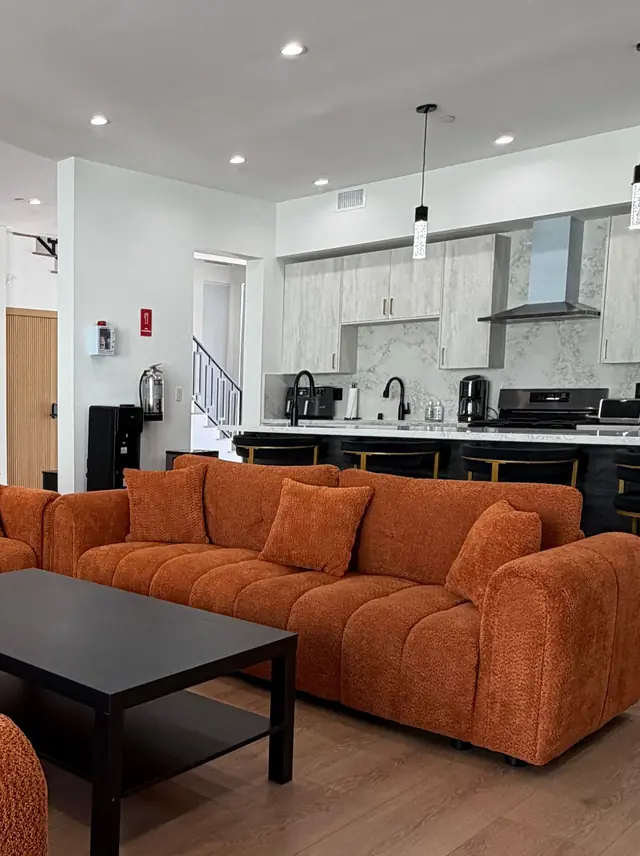
Tour the Residence
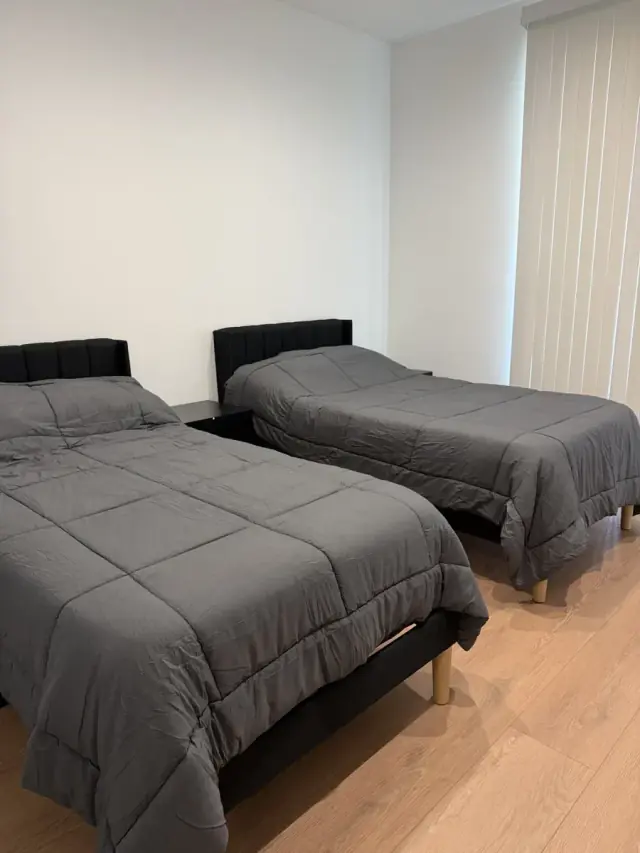
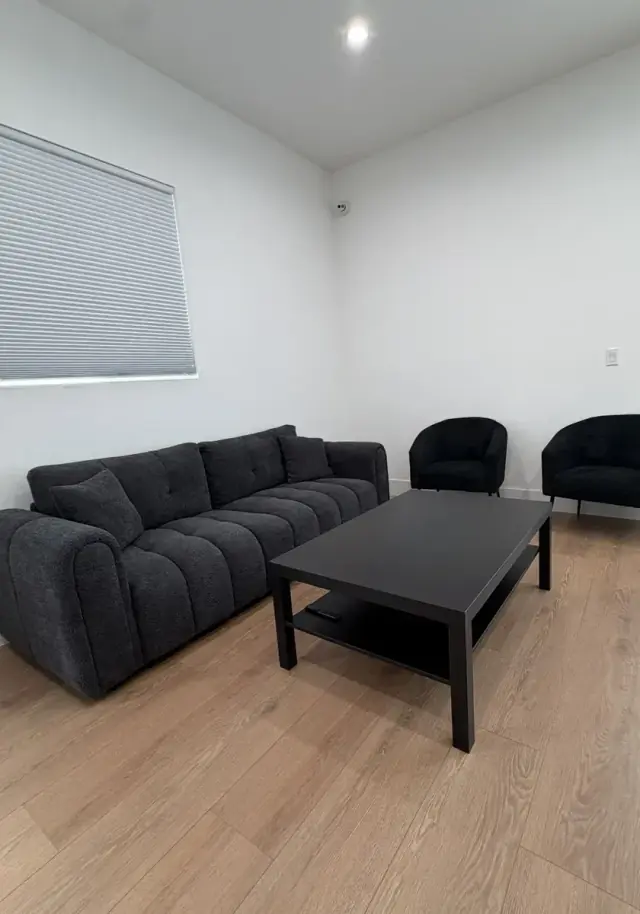
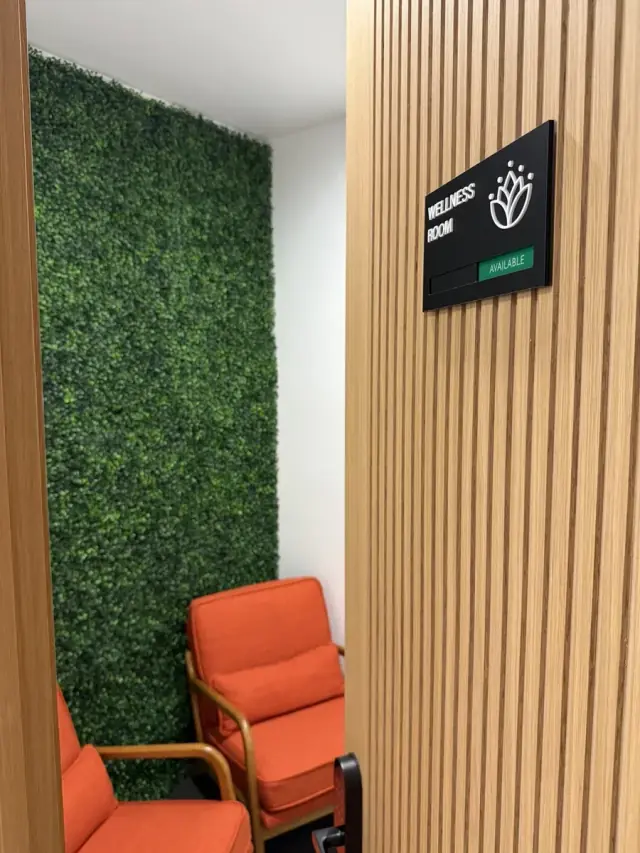
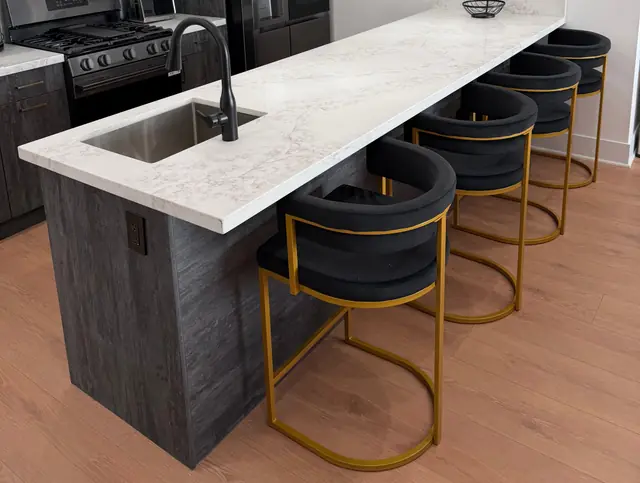
Bedrooms, lounges, the wellness room and the garden, photographed as they are.
Sources
- CDC, Polysubstance overdose (Overdose Prevention, 2024)
- CDC, Polysubstance use facts (Stop Overdose, 2024)
- CDC, MMWR 73(6): Routes of drug use among drug overdose deaths, United States, 2020 to 2022 (2024)
- CDC, MMWR 71(50): Drug overdose deaths among persons aged 10 to 19 years, United States, July 2019 to December 2021 (2022)
- CDC, Stimulant overdose (Overdose Prevention, 2025)
- CDC, Fentanyl (Overdose Prevention, 2025)
- CDC, Fentanyl facts (Stop Overdose, 2024)
- CDC, Treatment of opioid use disorder (2024)
- National Institute on Drug Abuse, Fentanyl
- National Institute on Drug Abuse, Benzodiazepines and opioids
- National Institute on Drug Abuse, Co-occurring disorders and health conditions
- National Institute on Drug Abuse, Principles of Drug Addiction Treatment
- SAMHSA, TIP 33: Treatment for Stimulant Use Disorders (2021)
- SAMHSA, TIP 63: Medications for Opioid Use Disorder (2021)
- FDA, Boxed warning updated to improve safe use of benzodiazepine drug class (2020)
- California DHCS, Incidental Medical Services
- California DHCS, SUD Recovery Treatment Facilities (state facility record)
- 988 Suicide and Crisis Lifeline
This page is for information and is not a substitute for medical, legal or insurance advice. Sources checked October 10, 2026.
Admissions, 24 hours a day
Fentanyl rehab in Los Angeles that plans for everything in the mix.
Call admissions at any hour. Tell us what was used alongside fentanyl and how it began, and we will talk through whether residential treatment at Lumora fits and what it would need to address.