
Cocaine rehab · Tarzana, CA
Cocaine rehab in Los Angeles, built on what the research supports.
Cocaine rehab in Los Angeles treats the addiction itself once the crash is over, and at Lumora that work happens in a state-licensed house in Tarzana. With no FDA-approved medicine for cocaine, treatment is behavioral: federal guidance rates contingency management, which rewards drug-free tests, as the strongest option, alongside community reinforcement and CBT.
Cocaine rehab after the crash: where treatment begins
Withdrawal from cocaine is the first stage, and it is mostly psychological: exhaustion, heavy sleep, low mood and craving. The real risks in that stage are depression and suicidal thoughts rather than physical danger. Our page on the first days and weeks off cocaine covers that stretch in full. This page picks up afterward, when the question shifts from getting through the crash to staying away from the drug.
That second question is the harder one. The National Institute on Drug Abuse (NIDA) says the FDA has approved no medication for cocaine use disorder, so behavioral treatment is the main tool, and NIDA reports that it works in residential and outpatient settings alike. SAMHSA’s guide to treating stimulant use disorders (TIP 33) goes further and ranks the options by the strength of their evidence.
Last updated
The level of care
What does residential treatment for cocaine addiction involve?
Residential treatment for cocaine addiction means living at a licensed program while working on the behavior, thinking and surroundings that keep cocaine use going, with no medicine to lean on.
In practice, federal guidance describes a mix of approaches rather than one therapy. The ones with research behind them, covered below, reward drug-free tests, rebuild the parts of life that compete with cocaine, and teach skills for the moments when craving hits. A residential stay also puts distance between the person and the people tied to their use; TIP 33 names a return to networks of people who use as a primary reason people go back to cocaine.
Residential care is one part of a longer course. NIDA’s treatment principles say most people need at least three months of treatment in total to reduce or stop drug use significantly, and that recovery often takes more than one episode of care. A good residential plan therefore ends with the next step already arranged.
Is crack cocaine treated the same way?
Yes. Crack is cocaine in another form, and federal guidance does not treat it as a separate addiction. Treatment for crack cocaine addiction draws on the same evidence, starting with contingency management.
SAMHSA’s 2025 National Survey on Drug Use and Health found that 4.9 million people aged 12 or older (1.7%) used cocaine, crack included, in the past year, with no change since 2021.
Evidence, ranked
Which cocaine addiction treatments have the strongest evidence?
Contingency management has the strongest evidence of any cocaine addiction treatment. TIP 33 calls it the only treatment for stimulant use disorders with significant evidence of effectiveness, and places other therapies behind it in clear tiers.
| Approach | How federal guidance rates it | What it involves |
|---|---|---|
| Contingency management (CM) | First. TIP 33 calls it the one treatment with significant evidence; SAMHSA’s resource guide rates its evidence as strong; NIDA says it helps people reach early abstinence and stay in treatment. | Small, prompt rewards for drug-free urine tests or other agreed goals, explained step by step below. |
| Community reinforcement approach (CRA) | Strong evidence in SAMHSA’s guide. Paired with CM, it led a review of 50 trials. | Rebuilding relationships, work and free time so that a life without cocaine is more rewarding than one with it. |
| Cognitive behavioral therapy and relapse prevention | Rated strong by SAMHSA’s guide and effective by NIDA; TIP 33 calls the stimulant evidence still unclear and strongest when combined with CM. | Skills for spotting the situations, thoughts and moods that lead to use, and practicing other responses. |
| Motivational interviewing | Some support, mostly when combined with CM, according to TIP 33. | Conversations that help a person weigh change in their own words. |
| Exercise, mindfulness, family or couples therapy, the Matrix Model | Less support so far, in TIP 33’s ranking. Family therapy research for stimulants is scant but promising. | Useful additions to a plan, not substitutes for the approaches above. |
| Medicine | None approved by the FDA for cocaine use disorder, according to NIDA and TIP 33. | Any medicine prescribed would be for a specific symptom, chosen by a prescriber for that person. |
Ratings from SAMHSA’s TIP 33 (2021) and its Evidence-Based Resource Guide on stimulant use disorders (2020), and from NIDA. The two SAMHSA documents differ in detail: the 2020 guide rates CM, CRA and CBT all as strong; the 2021 TIP singles out CM. Neither describes any one program.
The ranking matters because therapies are often listed side by side, as if each carried equal weight. For cocaine they do not. A plan built around the approaches at the top of this table is following the research; one that leaves them out is not, however long its list of therapies.
Contingency management
How does contingency management for cocaine work?
Contingency management for cocaine works by giving a small, immediate reward each time a person reaches an agreed goal, most often a urine test free of stimulants. The design details below come from TIP 33 and SAMHSA’s resource guide.
A clear target
The usual target is a stimulant-negative urine test. Programs can also reward attendance or other agreed steps, but a clean test is the standard measure.
Frequent testing
Many evaluations tested people two to three times a week, often over about 12 weeks, so a reward follows soon after the behavior it reinforces.
Rewards that grow
On an escalating schedule, each consecutive negative test is worth a little more. A positive test resets the value to the starting point, so a run of clean tests becomes worth protecting.
Or a prize draw
In the fishbowl method, each negative test earns draws from a bowl of slips, some carrying prizes of different sizes. NIDA describes prize-based programs lasting at least three months.
Rewards can be vouchers, points, tokens, privileges, small items or cash; SAMHSA notes they need not be money to work. In the studies SAMHSA reviewed, outcomes included fewer days of stimulant use and less craving, and NIDA adds that people in contingency management who were struggling with depression and distress saw those problems ease as well.
Five questions that show whether a program really offers it. Is contingency management provided on site, or by referral to someone who does? What exactly earns a reward? How often are tests done? What happens to the reward after a positive test? Does it continue once the residential stay ends? A program should be able to say whether it provides contingency management or where it refers people for it.
Community reinforcement
What is the community reinforcement approach, and why pair it with contingency management?
The community reinforcement approach is a counseling method that helps a person build a life in which not using cocaine pays off more than using it. Paired with contingency management, it produced the strongest results in the largest review TIP 33 cites.
SAMHSA’s resource guide describes it as developed for alcohol and later adapted for cocaine. It works on four areas: relationships with family and partners, help with work or training, skills for turning down drugs, and new activities and recreation to fill the time cocaine used to take. It is often delivered within inpatient programs or alongside vouchers, and can continue weekly in outpatient care. NIDA describes a version with vouchers as an intensive 24-week outpatient therapy for cocaine and alcohol.
What the 50-trial review found
TIP 33 reports an analysis of 50 randomized trials covering 12 different treatments and nearly 7,000 participants. Contingency management combined with community reinforcement came out as the most effective option and the one people were least likely to drop out of. It was the only approach that raised abstinence at the end of treatment and at both short- and long-term follow-up.
The logic is easy to follow. Contingency management makes the first weeks without cocaine worth something right away; community reinforcement builds the job, relationships and routine that keep paying once the vouchers stop.
Skills
How do CBT and relapse prevention help after cocaine?
CBT and relapse prevention help by teaching a person to recognize what sets off cocaine use and to practice other responses before those moments arrive. The evidence is real but less settled than for contingency management.
NIDA reports that cognitive behavioral therapy is effective for cocaine, including a computer-based version known as CBT4CBT, and that it combines well with other treatments. TIP 33 is more careful. It says the effectiveness of CBT for stimulant use disorders is still unclear, that it may help most when added to contingency management, and that for cocaine its benefit may show up later, after treatment has ended.
Relapse prevention, a close relative of CBT, has one finding families can use directly. TIP 33 reports that three avoidance habits predicted drug-free tests: cutting down on other drug use, staying away from friends who use, and avoiding places where drugs are easy to get.
A plan for staying off cocaine also covers overdose, because the CDC reports that illegally made fentanyl is mixed into cocaine, often without the buyer knowing, and TIP 33 notes that much of the cocaine sold today contains fentanyl or heroin. Why that raises the stakes of a relapse is explained in why a return to cocaine carries more overdose risk; the signs of an opioid overdose and how naloxone is used are in our guide to fentanyl, overdose and the reversal medicine. When fentanyl use is part of the picture in its own right, see residential care built around fentanyl use.
Relapse prevention
Which habits and triggers matter most in staying off cocaine?
Cutting down on other drugs, avoiding friends who use and staying out of places where cocaine is easy to get are the three habits TIP 33 found predicted drug-free tests. The rest are common craving triggers from TIP 33’s list, each worth a written plan.
- Cutting down on other drugs, alcohol includedReducing other drug use was one of the three habits TIP 33 found predicted drug-free tests.
- Keeping away from friends who still useTIP 33 calls a return to networks of people who use a primary reason for going back.
- Staying out of places where cocaine is easy to getPlaces appear on TIP 33’s list of craving cues, and avoiding them predicted clean tests.
- Having cash on handTIP 33 lists cash itself as a trigger, so how money is handled in early recovery belongs in the plan.
- Evenings and weekendsUnstructured hours are a listed cue. A plan for Friday night is more useful than a general resolve.
- Boredom and other strong moodsTIP 33 names boredom among the moods that can bring on craving.
Cocaine and alcohol
Why does drinking matter in cocaine treatment?
Drinking matters because alcohol and cocaine together are harder on the heart than either alone, and because alcohol use is linked with returning to cocaine. TIP 33 makes both points, and they lead to one practical rule.
In the body
When both are used, the liver makes cocaethylene. TIP 33 says it lasts longer than cocaine and that the combination raises the risk of heart attack and stroke; it cites an 18 times higher risk of sudden death than with cocaine alone. NIDA notes cocaethylene may add to cocaine’s toxic effects on the heart.
In recovery
TIP 33 reports that alcohol use is linked with going back to cocaine. Drinking also counts among the other substances whose use the relapse-prevention research says to cut down.
In the plan
TIP 33 advises assessing everyone in stimulant treatment for alcohol use disorder and treating it when it is present, not leaving drinking for later.
When drinking has become a disorder of its own, our page on rehab for alcohol use disorder once detox is done explains that treatment. Stopping heavy drinking is a separate medical question, with risks cocaine withdrawal does not carry; see what makes alcohol withdrawal different.
Measuring progress
What counts as progress in cocaine treatment?
Progress in cocaine treatment includes using less often, not only stopping completely. A 2024 NIDA analysis found that cutting down brought measurable gains, while full abstinence brought the largest ones.
What 13 trials showed. NIDA researchers pooled 13 randomized trials run between 2001 and 2017, with more than 2,000 people seeking treatment for cocaine or methamphetamine use disorder. More participants reduced their use (18%) than stopped entirely (14%). Going from use on five or more days a month to one to four days was linked with less craving, less depression and fewer drug-related problems. Abstinence produced the greatest improvement.
This changes how a family might read the months after rehab. A single use after weeks without cocaine is not the same as a return to daily use, and treating it as total failure can push someone away from the help that would stop the slide.
Why continuing care matters
Gains can fade when support stops. TIP 33 cites one analysis in which contingency management showed effects at three months that were no longer seen at six. NIDA notes that relapse rates in addiction resemble those of other chronic illnesses, and that a return to use signals a need to adjust treatment rather than abandon it.
Length of stay
How long does cocaine rehab last, and why is 28 days not a rule?
Cocaine rehab has no standard length. TIP 33 says residential treatment for stimulant use disorders can last from 30 days to a year, and warns against giving everyone the same fixed stay.
The familiar 28-day program has a history. TIP 33 explains that when demand for cocaine treatment surged in the 1980s, 28-day inpatient programs were adapted from alcohol programs with little research input. The number stuck because it was already there, not because studies picked it. TIP 33 now advises against a one-size stay, such as 60 days for everyone, and describes stimulant use disorders as chronic, relapsing conditions.
NIDA adds the longer view: most people need at least three months of treatment in total, and longer engagement is tied to stronger results. Therapeutic communities, a longer-term residential model, may run six to twelve months. How long anyone stays at Lumora is decided by the assessment and the person’s progress, not by a calendar.
Withdrawal
The crash and the weeks after it, the weeks when mood and suicide risk need the closest watch.
Residential treatment
Behavioral work while living away from the drug, its people and its places.
Outpatient step-down
TIP 33 says residential care should be followed by outpatient treatment as a matter of course.
Continuing support
Ongoing care plus mutual help such as Cocaine Anonymous, Narcotics Anonymous or SMART Recovery, which TIP 33 says programs should strongly encourage.
How the last two steps are arranged is set out in planning the steps after a residential stay.
Mood
How is depression handled during cocaine treatment?
Depression during cocaine treatment is assessed and treated alongside the drug use rather than after it, which is what NIDA’s treatment principles call for whenever a mental health condition occurs with addiction.
Low mood is common after cocaine, and for some people it is the start of something more serious. Depression can bring thoughts of suicide, which is why the safety card below matters as much in treatment as in withdrawal. Two research findings point in a hopeful direction: NIDA reports that depression and distress eased in people receiving contingency management, and its 2024 analysis linked reduced cocaine use with less depression.
NIDA also notes that aftercare helps with the depression and falling confidence that can follow treatment. When a mental health condition occurs with the cocaine use, it belongs in the same plan; read about dual diagnosis assessment and care at Lumora.
Before you choose
What should families ask any cocaine rehab?
Each question checks a program against federal guidance on stimulant treatment. They work for any program, and we expect them to be asked of us.
- Do you provide contingency management, or refer to someone who does?TIP 33 ranks it first for stimulant use disorders. A program should say how it is delivered, or where.
- How will drinking be assessed and treated?TIP 33 links alcohol use with returning to cocaine and advises screening everyone for alcohol use disorder.
- How is length of stay decided?TIP 33 warns against one fixed stay for everyone. The answer should depend on the person.
- What outpatient care follows the residential stay?TIP 33 expects every residential stay to step down into outpatient treatment.
- What happens if someone uses during treatment?NIDA treats a return to use as a reason to adjust care, not to end it.
- How are mood and suicide risk checked?Depression and suicidal thoughts are the main dangers after stimulant use.
- How are families involved?TIP 33 calls family therapy research for stimulants scant but promising; ask what is offered and how often.
- Which state record shows your license?California’s Department of Health Care Services licenses residential programs and publishes the list of facilities it licenses.
At Lumora
Cocaine rehab in Los Angeles: Lumora in Tarzana
Lumora is a house on a quiet street in Tarzana, in the San Fernando Valley. The state’s public facility data lists Lumora Recovery at 6130 Wilbur Avenue as a residential program with detoxification (RES-DETOX), DHCS License No. 191642AP, licensed for six residents, with approval for incidental medical services. Families can check it in Lumora’s entry in the DHCS facility dataset, and read more about who runs Lumora and how it is licensed.
The license covers detoxification and residential treatment at the same address. When someone needs to get through withdrawal first, they do it here, and treatment carries on under the same roof without a transfer. Cocaine withdrawal on its own is not usually a medical emergency, so the assessment at admission asks a wider question: whether residential care at Lumora fits the person at all, or whether outpatient care at a lower intensity or a hospital would serve them better. Our detox overview explains when withdrawal needs a hospital first, and more on the level of care in general is on our residential treatment hub.
When methamphetamine is involved too, treatment shifts in ways covered on our page about meth rehab and the slower pace it needs, and the withdrawal stage differs as well; see why the meth crash runs longer.
We work with many PPO plans, and admissions checks benefits on the phone; the phone benefits check explains what is asked, and for what shapes the total, see the factors that drive the cost of a stay.
Safety first
Low mood turning into thoughts of suicide: call or text 988.
Depression after cocaine can bring thoughts of suicide, during treatment as well as in withdrawal. If someone talks about ending their life, call or text 988 to reach the Suicide and Crisis Lifeline at any hour, and stay with them. Call 911 if they are in immediate danger, or after cocaine use for a seizure, chest pain, a racing heartbeat or trouble breathing.
FAQ
Questions families ask
Can a residential program use contingency management, or is it only for outpatient care?
It can be used in either. SAMHSA’s resource guide on stimulant use disorders lists inpatient settings alongside primary care and community outpatient programs. Many of the studies behind it ran for about 12 weeks, so a plan that carries the incentives on after a residential stay ends is worth asking about.
Are the rewards in contingency management paid in cash?
Sometimes, but they do not have to be. SAMHSA describes vouchers, points, privileges and prize draws as well as cash, and TIP 33 notes that rewards need not be money to work.
Is stimulant use disorder usually mild or severe?
It splits roughly evenly. Of the 4.5 million people with a stimulant use disorder in SAMHSA’s 2025 survey, 40.7% had the mild form and 39.1% the severe form. How severity differs when a stimulant was only taken as prescribed is shown in how a use disorder is judged when the medicine was prescribed.
Does cutting back on coke count as progress, or only quitting?
Cutting back counts. A 2024 NIDA analysis of 13 clinical trials found that people who went from using cocaine or methamphetamine on five or more days a month to one to four days had less craving and depression. Stopping completely brought the largest improvement.
Is CBT proven to work for cocaine addiction?
Partly. NIDA reports that cognitive behavioral therapy is effective for cocaine and can be combined with other treatments. TIP 33 is more cautious: it calls the evidence for stimulants unclear, finds CBT most useful alongside contingency management, and notes that its benefit for cocaine may appear after treatment has ended.
Is Cocaine Anonymous a substitute for rehab?
It works better as a companion to treatment than as a replacement. TIP 33 says programs should strongly encourage Cocaine Anonymous, Narcotics Anonymous or SMART Recovery, and NIDA notes that community recovery groups may help people stay off the drug after formal treatment.
How many people in the US have a stimulant use disorder?
About 4.5 million people aged 12 or older (1.5%) had a stimulant use disorder in 2025, according to SAMHSA’s national survey. The figure covers cocaine, methamphetamine and prescription stimulants, and shows no change since 2021.
How successful is rehab for cocaine addiction?
No federal source gives a single success rate, and any program quoting one deserves questions. NIDA compares relapse rates in addiction with those of other chronic illnesses and says a return to use is a sign to adjust treatment, not proof that it failed. Research also counts reduced use as real progress.
Why do the gains from cocaine treatment sometimes fade after it ends?
Because support often stops when the hardest test begins. In one analysis cited by TIP 33, contingency management showed effects at three months that were no longer visible at six. TIP 33 also names a return to friends who use as a primary reason people go back to cocaine.
Should alcohol be treated at the same time as cocaine?
TIP 33 says yes, when drinking is part of the picture. It advises programs to assess everyone in stimulant treatment for alcohol use disorder, because drinking is linked with returning to cocaine and the two drugs together form cocaethylene, which NIDA says may add to the toxic effects on the heart. Heavy drinkers should know first why stopping alcohol can need medical care.
Other ways we help
Care at Lumora
-
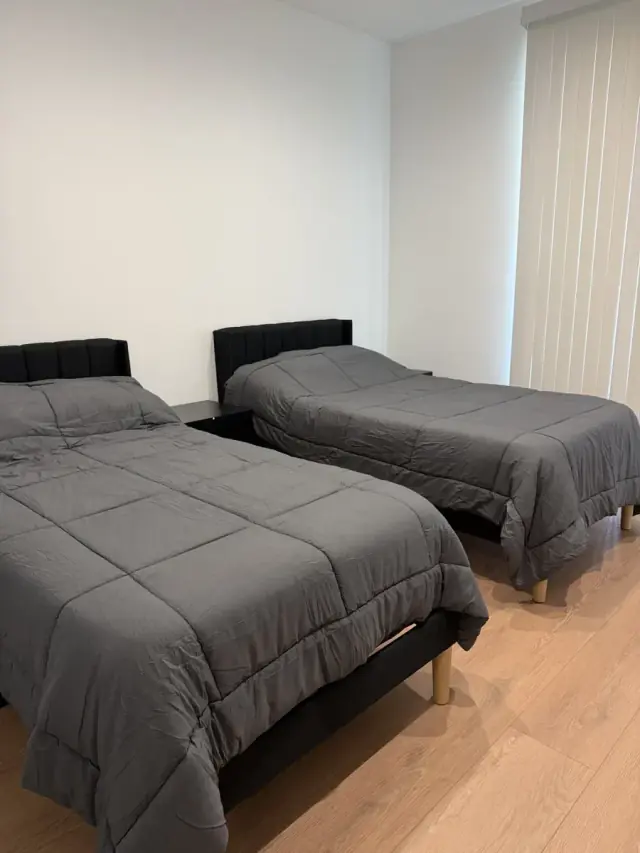
Medical Detox
Medically supervised withdrawal in the residence, leading straight into residential treatment.
-
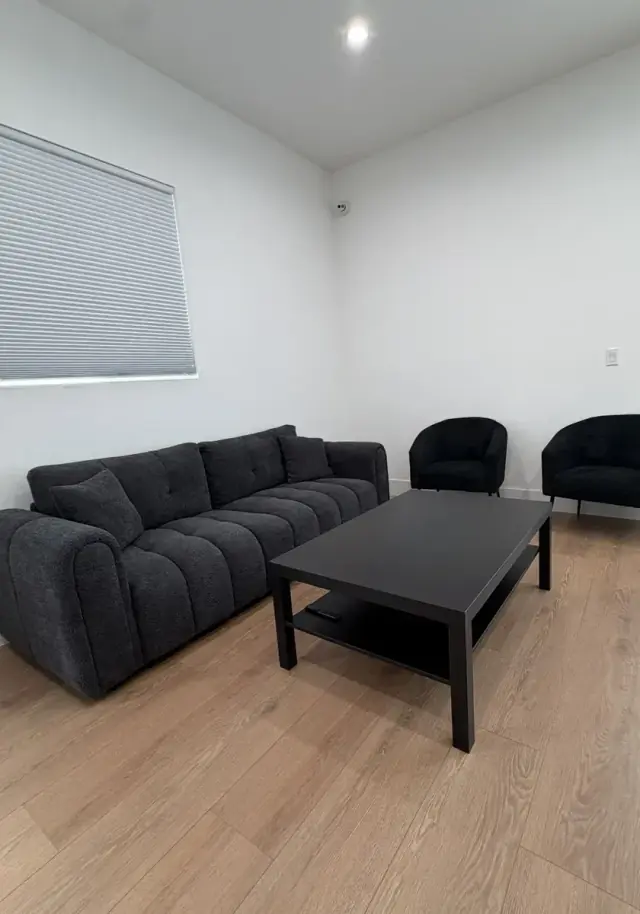
Residential Treatment
Living at Lumora for the length of the program, rather than going home each night.
-
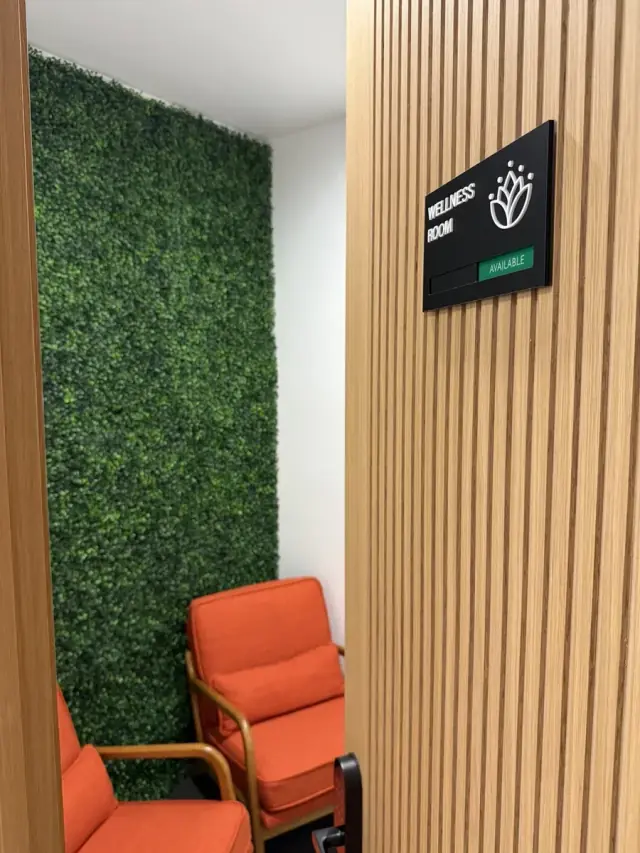
Dual Diagnosis Care
Mental health conditions that occur with substance use, treated together with it.
-

Eating Disorder Support
Coordinated planning for eating disorders alongside substance use, including referral when that is safer.
-
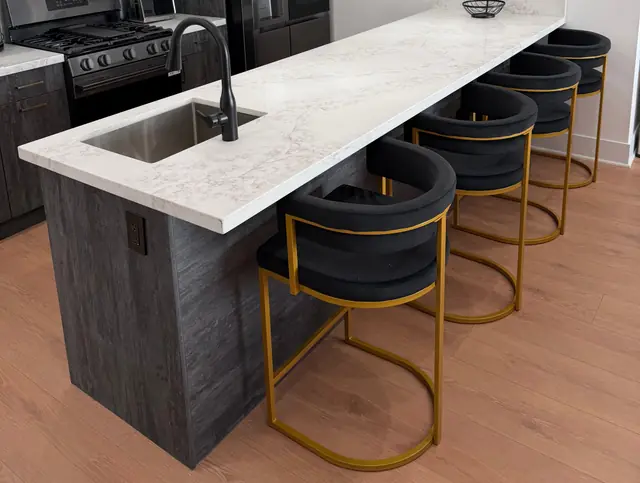
Aftercare Planning
A plan for life after Lumora, pointing to PHP, IOP, outpatient care, sober living or therapy near home.
-
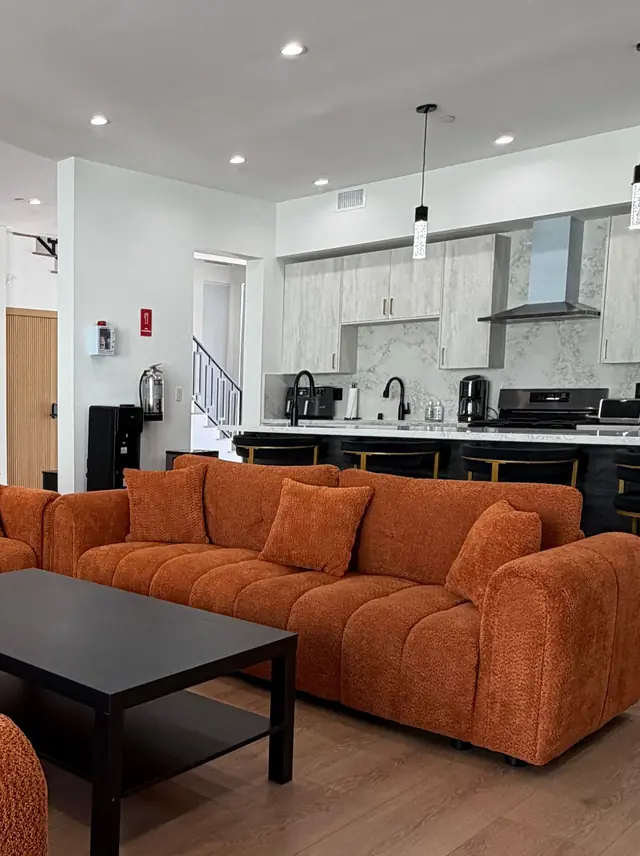
Tour the Residence
Bedrooms, lounges, the wellness room and the garden, photographed as they are.
Sources
- SAMHSA, TIP 33: Treatment for Stimulant Use Disorders (updated 2021)
- SAMHSA, Evidence-Based Resource Guide Series: Treatment of Stimulant Use Disorders (2020)
- National Institute on Drug Abuse, Cocaine
- National Institute on Drug Abuse, Reduced drug use is a meaningful treatment outcome for people with stimulant use disorders (January 2024)
- National Institute on Drug Abuse, Principles of Drug Addiction Treatment
- SAMHSA, Key Substance Use and Mental Health Indicators: Results from the 2025 National Survey on Drug Use and Health (July 2026)
- CDC, Fentanyl
- California DHCS, Licensing and Certification: facility licensing
- California DHCS, Incidental Medical Services
- California DHCS, SUD Recovery Treatment Facilities (state facility record)
- 988 Suicide and Crisis Lifeline
This page is for information and is not a substitute for medical, legal or insurance advice. Sources checked October 10, 2026.
Admissions, 24 hours a day
Cocaine rehab in Los Angeles, chosen with the evidence in hand.
Call admissions at any hour. Bring the questions on this page. We will answer the ones about Lumora directly, and tell you if another setting would suit the person better.