
Meth rehab · Tarzana, CA
Meth rehab in Los Angeles, paced for how meth affects thinking.
Meth rehab in Los Angeles is treatment for methamphetamine addiction that begins after withdrawal. With no FDA-approved medicine, it is behavioral: contingency management has the strongest evidence, with CBT and exercise in support. Meth can dull memory and attention, so good programs pace the work and plan for physical health too.
Meth rehab after withdrawal: what changes
Treatment begins once the crash and the first weeks of withdrawal have passed. That stage is mainly psychological: exhaustion, long sleep, low mood and craving, with depression, suicidal thoughts and sometimes psychosis as the real risks rather than physical danger. It is described in detail in how meth withdrawal unfolds before treatment starts.
After withdrawal, the work turns to the addiction itself. SAMHSA’s guide to treating stimulant use disorders (TIP 33) says meth withdrawal can be more intense and drawn out than the crash that follows cocaine, and that meth’s effects on attention, memory and decision making likely last longer too. Good meth treatment is built around that fact, and this page explains how.
Last updated
The level of care
What does residential treatment for crystal meth addiction involve?
Residential treatment for crystal meth addiction is behavioral care delivered while the person lives at a licensed program, away from the drug and the people who supply it, for as long as the assessment and their progress call for.
Crystal meth is one form of methamphetamine, and the treatment is the same whatever form was used. NIDA lists the evidence-based approaches as contingency management, cognitive behavioral therapy, group support and motivational interviewing. SAMHSA’s 2020 resource guide on stimulant use disorders adds the community reinforcement approach, which rebuilds relationships, work and free time around a life without the drug.
What sets meth rehab apart is pace and breadth. Pace, because thinking can be slow to recover, so information has to be repeated and the most demanding therapy held back. Breadth, because years of use often leave dental, heart, skin and infection problems that a treatment plan should arrange care for.
Residential care is one stage of several. NIDA’s treatment principles say most people need at least three months of treatment overall, and TIP 33 says residential care should step down into outpatient treatment at a lower intensity afterward. The step-down options are explained in what happens in the months after a residential stay.
Evidence
Which treatments for meth addiction have the strongest evidence?
Contingency management has the strongest evidence of any treatment for meth addiction, and adapted forms of cognitive behavioral therapy come next. No medicine is approved by the FDA for methamphetamine use disorder.
Contingency management first
Contingency management gives small, tangible rewards, such as vouchers, prizes or gift cards, for drug-free tests. NIDA calls it the most studied behavioral treatment for meth and the one most associated with success. TIP 33 is specific: across 44 studies of non-drug treatments for methamphetamine, contingency management had the strongest evidence, and 26 of 27 studies of it reported reduced meth use. How the rewards, testing and resets work is set out step by step on our cocaine rehab page, where contingency management is explained in full.
CBT, alone or combined
The same TIP 33 review found that CBT adapted for methamphetamine use was also effective, on its own or alongside contingency management. NIDA lists motivational interviewing and group support as further evidence-based approaches.
Medicine
NIDA and TIP 33 both state that the FDA has approved no medication for methamphetamine use disorder, so treatment is behavioral. Medication research continues and is covered in the FAQ below.
Less use still counts
A 2024 NIDA analysis that included people treated for methamphetamine found that using less often brought real gains, as set out in the reduced-use findings on our cocaine rehab page.
The Matrix Model
What is the Matrix Model, and where does it fit in meth treatment?
The Matrix Model is a structured outpatient program for stimulant addiction, developed in the mid-1980s for cocaine and methamphetamine. It has research behind it, but TIP 33 places it among approaches with less support than contingency management, CBT, community reinforcement and motivational interviewing.
| Question | What TIP 33 and NIDA describe |
|---|---|
| What it is | A manualized outpatient approach, also called the neurobehavioral model, created in the mid-1980s for people who use cocaine or methamphetamine. |
| What it includes | Early recovery skills, relapse prevention, family education, social support groups, individual sessions, regular urine tests and encouragement toward 12-step groups. TIP 33 adds motivational interviewing and psychoeducation. |
| How it is delivered | Group and individual sessions in an outpatient setting, following a written manual. |
| What studies found | Seven research projects linked it with reduced drug and alcohol use, better psychological symptoms and less HIV-related sexual risk, according to TIP 33 and NIDA. |
| Where it ranks | In TIP 33’s grouping it sits with exercise, mindfulness and family or couples therapy, behind contingency management, CBT and relapse prevention, community reinforcement and motivational interviewing. |
| What to ask | Which parts of the model a program uses, for how long, and whether contingency management is added to it. |
Summary of SAMHSA’s TIP 33 (2021) and NIDA’s Principles of Drug Addiction Treatment. It describes the model, not any particular program’s version.
Two points follow for families. First, the Matrix Model was designed for outpatient care, so a residential program that mentions it is borrowing parts of an outpatient design, and it is fair to ask which parts. Second, it is sometimes presented as the leading treatment for meth. The federal ranking does not support that; contingency management does more, and the two can be combined.
Thinking and memory
Why does meth addiction recovery take longer, and how should treatment adapt?
Meth addiction recovery often takes longer because methamphetamine can impair attention, memory and decision making, the very abilities therapy relies on. TIP 33 tells programs to adjust for this rather than push through it.
| What can be affected | What it looks like | How treatment should adapt |
|---|---|---|
| Attention | A short attention span and trouble concentrating, which TIP 33 lists among common problems after stimulant use. | Repeat key points and check they have landed, rather than assuming they were taken in. |
| Memory | Poor short-term memory. NIDA reports that some studies found reduced verbal learning and slower reaction time with long-term use. | Use repetition, and do not depend on the person remembering what was said in an earlier session. |
| Planning and decisions | TIP 33 describes decline in decision making and executive function, the skills used to plan and resist impulses. | Check for cognitive problems early, and hold more complex therapy until thinking recovers after a period without meth. |
| Self-care | Lapses in eating, sleeping and oral hygiene, which TIP 33 notes are common. | Make regular meals, sleep and basic care part of the daily structure. |
| Suspicion | Paranoia, which TIP 33 lists alongside poor concentration and short-term memory. | TIP 33 calls for a safe, trusting environment before anything else. |
From SAMHSA’s TIP 33 (2021) and NIDA. How long these effects last has not been well described; TIP 33 says brain imaging suggests the problems last longer after meth than after cocaine. No source gives a recovery date for any one person.
SAMHSA’s resource guide makes the same point about timing: complex therapy is better deferred until cognition has had time to recover.
For families
How can families help while memory and focus recover?
Families can help by matching the way they communicate to how the person is thinking right now, using the same three habits TIP 33 asks of programs.
Put it in writing
Write down plans, appointment times and agreements. A note on the fridge does the work a fragile memory cannot.
Keep it short
One topic per conversation, in short sentences. Long talks about the past can wait until concentration returns.
Expect repetition
Being asked the same question twice is part of recovery, not a sign of indifference. Answering calmly keeps trust intact.
Family involvement in stimulant treatment has been studied less than it deserves. TIP 33 calls the research on family and couples therapy for stimulants scant but promising, so it is reasonable to ask any program what role relatives play and how often.
Exercise
Does exercise help people recover from meth?
Exercise does help, according to the studies TIP 33 reviews: it improved mood, anxiety, craving and meth use itself compared with control groups.
The findings are broader than fitness. TIP 33 reports gains in aerobic capacity and strength, but also in depression, anxiety, craving and inhibitory control, the ability to stop an impulse before acting on it. People with less severe meth use who were assigned to exercise had fewer days of use.
One result applies directly to residential care. In a trial run inside residential treatment programs, a 12-week course of structured exercise raised the share of days people stayed abstinent. SAMHSA’s resource guide also encourages rest, exercise and a healthy diet in the early weeks.
TIP 33 still groups exercise with approaches that have less support than contingency management, so it works as an addition to a plan rather than the center of one. A good question for any program is how physical activity fits into the day.
Physical health
What should a meth treatment plan do for physical health?
Long-term meth use leaves marks a treatment plan should address, not just note. These six items come from TIP 33 and NIDA. Many are general medical care, which California’s incidental medical services approval does not cover, so ask who arranges each one.
- A dental assessment and a plan for careTIP 33 reports that people who use meth are four times as likely to have cavities, twice as likely to have untreated ones, and twice as likely to have decayed, missing or filled teeth.
- HIV and hepatitis B and C testingNIDA links meth use with HIV and viral hepatitis through shared injection equipment or sexual behavior.
- A heart check after long-term useTIP 33 lists high blood pressure and heart muscle disease among the effects of chronic use; NIDA adds stroke and heart failure.
- Care for skin and injection sitesTIP 33 notes skin abscesses with injection, and NIDA warns of bacterial infections such as endocarditis from shared equipment.
- Regular meals, sleep and hygieneTIP 33 describes a loss of routine self-care, from eating to oral hygiene, that daily structure can rebuild.
- A place for physical activity in the dayExercise improved mood, craving and meth use in the studies TIP 33 reviews, as described above.
After psychosis
If meth psychosis happened, what should the discharge plan include?
If someone has had meth psychosis, the discharge plan should name who follows it up and what to do if it returns. TIP 33 says persistent meth psychosis can last months or even years after use stops and may need long-term psychiatric management.
Most stimulant psychosis is temporary, TIP 33 notes, but the persistent form can resemble schizophrenia. NIDA reports that heavy drinking and stress raise the chance of psychosis coming back in people who have had it, and TIP 33 adds lack of sleep and renewed use. What to expect while psychosis is active is covered in the acute psychosis guide on our meth detox page; the six points below concern the weeks after treatment ends.
A named follow-up
A psychiatric appointment booked before discharge, with a named clinician or service, rather than a suggestion to find one.
Warning signs on paper
The person’s own early signs, such as suspicion or broken sleep, written down so family members recognize them too.
A sleep plan
Lack of sleep is one of the triggers TIP 33 names, so regular sleep is part of the protection, not a comfort.
A plan for alcohol
NIDA links heavy drinking with psychosis returning; the plan should say how drinking will be handled, including whether stopping alcohol needs medical care.
Who the family calls
One number for the treating clinician, and an agreed point at which the family calls for urgent help.
988 and 911 by the phone
988 for a mental health crisis or talk of suicide; 911 for threats, violence or acting on frightening beliefs.
Where Lumora fits. Lumora is a licensed residential program, not a psychiatric hospital. TIP 33 notes that meth use raises the risk of violent behavior, so psychosis involving danger to the person or others is treated in a hospital or psychiatric setting first. The assessment decides whether residential care at Lumora is the right next step, and admissions will say so if it is not.
Relapse risks
What raises the risk of going back to meth?
Going back to meth is most often linked with returning to people who use, with alcohol and cannabis, and with meth use tied to sex, according to TIP 33.
People and places
TIP 33 calls a return to networks of people who use a primary reason for recurrence. A discharge plan that sends someone back to the same friends and the same evenings without a new structure is starting at a disadvantage.
Alcohol and cannabis
Both are linked with dropping out of methamphetamine treatment, TIP 33 reports. A plan should say how each will be handled. When drinking has become a problem of its own, see residential care focused on alcohol; when cannabis has, read about treatment for cannabis use disorder.
Meth and sex
TIP 33 names sexual behavior associated with stimulant use as an important contributor to returning to use, particularly for men. Raising it openly in treatment, with sexual health care included, lets the plan address it directly.
Mutual help
TIP 33 says groups such as Crystal Meth Anonymous and Narcotics Anonymous help, and recommends that programs encourage mutual help, SMART Recovery included, alongside professional care.
Low mood can also pull people back. MedlinePlus names mood problems, including depression and suicide, as harms of amphetamine use, and when a mental health condition occurs with the drug use it belongs in the same plan; read about dual diagnosis care for co-occurring conditions.
Overdose in a changed supply
A relapse plan after meth rehab also covers overdose. The CDC reports that illegally made fentanyl is mixed into methamphetamine, often without the buyer knowing, and NIDA, citing CDC research, reports that meth is the second most commonly found drug in people who die of an overdose, after synthetic opioids. Why that raises the stakes is covered in the hidden-drug risks in today’s meth supply; how to recognize an opioid overdose and use naloxone is on our fentanyl page, and step-by-step naloxone nasal spray instructions are on our heroin detox page. If fentanyl is already part of the drug use, our page on fentanyl addiction treatment after withdrawal covers what changes.
Before you choose
What should families ask any meth rehab?
These questions test a program against what federal guidance says about methamphetamine treatment. Put them to every program you consider, Lumora included.
- Is contingency management part of treatment here, or arranged by referral?It has the strongest evidence for meth. A program should be able to say whether it provides contingency management or where it refers people for it.
- If you use the Matrix Model, which parts, and for how long?It is an outpatient design with less support than contingency management; a residential program can only use pieces of it.
- How do you adjust treatment for memory and attention problems?TIP 33 asks for repetition, no reliance on memory, and complex work held back until thinking recovers.
- Who arranges dental care, HIV and hepatitis testing, and a heart check?These are common needs after long-term use and often fall outside a residential program’s own services.
- Who follows up psychosis after discharge, and is the appointment booked before the person leaves?Persistent meth psychosis can last months or years and may need long-term psychiatric care.
- Where does exercise fit into the day?Exercise improved mood, craving and meth use in the studies TIP 33 reviews.
- How are alcohol and cannabis addressed?TIP 33 links both with dropping out of meth treatment.
- What happens after the residential stay ends?TIP 33 says residential care should step down into outpatient treatment, and NIDA advises at least three months of treatment in all.
At Lumora
Meth rehab in Los Angeles: Lumora in Tarzana
Lumora Recovery is licensed by the California Department of Health Care Services under DHCS License No. 191642AP as a residential program with detoxification for six residents at 6130 Wilbur Avenue, Tarzana (directions and how to reach the house). The state also lists the incidental medical services approval that goes with it. Anyone can confirm both in the state’s own record of Lumora’s license; our page about Lumora’s ownership and license has the background.
That license covers detoxification and residential treatment at one address. A person who comes through meth withdrawal here stays in the same house when treatment begins; nobody is moved to another facility between the two stages. Before any of that, the admissions assessment covers the length and intensity of meth use, any past psychosis or violence, and other substances in the picture. Stimulant withdrawal on its own is rarely a medical emergency, so the question is whether residential care at Lumora suits the person, and if psychosis involves danger, a hospital comes first; our detox overview explains when a hospital is the safer place to start.
The wider program is described on the main residential treatment page. We work with many PPO plans, and admissions checks benefits on the phone through a confidential benefits check. For how plans handle residential care, see what health plans cover in addiction treatment, and for what drives the total, read the costs that add up over a residential stay.
Safety first
Depression can return weeks into meth recovery. 988 answers at any hour.
Low mood after meth can deepen into depression and thoughts of suicide, sometimes long after withdrawal seems over. If someone talks about ending their life, call or text 988 to reach the Suicide and Crisis Lifeline, and do not leave them alone. Call 911 if they are in immediate danger, threaten anyone, or have chest pain or a very high temperature after using.
FAQ
Questions families ask
Is the Matrix Model the most effective treatment for meth addiction?
No. It is well known and has research behind it, but TIP 33 places it among the approaches with less support. Contingency management has the strongest evidence for methamphetamine, followed by CBT, community reinforcement and motivational interviewing. Because the model was built for outpatient care, it helps to know how outpatient programs differ from a residential stay.
Does contingency management work for meth as well as for cocaine?
The evidence for meth is strong in its own right. TIP 33 reports that 26 of 27 contingency management studies in people who use methamphetamine found reduced use, and NIDA calls it the most studied behavioral treatment for meth and the one most associated with success.
Will memory and concentration come back after someone stops using meth?
Federal sources do not promise a timeline. TIP 33 says programs should hold more demanding therapy until thinking recovers after a period without meth, which implies improvement, but it also says the duration of these problems is not well described. NIDA says more research is needed.
Why do people who use meth often have serious dental problems?
TIP 33 connects it with the loss of routine self-care that comes with heavy use, oral hygiene included. It reports that people who use meth are four times as likely to have cavities and twice as likely to have untreated ones. NIDA lists severe tooth decay and loss, often called meth mouth, among long-term effects.
Should someone recovering from meth be tested for HIV and hepatitis?
It is worth raising with a clinician. NIDA links meth use with HIV and viral hepatitis, spread through shared injection equipment or through sexual behavior, and TIP 33 includes HIV risk-reduction teaching in stimulant treatment. Knowing one’s status makes treatment possible if either is present.
Is meth addiction curable?
It is treatable rather than curable in a single course. TIP 33 describes stimulant use disorders as chronic, relapsing conditions, and NIDA compares relapse in addiction with relapse in other chronic illnesses. Evidence-based treatment can reduce use, as the contingency management studies show, and many people need more than one episode of care. Planning for the months after a stay is covered in support that continues once residential treatment ends.
Does cannabis use matter in meth treatment?
It can. TIP 33 reports that alcohol and cannabis use are both linked with dropping out of methamphetamine treatment, so a plan that ignores them leaves a known risk unaddressed.
How does meth use tied to sex affect recovery?
TIP 33 names sexual behavior associated with stimulant use as an important contributor to returning to use, particularly for men. A program can address it directly and without judgment, with sexual health testing as part of the care.
Are new medicines for meth addiction being developed?
Research is under way, but none is approved yet. TIP 33 notes that NIDA runs medication development programs with cocaine and methamphetamine as high priorities. Until something is approved, behavioral treatment remains the evidence-based option.
How widespread is meth use in the United States?
About 2.7 million people aged 12 or older (0.9%) used methamphetamine in 2025, with no change since 2021, according to SAMHSA’s national survey. About 1.7 million of them used meth and no other type of stimulant.
Other ways we help
Care at Lumora
-
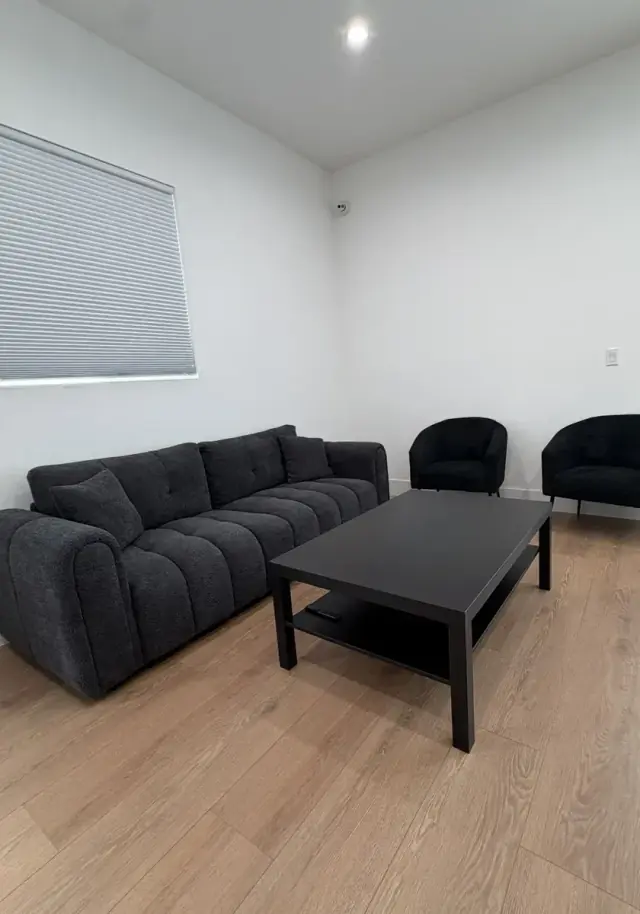
Medical Detox
Medically supervised withdrawal in the residence, leading straight into residential treatment.
-
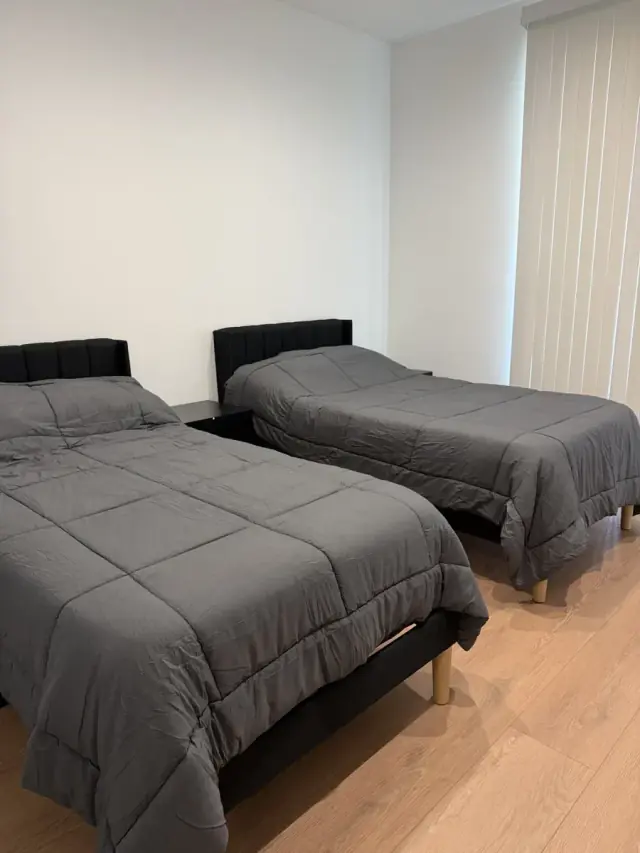
Residential Treatment
Living at Lumora for the length of the program, rather than going home each night.
-
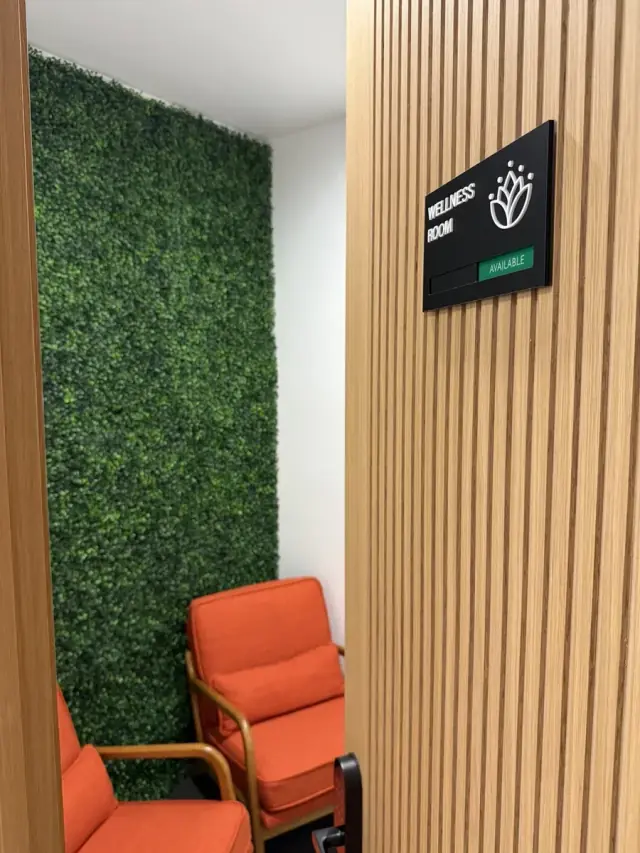
Dual Diagnosis Care
Mental health conditions that occur with substance use, treated together with it.
-

Eating Disorder Support
Coordinated planning for eating disorders alongside substance use, including referral when that is safer.
-

Aftercare Planning
A plan for life after Lumora, pointing to PHP, IOP, outpatient care, sober living or therapy near home.
-
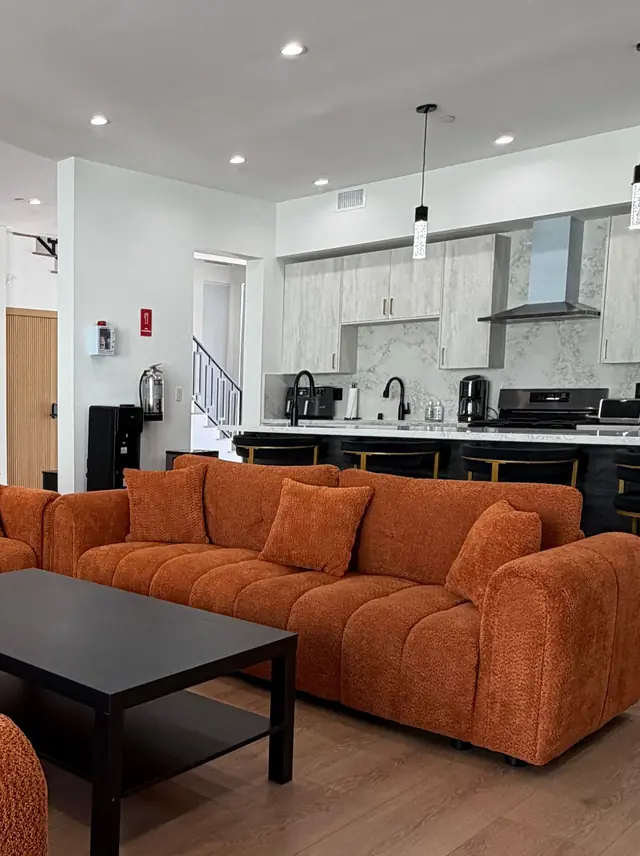
Tour the Residence
Bedrooms, lounges, the wellness room and the garden, photographed as they are.
Sources
- SAMHSA, TIP 33: Treatment for Stimulant Use Disorders (updated 2021)
- SAMHSA, Evidence-Based Resource Guide Series: Treatment of Stimulant Use Disorders (2020)
- National Institute on Drug Abuse, Methamphetamine
- National Institute on Drug Abuse, Principles of Drug Addiction Treatment
- National Institute on Drug Abuse, Reduced drug use is a meaningful treatment outcome for people with stimulant use disorders (January 2024)
- SAMHSA, Key Substance Use and Mental Health Indicators: Results from the 2025 National Survey on Drug Use and Health (July 2026)
- MedlinePlus, Methamphetamine overdose
- MedlinePlus, Substance use: amphetamines
- CDC, Fentanyl
- California DHCS, Incidental Medical Services
- California DHCS, SUD Recovery Treatment Facilities (state facility record)
- 988 Suicide and Crisis Lifeline
This page is for information and is not a substitute for medical, legal or insurance advice. Sources checked October 10, 2026.
Admissions, 24 hours a day
Meth rehab in Los Angeles, starting with an unhurried conversation.
Call at any hour. Describe the meth use, any history of psychosis, and what else is being used. We will explain whether residential care at Lumora fits, and where to start if it does not.