
Benzodiazepine rehab · Tarzana, CA
Benzo rehab in Los Angeles, with a plan for what the pills were treating.
Benzo rehab in Los Angeles is treatment for addiction to Xanax, Klonopin, Valium or Ativan that continues after the medical phase begins. No medicine is approved for benzodiazepine addiction, so federal guidance describes care as resting on a gradual, medically supervised reduction, counseling such as cognitive behavioral therapy, and a plan for the anxiety or sleep problem underneath.
How is benzodiazepine addiction treated after the medical phase begins?
Federal guidance describes benzodiazepine addiction treatment as counseling plus a gradual, medically supervised reduction of the drug, matched to the medicine and to the person. NIDA, the federal institute that studies drug use, says treatment can combine detoxification, counseling and medication where one exists, and that some people need more than one course before it holds.
The first part is medical. People dependent on a benzodiazepine should not try to stop on their own, NIDA warns, because withdrawal can be severe and, for some, life threatening. That stage has its own page: supervised benzo withdrawal and the FDA warning behind it, with a separate page on alprazolam withdrawal and pills sold as Xanax. At Lumora, detox leads into residential treatment in the same house in Tarzana, without a transfer.
Last updated
What treatment involves
What does residential treatment for benzodiazepine addiction involve?
In federal descriptions of treatment, four strands appear: a medically supervised reduction, counseling, attention to any other substance, and a plan for continuing care. NIDA and the FDA are the sources for each. In a residential program, the person does that work while living away from home for a period.
A reduction that is medically supervised (NIDA)
NIDA says the dose should come down gradually under medical supervision. The FDA adds that no single schedule fits everyone and that each plan needs ongoing monitoring and support.
Counseling
NIDA notes that counseling, in an inpatient or outpatient setting, can help, and that CBT has been used successfully to help people adjust to life without benzodiazepines.
Every substance involved
Benzodiazepine misuse often comes with alcohol or opioid use. When it does, NIDA says treatment should address each addiction, not only the sedative.
Care that continues
NIDA’s principles describe most people as needing at least three months of treatment in total, with intensity stepping down as needs change.
Why might a residential setting be considered?
No federal source we rely on says benzodiazepine addiction must be treated in a residential program. NIDA describes counseling as possible in either setting. The assessment weighs questions such as how closely withdrawal needs watching, whether other substances are involved and how steady home is, and settles the level of care with the person. The trade-offs between living in and living at home are set out in how residential and outpatient care compare for families, and Lumora’s residential program in Tarzana is described on its own page.
Medicines
Is there a medicine for benzodiazepine addiction?
No medicine is approved to treat benzodiazepine addiction. NIDA states that the FDA has approved no medication for addiction to central nervous system depressants, the family of tranquilizers, sedatives and sleep drugs to which benzodiazepines belong.
NIDA’s page on benzodiazepines repeats the point for what clinicians call sedative, hypnotic or anxiolytic use disorder. NIDA notes that the one benzodiazepine-specific medicine is for overdose, not addiction. Research on treating this addiction is sparse, NIDA adds, and treatment leans heavily on a careful reduction and on counseling.
What should a family make of “medication-assisted” benzo programs?
Medication-assisted treatment is an established approach for opioid addiction, where approved medicines exist. For benzodiazepines, the phrase can blur two different things: medicines a clinician may use to manage withdrawal, which are individual medical decisions, and a medicine for the addiction itself, which does not exist. A program should be able to say which one it means.
How does that compare with opioid and stimulant addiction?
NIDA lists three medicines for prescription opioid addiction: buprenorphine, methadone and naltrexone. Benzodiazepine addiction sits with prescription stimulant addiction in having none, so behavioral treatment carries the weight. Withdrawal from each prescription class, sedatives, opioids and stimulants, is compared on the prescription drug detox page.
The original reason
What happens to the anxiety or insomnia the benzodiazepine was treating?
The anxiety or insomnia still needs treatment of its own, because removing the drug does not remove the reason it was prescribed. A June 2025 letter from HHS and SAMHSA says benzodiazepines are most often prescribed for insomnia and anxiety disorders, and lists treatments that do not rely on them.
| Original reason | What federal agencies describe | Who decides |
|---|---|---|
| Long-term insomnia | CBT for insomnia (CBT-I): a six to eight week plan that NHLBI calls the usual first treatment for long-term insomnia. HHS also names education on sleep habits. | The person, with a doctor, nurse or therapist who delivers CBT-I |
| Generalized anxiety | Cognitive behavioral therapy, which NIMH calls the gold-standard talk therapy; acceptance and commitment therapy as an alternative. HHS adds some medicines that are not benzodiazepines. | The person, with their provider |
| Panic disorder | Also on the FDA’s list of approved benzodiazepine uses. Any change to the plan for panic belongs with the clinician who manages it. | The prescriber, with the person |
| Seizures | Clonazepam and diazepam are among the benzodiazepines MedlinePlus lists for some seizure conditions. MedlinePlus advises against stopping either one without the doctor. | The prescriber |
General information from HHS, SAMHSA, NHLBI, NIMH, the FDA and MedlinePlus, not a treatment plan. No medicine names or doses are given on purpose. Ask any program, Lumora included, which of these it provides, arranges or leaves to an outside clinician.
What does CBT for insomnia involve?
NHLBI describes five parts, used together over the six to eight weeks:
- Cognitive therapy for worry about sleep.
- Relaxation or meditation training.
- Sleep education.
- Sleep restriction.
- Stimulus control.
The same institute notes that benzodiazepines can be habit forming and are meant for only a few weeks of use, which is part of why it treats CBT-I as the starting point for long-term sleep problems.
Who sorts out returning anxiety after the medical phase?
A clinician, over time, working with the prescriber; it is not a call to make at home. The FDA reports that some people have withdrawal symptoms lasting many months, so worry or poor sleep weeks later may be withdrawal, the original condition, or both. NIMH adds that some people taking benzodiazepines for anxiety develop tolerance and need higher doses, which is why providers may prescribe them only for short periods. The withdrawal side of the question is answered on our page about whether anxiety during Xanax withdrawal is the old anxiety coming back. Ask any program who owns this question once the medical phase is over.
Continue, taper or treat?
Does everyone on a long-term benzodiazepine prescription need rehab?
No. HHS guidance published in June 2025 frames continuing or tapering a long-term benzodiazepine as a shared decision between the person and the prescriber, and warns that its own tapering advice should not leave people feeling pushed off a medicine they have compelling reasons to keep. It asks that four things be weighed together.
Risks of tapering
Withdrawal, and the anxiety or insomnia coming back.
Risks of continuing
Falls, car crashes, problems with memory and thinking, and overdose when combined with other substances.
Alternatives
Behavioral treatments for sleep and anxiety, and other medicines a prescriber may consider.
The person’s goals
What they want from treatment, and what they are willing to try.
For older adults, the same guidance asks prescribers to reassess the risks and benefits at least every three months.
When does addiction treatment become the right question?
When the pattern is no longer about the prescription. The FDA label for alprazolam describes addiction as a loss of control over use that carries on despite harm. Signs that point toward treatment rather than a conversation with the prescriber include taking more or more often than prescribed, taking pills prescribed to someone else, use that continues despite harm, or use with alcohol or opioids (FDA label; NIDA). Someone stable on a prescription taken exactly as directed needs a prescriber’s review, not necessarily a rehab bed. How the label separates dependence from addiction is explained under dependence, misuse and addiction as the FDA defines them.
The prescriber
How should the prescribing doctor be involved?
The prescriber should know, and the FDA gives them a defined role. Its 2020 safety communication asks prescribers to watch for misuse and addiction and, if a use disorder is suspected, to evaluate the patient and either start treatment or refer for it.
The FDA also asks that any reduction be planned for the individual, with ongoing monitoring and support, so that it avoids serious withdrawal or a worsening of the condition being treated. NIDA notes that prescribers weigh real benefit against risk, because some patients do need sedatives, and that asking about every drug a person uses is one of the main ways clinicians spot misuse.
What should the prescriber be told?
- The name and strength of every benzodiazepine, and how much is actually being taken compared with the label.
- Any other prescriber writing sedatives, sleep medicines or pain medicines.
- Alcohol, opioids or other drugs, including occasional use.
- Over-the-counter medicines and supplements, which NIDA asks patients to report as well.
Two rules from those agencies apply to everyone in the meantime: do not stop or change a dose without discussing it with the doctor, and never share a prescription. If a treatment program and a prescriber are to speak, ask that it happen only with the patient’s written permission; it is one of the questions further down this page.
Other substances
What if opioids or alcohol are involved too?
Then each addiction needs treatment. NIDA says misuse of sedatives often occurs alongside alcohol or opioid use, and that treatment should address every addiction involved. The FDA found benzodiazepines are often misused together with alcohol, prescription opioids and illicit drugs.
Can methadone or buprenorphine continue alongside benzodiazepine treatment?
Federal regulators said yes. On September 20, 2017, the FDA advised that buprenorphine and methadone should not be withheld from patients taking benzodiazepines or other central nervous system depressants. Using them together raises the risk of serious side effects, but untreated opioid addiction can do more harm, and careful medication management by clinicians can reduce the combined risk. The FDA’s 2020 communication on benzodiazepines repeats the call for precautions when the two are used together. Families can find the three opioid medicines and California’s rules for licensed programs in what residential treatment for opioid addiction looks like in California. Withdrawal from pain pills is described in the prescription opioid withdrawal page, and pills bought on the street can hide fentanyl, which is why treatment when counterfeit pills carried fentanyl has its own page.
What if alcohol is part of the picture?
The FDA advises people taking benzodiazepines to avoid alcohol, and NIDA warns that combining the two increases the harmful effects. Drinking also has a withdrawal and a treatment path of its own: alcohol withdrawal and why it needs monitoring comes first, then treating alcohol use disorder in a residential program. A plan that tackles the pills while ignoring the drinking leaves half the problem in place.
Drug by drug
Xanax rehab in Los Angeles: does the specific benzodiazepine change the plan?
The treatment approach is the same across the class; what changes is the condition the drug was prescribed for. NIDA’s guidance on addiction to central nervous system depressants applies to all of them, so Xanax rehab, Klonopin addiction treatment and Ativan addiction treatment share the same core.
| Medicine | MedlinePlus lists it for | What the plan has to account for |
|---|---|---|
| Alprazolam (Xanax) | Anxiety and panic disorder | The anxiety or panic underneath, and where the pills came from, since street “Xanax” may not be alprazolam |
| Clonazepam (Klonopin) | Some seizure conditions and panic attacks | Whether it controls seizures, in which case the prescriber leads every change |
| Diazepam (Valium) | Anxiety, muscle spasm, some seizures, and agitation during alcohol withdrawal | Which of those it was prescribed for, and whether drinking is part of the history |
| Lorazepam (Ativan) | Anxiety and insomnia | A plan for sleep and anxiety, such as the behavioral treatments described above |
Uses as listed on each MedlinePlus drug page. Half-lives and the differences between Xanax forms are on our detox pages, not repeated here.
Where the pills came from matters as much as their name. Tablets bought outside a pharmacy may contain something other than the benzodiazepine on the stamp, which changes what the body may depend on; our page on fake Xanax and the XR form covers that risk. The assessment asks about every sedative in use, sleep medicines included, because each one changes the plan.
Older adults
Why do older adults need extra care with benzodiazepines?
Older adults face greater harm from benzodiazepines, and a large number take them. HHS reports that about 5.7 million Americans aged 65 or older, roughly 10% of that age group, used a benzodiazepine in 2023.
The 2025 HHS letter lists the risks that rise with age: falls and hip fractures, motor vehicle crashes, delirium, memory and thinking problems, and interactions with other medicines. It estimates that 25 to 30% of older Americans take a benzodiazepine for longer than recommended.
How should a change be handled for an older parent?
Slowly and together with the prescriber. HHS warns that stopping suddenly after regular use can cause withdrawal and that tapering should be done with a provider, and the FDA notes that dependence can develop within days to weeks of steady use, even as prescribed, so stopping or reducing should always be planned with the prescriber. A sudden stop can bring flu-like symptoms, stomach upset, sleep problems, tingling, tremor and, in severe cases, seizures. The decision to taper should be shared, weighing the same four factors set out above. For an older adult who is also drinking, misusing the medicine or losing control of it, treatment for addiction may be part of the answer; for one who is simply on it too long, a prescriber’s review may be enough.
How common
How common is benzodiazepine or sedative use disorder?
About 1.7 million people aged 12 or older in the United States had a prescription tranquilizer or sedative use disorder in 2025, according to SAMHSA’s National Survey on Drug Use and Health. The survey counts alprazolam, lorazepam, clonazepam and diazepam among those tranquilizers.
NIDA’s earlier summary, using 2021 survey data, put the number of people who misused benzodiazepines that year at about 3.9 million, or 1.4% of people aged 12 or older; NIDA notes that the pandemic affected data collection in 2021. Misuse is broader than a use disorder, so the two figures measure different things.
Afterward
What happens after residential treatment for benzodiazepine addiction ends?
Treatment continues at a lower intensity, because residential care is one stage rather than the whole course. NIDA’s principles say plans should be reviewed and adjusted over time, and that a continuing care approach, with intensity changing as needs change, works for many people.
Can withdrawal symptoms outlast the stay?
For some people, yes. The FDA reports that some patients had benzodiazepine withdrawal symptoms lasting many months. A discharge plan should say who the person calls if sleep, mood or anxiety worsens weeks later, and who now manages any remaining prescription.
What does continuing care usually include?
Outpatient counseling, a clinician for the sleep or anxiety problem, the prescriber, and support at home. NIDA notes that a return to use signals a need to restart or adjust treatment, not a reason to give up on it. How Lumora builds that plan with each person is described in planning the months after a residential stay.
Before you choose
What should you ask any benzo rehab before choosing it?
Seven questions drawn from FDA, NIDA and HHS guidance. They are worth asking every program, Lumora included; where the answer depends on the person, a good program will say so.
- How is the reduction managed, and who decides whether it starts with you or in a hospital?NIDA calls for a gradual, medically supervised reduction. The setting should be a clinical decision made at assessment.
- With written permission, will you speak with the doctor who prescribed the benzodiazepine?The FDA gives prescribers a role in evaluating and referring, and asks patients to keep every clinician informed.
- What is the plan for the sleep or anxiety problem the medicine was treating?HHS lists CBT for insomnia and CBT for anxiety among the alternatives to benzodiazepines.
- If opioids are also involved, can methadone or buprenorphine continue during the stay?The FDA advised in 2017 that these medicines should not be withheld from people taking benzodiazepines.
- Will you tell us clearly that no medicine is approved for benzodiazepine addiction?NIDA states that none exists. A program that implies otherwise should explain what it means.
- Who do we call if withdrawal symptoms linger after discharge?The FDA reports symptoms lasting many months in some patients, and NIDA recommends continuing care.
- Which California license does the program hold, and does the state record match it?Lumora: DHCS License No. 191642AP, a residential program with detoxification, in the state’s public facility data.
At Lumora
Benzo rehab in Los Angeles: what does Lumora’s state license cover?
Lumora holds a California license as a residential program with detoxification for six residents, which covers residential treatment and the medical phase of withdrawal at the same address on Wilbur Avenue in Tarzana. Detox leads into residential treatment in the same house, without a transfer.
The license is DHCS License No. 191642AP, listed in the Department of Health Care Services facility data with approval for incidental medical services. That approval lets a licensed residential program offer limited medical services tied to detox and treatment, provided by or under a licensed health care practitioner, such as health monitoring and oversight of medicines residents take themselves; it does not cover care that has to happen in a licensed health facility. See the entry in California’s facility record, and use the same state data to check any program you are considering. Lumora’s ownership and license are described on the About page, with the state license details, and a photo tour of the house shows the rooms.
Can withdrawal begin at Lumora?
The assessment decides. It looks at which benzodiazepine, how much and for how long, any past withdrawal seizure, and what else is being used, and if the answers point to a hospital, the hospital comes first. When a mental health condition runs alongside the pills, the same assessment decides whether both can be treated together at Lumora or need another setting first; how Lumora approaches dual diagnosis explains more. When the pills belong to a wider pattern of prescription misuse, our page on treatment for prescription opioid, sedative and stimulant addiction takes the class view.
We work with many PPO plans, and checking benefits by phone before a stay takes one confidential call. Federal rules require Marketplace plans to cover substance use disorder treatment as an essential health benefit, and how benefits for a residential stay are judged explains authorization and parity in more detail. What else shapes the bill is set out in the costs behind a residential stay.
Safety first
Slow breathing or a seizure after benzodiazepines: call 911.
Call 911 if someone who takes a benzodiazepine cannot be woken, is breathing slowly, has a seizure or becomes severely confused, especially when opioids or alcohol may also be involved. If you or the person you are worried about is in crisis or thinking about suicide, call or text 988 to reach the Suicide and Crisis Lifeline at any hour.
While you wait for a plan, do not stop or cut back the medicine on your own; the FDA warns that a sudden stop can cause serious, even life-threatening, withdrawal.
FAQ
Questions families ask
Is there a medication that treats benzodiazepine addiction?
No. NIDA states that the FDA has not approved any medication for addiction to central nervous system depressants, the group that includes benzodiazepines. Federal guidance instead describes a gradual, medically supervised reduction combined with counseling. How the same gap applies across prescription sedatives and stimulants is shown in the class-by-class treatment table for prescription drugs.
If someone stops benzodiazepines, how is their anxiety treated?
NIMH describes cognitive behavioral therapy as the gold-standard talk therapy for generalized anxiety, with acceptance and commitment therapy as an alternative. HHS also mentions some medicines that are not benzodiazepines. Which route fits is decided with the prescriber, and NIMH notes that finding the right treatment can take time.
Is there a treatment for insomnia that does not rely on sleeping pills?
Yes. The NIH’s heart, lung and blood institute describes CBT for insomnia, a structured plan of six to eight weeks, as the usual first treatment for long-term insomnia. It can be delivered in person, by phone or online, by a doctor, nurse or therapist.
Does everyone who takes a benzodiazepine for years have to stop?
Not necessarily. HHS guidance from June 2025 treats it as a shared decision that weighs the risks of tapering against the risks of continuing, along with alternatives and the person’s goals, and warns against pressuring people to taper when there are compelling reasons to continue. Addiction is a different situation from long, stable use.
Should the prescribing doctor know about benzodiazepine rehab?
Yes. The FDA asks patients to tell every health care professional about all medicines and substances they take, alcohol included, and asks prescribers who suspect a use disorder to evaluate the patient and start or refer treatment. Any contact between a program and the prescriber should happen only with the patient’s written permission. What to have ready before calling any program is listed in preparing for the first admissions call.
Does taking benzodiazepines rule out methadone or buprenorphine?
No. On September 20, 2017, the FDA advised that methadone and buprenorphine should not be withheld from people also taking benzodiazepines, because untreated opioid addiction can do more harm than the combined risk, which careful medication management can reduce. How the three opioid medicines and California law fit into a residential stay is set out in our guide to residential care for opioid use disorder.
Are older adults at greater risk from benzodiazepines?
Yes. HHS lists falls and hip fractures, car crashes, delirium, memory and thinking problems, and drug interactions. About 5.7 million Americans aged 65 or older used a benzodiazepine in 2023, and an estimated 25 to 30% of older Americans take one for longer than recommended.
Is cognitive behavioral therapy used for benzodiazepine addiction?
NIDA reports that CBT has been used successfully to help people adjust to stopping benzodiazepines. It is a talk therapy that works on the thoughts and habits around the drug, and it is one reason counseling sits alongside the medical side of treatment.
Does Klonopin addiction need a different kind of rehab from Xanax addiction?
The core is the same: NIDA’s guidance covers the whole class, with a supervised reduction and counseling. What differs is the condition behind the prescription. MedlinePlus lists clonazepam for some seizure conditions and panic attacks, and where it controls seizures, the prescriber needs to lead every change. Withdrawal from the whole class, Klonopin included, is covered under why no benzodiazepine should be stopped suddenly.
Where does benzo detox end and benzo rehab begin?
Detox is the supervised medical start, when the body is adjusting to less of the drug. Rehab is everything that addresses the addiction itself: counseling, a plan for the anxiety or sleep problem, other substances, and life after discharge. Federal guidance says detox alone is not enough. Every substance-specific withdrawal page is listed on the medical detox overview.
Other ways we help
Care at Lumora
-
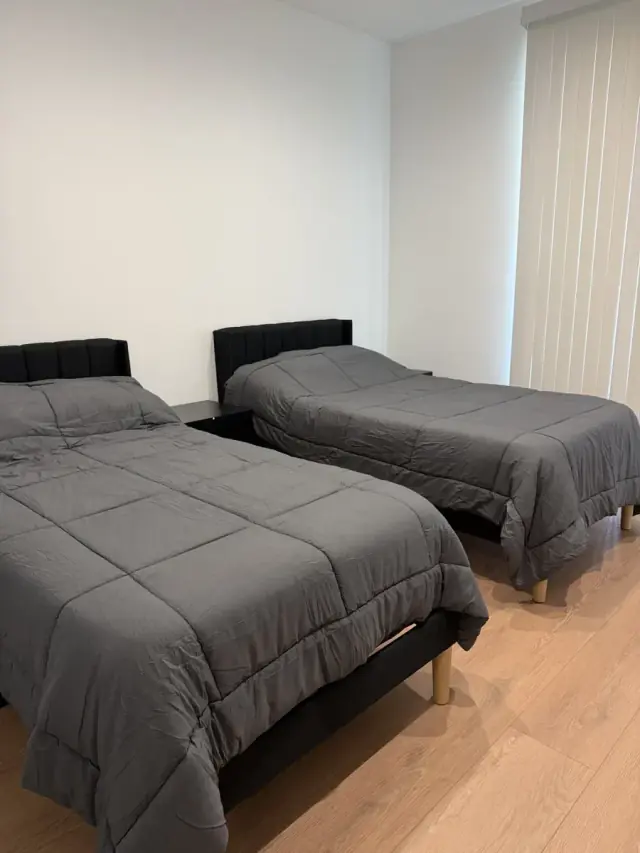
Medical Detox
Medically supervised withdrawal in the residence, leading straight into residential treatment.
-
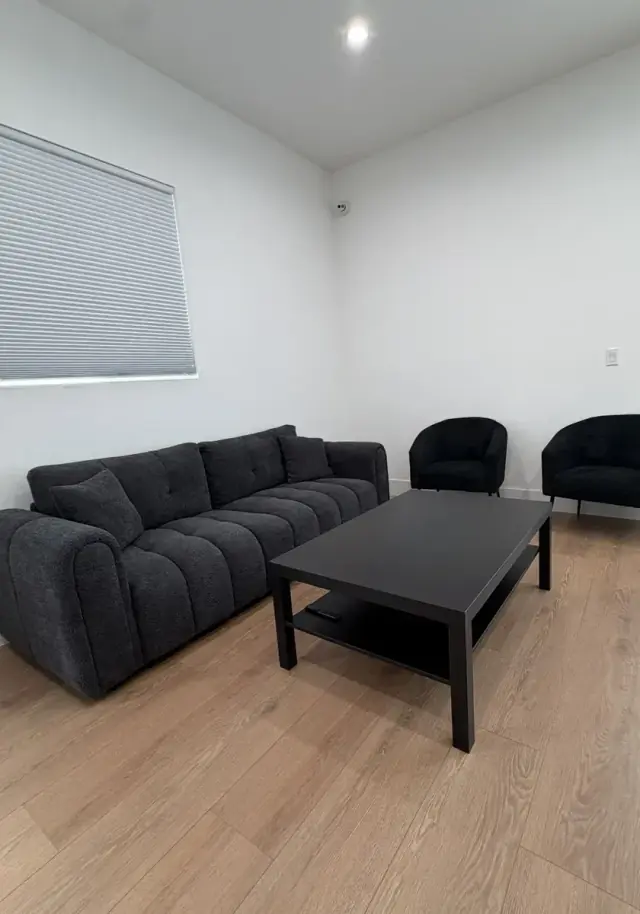
Residential Treatment
Living at Lumora for the length of the program, rather than going home each night.
-
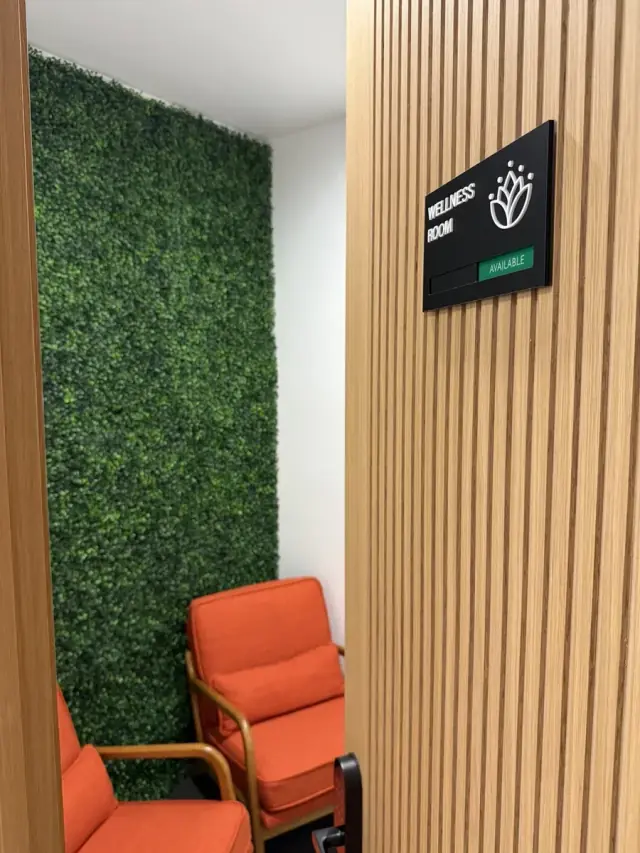
Dual Diagnosis Care
Mental health conditions that occur with substance use, treated together with it.
-

Eating Disorder Support
Coordinated planning for eating disorders alongside substance use, including referral when that is safer.
-

Aftercare Planning
A plan for life after Lumora, pointing to PHP, IOP, outpatient care, sober living or therapy near home.
-
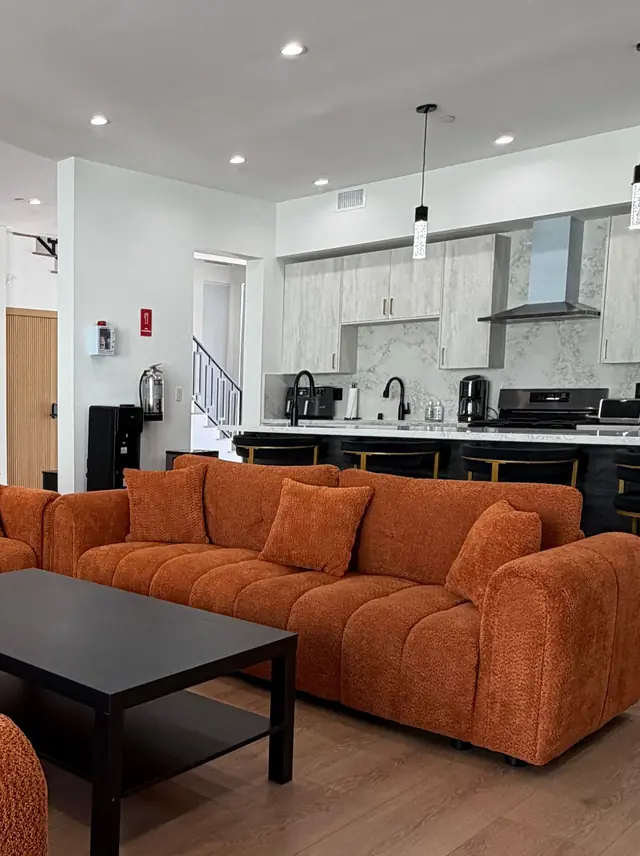
Tour the Residence
Bedrooms, lounges, the wellness room and the garden, photographed as they are.
Sources
- National Institute on Drug Abuse, How can prescription drug addiction be treated?
- National Institute on Drug Abuse, How can prescription drug misuse be prevented?
- National Institute on Drug Abuse, What is the scope of prescription drug misuse in the United States?
- National Institute on Drug Abuse, Drugs A to Z: benzodiazepines
- National Institute on Drug Abuse, Principles of Drug Addiction Treatment, 3rd edition
- FDA, Boxed warning updated to improve safe use of benzodiazepine drug class (2020)
- FDA, Timeline of selected FDA activities and significant events addressing substance use and overdose prevention
- FDA, Xanax (alprazolam) prescribing information (2023)
- HHS and SAMHSA, Dear Colleague letter: benzodiazepine use in older adults (June 5, 2025)
- SAMHSA, Key Substance Use and Mental Health Indicators: Results from the 2025 National Survey on Drug Use and Health (July 2026)
- SAMHSA, Detoxification and Substance Abuse Treatment (TIP 45 quick guide)
- National Heart, Lung, and Blood Institute (NIH), Insomnia: treatment
- National Institute of Mental Health (NIH), Generalized anxiety disorder: when worry gets out of control
- MedlinePlus, Alprazolam
- MedlinePlus, Clonazepam
- MedlinePlus, Diazepam
- MedlinePlus, Lorazepam
- HealthCare.gov, Mental health and substance abuse coverage
- California DHCS, Incidental Medical Services
- California DHCS, Licensing and certification: facility licensing
- California DHCS, SUD Recovery Treatment Facilities (state facility record)
- 988 Suicide and Crisis Lifeline
This page is for information and is not a substitute for medical, legal or insurance advice. Sources checked October 10, 2026.
Admissions, 24 hours a day
Benzo rehab in Los Angeles, without hurrying anyone off a medicine.
Call admissions at any hour. Tell us which benzodiazepine, how long and what else is in the picture, and we will talk through whether residential treatment at Lumora suits the situation or something else would serve it better.